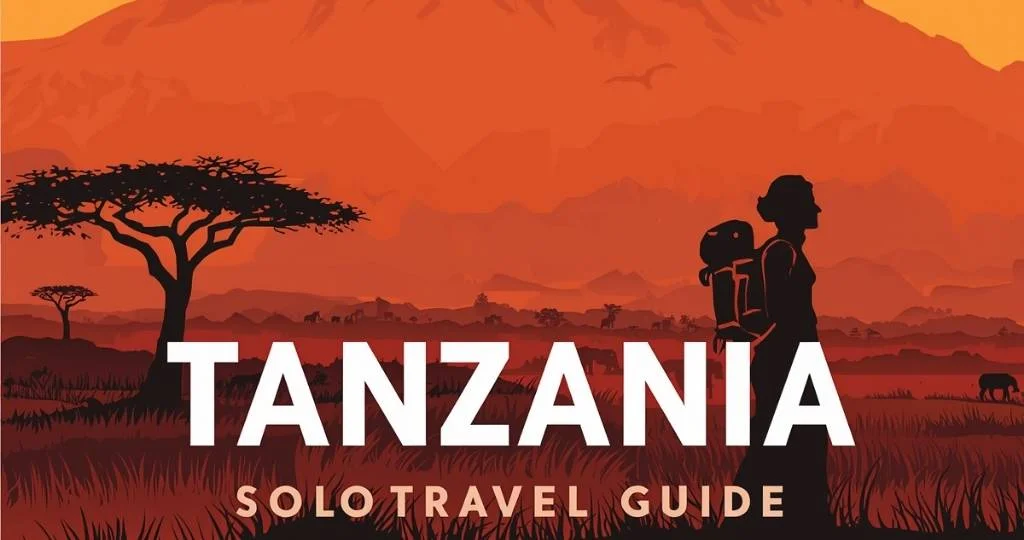
Tanzania Solo Travel Guide: The ElitTrip Honest Guide for Travelers Going Alone in 2026
There is an image that defines Tanzania for most travelers before they arrive — a giraffe standing in open savanna with Mount Kilimanjaro rising behind it, the mountain’s glacial summit floating above the cloud line, the animal and the landscape locked in a silence that feels ancient and deliberate.
What no photograph communicates is what it feels like to be the only person watching that scene. Alone in a vehicle with your guide at 6am, the savanna still cool, the light arriving from the east in long horizontal shafts that turn the grass gold and the mountain pink. That feeling — that specific, irreplaceable, solo travel feeling — is what Tanzania is actually about.
This guide is for the traveler who is ready to go find it.
Table of Contents
Why Tanzania in 2026 Is the Solo Safari Destination You’ve Been Waiting For
Tanzania is considered travel-friendly and is one of the safest nations on the continent — with nearly 1.5 million visitors in 2022 (an increase of 64% from 2021), Tanzania is one of Africa’s most popular safari destinations and is known as a safe country for safari lovers from all over the world to visit.
That growth trajectory has continued through 2025 and into 2026, driven by something specific: travelers who want more than a safari checklist. They want the Serengeti at dawn before the other vehicles arrive. They want to stand on the rim of the Ngorongoro Crater at sunset with nothing scheduled after. They want the Indian Ocean from a Zanzibar dhow in the late afternoon, and they want it alone, with no one to negotiate the pace with.
Tanzania’s Northern Circuit — Arusha, Tarangire, Lake Manyara, Serengeti, Ngorongoro — remains stable and fully operational for tourism in 2026. Transport services including domestic flights, road transfers, and ferries operate unaffected, allowing travelers to safely discover the country’s diverse wildlife and landscapes.
Tanzania is one of Africa’s most visitor-friendly safari destinations. Most travelers stick to national parks and reserves and the Zanzibar beach areas — these are well-policed, professionally run, and accustomed to international visitors. The Northern Circuit is especially streamlined for solo travelers.
The window where Tanzania feels genuinely undiscovered at the human level — where your guide knows your name, where the camp has six tents instead of sixty rooms, where the wildebeest crossing feels like something that happens to you rather than something you observe — is still open in 2026. The question is whether you are the kind of traveler who goes now or the kind who goes later and finds it changed. Everything in this guide is built for the one who goes now.
The Honest Safety Picture for Solo Travelers in Tanzania in 2026
Tanzania is generally safe for tourists — especially when visiting popular destinations like the Serengeti, Ngorongoro Crater, Zanzibar, Mount Kilimanjaro, Arusha, and Dar es Salaam. Millions of tourists visit Tanzania every year without experiencing serious safety issues.
The correct framework is this: Tanzania is huge. Asking if the whole country is safe is like asking if the United States is safe — it depends entirely on where you are and what you are doing. On safari you are in a controlled environment, often in remote parks like the Serengeti. Crime here is virtually non-existent. Your safety concerns are nature-based — animals, insects, sun exposure — rather than crime.
The important honest caveat that most guides minimize: the U.S. State Department issued a Level 3 — Reconsider Travel advisory for Tanzania following post-election protests in late October 2025, citing crime, unrest, and terrorism concerns. The critical context: even during the late-2025 city protests, safari operations continued without disruption in all core wildlife areas. Safety is itinerary-specific rather than country-wide. If you plan with professional operators and follow routine travel awareness, Tanzania is a superb and safe choice for safari and beach travel.
The practical geography of this: in urban hubs like Dar es Salaam or Arusha, you are in a developing city with wealth disparity. Here, flashing a smartphone or walking in unlit areas makes you a target for opportunistic theft. In the Serengeti, Ngorongoro Crater, Tarangire, and Zanzibar — the destinations that constitute 95% of any solo Tanzania itinerary — this urban risk simply does not exist.
The biggest safety risk in Tanzania is not theft, scams, or dodgy transport. It is falling head over heels in love with the country and never wanting to leave. You will find yourself Googling how to open a coffee farm in the foothills of Kilimanjaro. But it is still important to ask the honest question — and the honest answer is that Tanzania is safe for solo travelers who go with good operators, stay in recommended areas, and exercise the same awareness they would apply in any major city.
What Solo Travel in Tanzania Actually Feels Like
Once you are out on safari, you will likely be in a 4×4 with a guide, spotting elephants instead of humans. It is the most relaxing place to be. Your biggest safety concern is remembering not to get out of the vehicle when there is a lion casually napping three meters away. Or forgetting sunscreen and turning the shade of a tomato. Other than that, pure magic.
Tanzania is full of beautiful, lesser-known places that rarely make it into guidebooks, and they have been some of the most memorable solo travel moments. In places like Mto wa Mbu — a small town with local vibes, banana beer, and zero tourist infrastructure — you can wander solo, be invited into homes, and feel completely at ease.
This is the arc of solo travel in Tanzania that consistent, experienced solo travelers describe. Not frictionless. Not demanding in the way that Morocco or Cairo demands. Demanding in a quieter, more internal way — the way that sitting alone in the presence of the most extraordinary wildlife on earth demands something of you. An attention. A stillness. A willingness to be present without performing the experience for anyone else.
Solo travel in Tanzania does not mean doing everything alone. Some of the most reassuring and heartwarming parts of traveling here come from the people who show up for you — often when you did not know you needed them. FTLO Travel The guide who has been driving these roads for twenty years. The camp manager who remembers your name from the booking. The Maasai elder who invites you for tea without commercial intent. These interactions are the texture of Tanzania for the solo traveler who moves slowly enough to notice them.
The Best Places to Visit in Tanzania: A Solo Traveler’s Destination Guide
🇹🇿 The Serengeti — Where Solo Travel Becomes Something Else Entirely
There is nothing like the Serengeti during the phenomenon of the Great Migration Tanzania. The days of heavy canvas hunting camps set for the likes of Roosevelt and Hemingway were nearly over until photo Tanzania safaris gained popularity in the 1970s. A mobile camp in the Serengeti is redolent with that vintage atmosphere — candlelight dinners and nothing between you and the night sounds of the bush but the walls of your tent.
The Serengeti covers 14,763 square kilometers of open savanna, riverine forest, and kopje (rocky outcrop) landscape that supports wildlife densities no other ecosystem matches. It is also a dynamic, seasonal landscape where the correct position determines the quality of everything you see — which is why the guide you choose and the camp location you select matter more here than almost anywhere else in Africa.

World-class wildlife density in the Serengeti includes the Great Migration Tanzania, Big Five sightings, and genuinely warm hospitality with strong safari infrastructure.
The Great Wildebeest Migration is the largest terrestrial wildlife movement on earth — approximately two million wildebeest, zebra, and gazelle moving in a continuous clockwise circuit through the Serengeti-Mara ecosystem, following the rains and the grass they produce. Understanding the seasonal pattern before you book changes everything about the quality of your experience.
December to March, the herds concentrate in the Southern Serengeti and Ndutu area for the calving season — 500,000 wildebeest calves born within a three-week window, with lions, cheetahs, and hyenas hunting at the edges of the herds in patterns of predator-prey drama that have no equal anywhere on earth. April to June, the herds move north through the Central Serengeti’s Seronera area — the richest wildlife zone in the park year-round, with permanent water drawing leopards to the riverine trees, lion prides patrolling the plains, and cheetahs hunting in the open grasslands at speeds that leave you genuinely breathless. July to October, the herds reach the Northern Serengeti and cross the Mara River into Kenya’s Maasai Mara in crossings of terrifying, magnificent drama — the crocodiles, the surging animals, the sound of tens of thousands of hooves on water.
A hot air balloon ride over the Serengeti offers solo travelers an elevated wildlife experience with breathtaking aerial views — the vast plains below, the herds moving like a living carpet, the rising sun turning the savanna gold. At approximately $540 per person, it is one of the finest single hours available in East Africa. For the solo traveler, the balloon ride is a private experience in the most fundamental sense — you are in the sky above the most alive landscape on earth, and whatever you feel up there belongs entirely to you.
Average daily budget: $150–400 USD (depending on camp category and season) Solo-Friendly Rating: 10/10
“I was alone in the vehicle with my guide at 5:45am on the bank of the Mara River. He had been positioning since before dawn. When the crossing began — the first animals entering the water, the crocodiles appearing from the shallows, the sound building from a distant rumble to something that filled the entire world — I had no one to turn to. No one to grab the arm of. The experience went directly into me, unmediated, and it has never entirely left.”
🇹🇿 Ngorongoro Crater — The Most Wildlife-Dense Place on Earth in the Most Dramatic Setting
One of the Seven Natural Wonders of Africa, Ngorongoro Crater is the largest unbroken caldera on Earth — the center of a huge ancient volcano that scientists believe may have been larger than Mount Kilimanjaro. Twelve miles across and 2,000 feet deep, the crater is home to some 30,000 animals that live year-round inside its walls, attracted to its perpetual water sources. Because of the crater’s permanent supply of fresh water, it sustains the densest concentration of wildlife in Africa.

The descent into the crater — 600 meters down a steep road from the rim, the landscape changing from highland forest to open caldera floor — is itself a physical transition that does something to your sense of scale. The crater floor is the size of a small country, and yet the walls surrounding it are always visible, enclosing this extraordinary ecosystem in a natural amphitheater that makes every game drive feel simultaneously vast and intimate.
Common sightings in the Ngorongoro Crater include elephant, buffalo, hippo, giraffe, zebra, blue wildebeest, eland, gazelle, and waterbuck, while lion and hyena are abundant predators. A glimpse of the rare black rhinoceros — the crater is one of the last places in Tanzania where black rhino are regularly seen — is a special prize that requires patience and a guide who knows the current rhino positions from the morning’s ranger reports.
The Ngorongoro Crater is somewhat reminiscent of The Lost World by Sir Arthur Conan Doyle. Here you will witness tens of thousands of wild animals living in the massive crater left by a huge ancient volcano — the most variety of animals per square meter than anywhere else in the world.
For the solo traveler, the Ngorongoro Conservation Area offers something the national parks cannot: the opportunity to visit Olduvai Gorge — the paleontological site where Louis and Mary Leakey discovered 1.8-million-year-old hominid fossils that fundamentally changed our understanding of human evolution. Standing at the edge of this gorge, looking down into the layers of volcanic ash and sediment that contain the physical evidence of our earliest ancestors, is one of the most perspective-altering experiences available to any traveler anywhere in Africa.
Average daily budget: $120–280 USD Solo-Friendly Rating: 9.5/10
🇹🇿 Tarangire National Park — The Underrated Gem of Tanzania’s Northern Circuit
Tarangire is the destination that solo travelers who have been to Tanzania before always name as the one they wish they had given more time on their first trip. Less famous than the Serengeti and the Ngorongoro Crater, less crowded at any time of year, and in certain specific ways more extraordinary — particularly between July and October when the dry season concentrates every animal in the region along the Tarangire River, creating wildlife densities that rival the Serengeti at its peak.
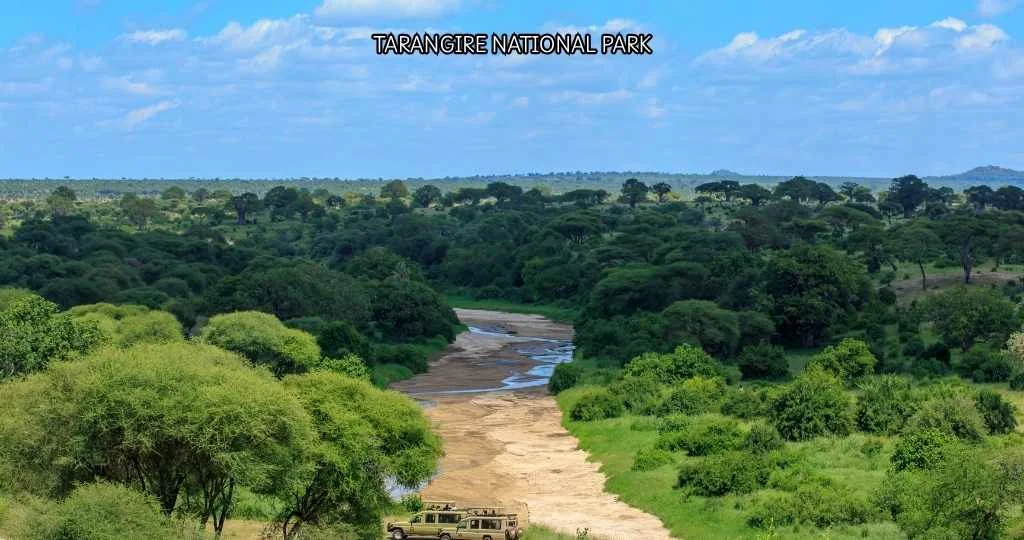
The park’s baobab trees — ancient, massive, some of them over a thousand years old — give Tarangire a visual identity unlike any other Tanzanian park. Driving through a landscape of giant baobabs at sunset, with elephant families moving between them in the golden light, is one of the most distinctively beautiful game drive experiences in East Africa. The elephant population in Tarangire is among the largest in Tanzania — multi-generational family groups whose matriarchs know the seasonal water locations with a precision built from decades of experience on the same landscape.
For the solo traveler combining Tarangire with the Serengeti and Ngorongoro on the Northern Circuit, it provides the opening chapter of a wildlife story that builds in intensity across the days: the elephants and baobabs of Tarangire, the flamingos and rhinos of Lake Manyara, the vast predator-prey dynamics of the Serengeti, the concentrated drama of the Ngorongoro Crater. No other two-week itinerary in Africa covers this ecological range in this sequence.
Average daily budget: $120–260 USD Solo-Friendly Rating: 9.5/10
🇹🇿 Mount Kilimanjaro — The Solo Challenge That Changes Everything
Mount Kilimanjaro National Park is home to Uhuru Peak at 5,895 meters — the world’s third highest freestanding mountain and Africa’s highest point. Three UNESCO World Heritage sites in Tanzania are the Serengeti National Park, the Ngorongoro Conservation Area, and Mount Kilimanjaro National Park.
Kilimanjaro is not a technical climb. It requires no ropes, no crampons, no previous mountaineering experience. What it requires is time — specifically, the extra acclimatization days that separate the 50% of climbers who reach Uhuru Peak from the 50% who turn around short of the summit. The risks on Kilimanjaro are physiological — altitude, cold, fatigue — not crime. Choose longer itineraries of seven days or more, insist on daily pulse-ox and AMS protocol monitoring, and use an operator aligned to KPAP standards for porter welfare and safety.
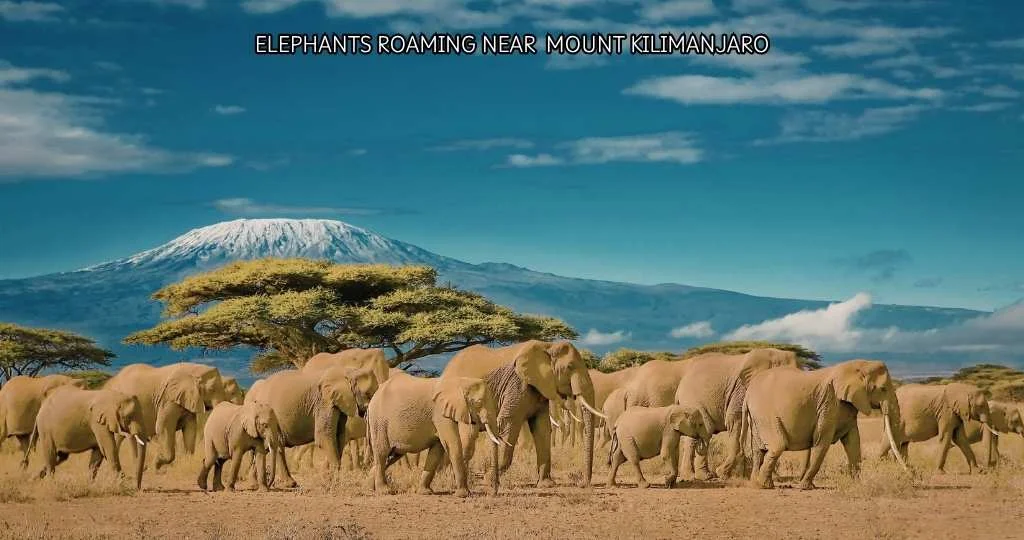
The **Machame Route** (seven days) and the Lemosho Route (eight to nine days) are the routes that experienced Kilimanjaro operators recommend for solo climbers — the additional acclimatization days built into these longer routes increase summit success rates dramatically. The Marangu Route (five to six days, known locally as the “Coca-Cola Route”) is the most popular but has the lowest summit success rate precisely because it is the shortest.
On the slopes of Kilimanjaro, you can share coffee with local farmers and wander through the colorful Moshi markets before joining Maasai guides on a traditional medicine walk through the highland forests. The mountain reveals different ecosystems as you ascend — from rainforest at 1,800 meters through moorland and heather to the alpine desert at 4,000 meters and the glacial summit zone above 5,000 meters. GooGle
For the solo traveler, Kilimanjaro’s guide requirement — all climbers must be accompanied by a licensed guide — removes the navigational challenge while preserving the individual achievement of the summit. You earn Uhuru Peak entirely through your own physical effort and mental determination. Your guide ensures you do it safely.
Average daily budget: $150–280 USD (all-inclusive climb costs approximately $1,500–$3,000 total) Solo-Friendly Rating: 9/10
“I reached Uhuru Peak alone in the dark at 6:23am. My guide beside me, but nobody else I knew within a thousand kilometers. The sign at the summit said 5,895 meters and I stood in front of it with the sunrise behind me and the clouds far below and I understood something about myself that I could not have learned anywhere else and in no other way.”
🇹🇿 Zanzibar — The Island That Closes the Trip Perfectly Tanzania beaches
Zanzibar is very safe for travelers from all over the world to visit. It is a tropical paradise popular among solo travelers and groups of women embarking on once-in-a-lifetime trips.
Stone Town during the day is safe and bustling. You will get lost in the winding alleys, which is part of the charm. The northern Tanzania beaches of Nungwi and Kendwa are generally very safe and patrolled.
Zanzibar closes a Tanzania safari solo trip in the way that Essaouira closes a Morocco trip, or Diani Beach closes a Kenya itinerary — as a coastal decompression that gives the rest of the journey room to settle and consolidate. After seven to ten days of early morning alarms, game drive dust, and the emotional intensity of sustained wildlife immersion, three days of Indian Ocean swimming, fresh seafood, and nothing required of you is not a luxury. It is what the trip needs.

Stone Town — a UNESCO World Heritage site and the island’s historic center — is a labyrinth of narrow alleys between Arabic, Persian, Indian, and European architecture reflecting Zanzibar’s position as the center of the Indian Ocean spice trade for centuries. The carved wooden doors of the merchant houses — each one different, each one a statement of its owner’s wealth and cultural origin — are among the most photographed architectural details in East Africa. Walking Stone Town alone with no agenda, following alleys by instinct, accepting a spice vendor’s offer of cardamom to smell and cinnamon to taste — this is solo travel at its most natural and most pleasurable.
Understanding local customs is an important part of a Zanzibar visit. Zanzibaris are warm, respectful, and peaceful. Tourists who respect the culture feel even more welcomed. Dress modestly in villages and Stone Town — beachwear is acceptable only on Tanzania beaches and at resorts. Greet locals with Jambo or Habari — it is appreciated and changes the character of every interaction immediately.
The spice farm tours in Zanzibar’s interior — where guides take you through working farms of cloves, nutmeg, black pepper, vanilla, and cinnamon explaining their cultivation, history, and culinary uses while pressing spices directly into your hand — are one of the most genuinely educational and enjoyable half-days available anywhere in East Africa. The Safari Blue sailing excursion — a full day on a traditional dhow through Zanzibar’s southern reefs and sandbanks — is the finest single day the island offers: snorkeling over coral gardens, grilled lobster on a sandbar, the Indian Ocean in every direction.
Average daily budget: $80–160 USD Solo-Friendly Rating: 9.5/10
🇹🇿 Ruaha and Selous: For the Solo Traveler Who Wants to Go Deeper
Tanzania’s Southern Circuit — centered on Ruaha National Park and the Nyerere (Selous) National Park — is where Tanzania solo travel diverges most dramatically from the mainstream. These two parks together protect more land than the entire Northern Circuit combined, and they receive perhaps 5% of its visitor numbers.

Ruaha contains Tanzania’s largest elephant population — over 12,000 animals — as well as a lion population that includes some of the largest prides on earth. Wild dogs, greater and lesser kudu, roan and sable antelope are all present in numbers unavailable in the north. The landscape — granite kopjes rising from rolling miombo woodland above the Great Ruaha River — is different from anything in the Serengeti ecosystem, and the experience of driving through it on tracks that have seen no other vehicle this week is the most fundamentally remote safari experience available in East Africa.
For the solo traveler on a second Tanzania trip who found the Northern Circuit extraordinary and wants to go deeper, the Southern Circuit is the answer. It requires more organizational effort — fewer flights, longer transfers, higher per-night costs reflecting the exclusive nature of the camps — and rewards that effort with an experience that most Tanzania visitors will never have.
Average daily budget: $200–450 USD Solo-Friendly Rating: 8.5/10
The ElitTrip Tanzania Solo Traveler Overview
| Destination | Best For | Avg Daily Budget | Solo-Friendly Rating |
|---|---|---|---|
| Serengeti | Great Migration, Big Five, safari magic | $150–400 | 10/10 |
| Ngorongoro Crater | Wildlife density, volcanic landscape | $120–280 | 9.5/10 |
| Tarangire | Elephants, baobabs, uncrowded | $120–260 | 9.5/10 |
| Mount Kilimanjaro | Summit challenge, personal achievement | $150–280 | 9/10 |
| Zanzibar | Coastal reset, culture, Indian Ocean | $80–160 | 9.5/10 |
| Ruaha / Selous | Remote, uncrowded, expert level | $200–450 | 8.5/10 |
Getting Around Tanzania Alone: What Actually Works – Tanzania Solo Travel Guide
Domestic flights are how you cover Tanzania’s vast distances efficiently. Intercity flights between Zanzibar, Arusha, and Dar es Salaam start from approximately $100 per person for morning departures, making fly-in safari access both practical and affordable relative to overland alternatives. Light aircraft connecting Northern Circuit airstrips — Serengeti’s multiple grass strips, Ngorongoro, Tarangire — allow you to move between parks in forty minutes rather than four hours.
Safari vehicles with your guide cover all movement within parks. Park infrastructure is excellent, guiding quality is high, and routes allow you to avoid crowds and maximize sightings through private concessions and remote park sections. Lodges and camps are built around guest safety, with trained staff, 24-hour radio communication, and controlled perimeters.
Road transfers, domestic flights, and ferries between mainland Tanzania and Zanzibar all operate normally and allow tourists to safely discover the country’s diverse attractions. The Dar esSalaam to Zanzibar ferry — a 90-minute crossing — is the standard connection for budget-conscious travelers. The short flight from Arusha to Zanzibar is the better option for the solo traveler who wants to maximize beach time at the end of the trip.
In Arusha, Tanzania’s Northern Circuit gateway: walking in the city center during daylight hours is safe, but avoid the area near the central bus station when carrying luggage — it is a hotspot for pickpockets. Do not book a safari on the street corner in Arusha. Scams are common. Book with a reputable operator before you arrive.
Practical Solo Travel Tips for Tanzania in 2026 – Tanzania Solo Travel Guide
When to go
The dry season — June to October — offers the best game viewing across all Northern Circuit parks, with the Great Migration Tanzania crossings in the Northern Serengeti peaking July to September. January to March is the calving season in the Southern Serengeti and Ndutu — extraordinary predator activity around newborn wildebeest in lush green savanna. April to May is the long rains — some lodges close, roads become difficult, prices drop significantly, and the Serengeti is green and quiet.
Visa
Most nationalities obtain a Tanzania visa on arrival or via e-visa application before departure. A Yellow Fever certificate is required if you are arriving from a country with Yellow Fever risk — including Kenya. Check the Tanzania travel advisory requirements before flying.
Health — the non-negotiable preparation
Tanzania is a malaria zone — it is not something to panic about but it is something to prepare for. Take prophylaxis such as Malarone, use DEET insect repellent in the evenings, and sleep under mosquito nets. Consult a travel medicine clinic six weeks before departure to confirm all vaccinations are current and to obtain malaria prophylaxis appropriate for your medical history.
Single-use plastic bags are banned in Tanzania including at airports — bring eco-friendly alternatives and pack organizers rather than plastic shopping bags. This is strictly enforced and violations result in confiscation and fines.
What to bring on safari
Neutral-colored clothing — khaki, olive, tan — for game drives. Layers for cold early mornings in the Serengeti (July temperatures at 5:30am can approach 10 degrees Celsius). A quality zoom lens if you have a camera — the wildlife encounters justify the weight. Binoculars for every game drive. Sunscreen with a high SPF factor — the equatorial sun at savanna altitude is significantly more intense than latitude alone suggests. Cash in US dollars for tips, market purchases, and any services outside your safari package.
For solo female travelers specifically
Many solo female travelers report positive experiences in Tanzania, especially when taking standard safety precautions. Respect for cultural norms — dressing modestly in rural and Muslim-majority regions — further ensures a comfortable visit. Book accommodation and transfers in advance. Avoid walking alone at night.
Swimsuits are fine on Zanzibar’s Tanzania beaches but bring a cover-up for the streets. Once you are out on safari, you will likely be in a 4×4 with a guide — honestly, it is the most relaxing place to be. The safari environment is one of the safest travel contexts available to a solo female traveler anywhere in the world.
FAQ: Tanzania Solo Travel Guide
Is the Tanzania Northern Circuit appropriate for a first solo safari?
For solo travelers seeking safety and enriching experiences, the Serengeti, Ngorongoro Crater, and Arusha stand out as ideal choices. These destinations have well-established infrastructure and a strong presence of tourist services that contribute to a secure environment. Tanzania is welcoming and hospitable, and the Northern Circuit’s established safari infrastructure is precisely what makes it the world’s most recommended first safari destination for solo travelers.
How do I avoid the street safari scams in Arusha?
Do not book a safari on the street corner in Arusha. Scams are common and operators who approach you in the street are almost never legitimate. Book with a reputable operator before you arrive in Tanzania, confirm all details in writing, and cross-reference reviews from solo travelers specifically — they notice things that group travelers never encounter.
What is the single most important decision for a Tanzania solo safari trip?
Your guide. Guiding quality is high across Tanzania’s professional safari circuit, and an experienced guide with local knowledge turns every game drive from wildlife observation into wildlife understanding — the difference between seeing a lion sleeping and understanding why that specific pride uses this specific kopje, what they hunted last night, and which direction they will move when the temperature rises at midday. Choose your operator based on guide experience and reputation above all other criteria, including price.
How long should a first solo trip to Tanzania be?
Ten to twelve days minimum for a meaningful Northern Circuit experience: two nights Tarangire, two nights Serengeti (three in peak Migration season), two nights Ngorongoro area, two to three nights Zanzibar. This covers the essential range without the rushing that turns immersion into consumption. Mount Kilimanjaro requires seven to nine days independently and is best as a separate trip or a significant extension.
Final Thought: What Tanzania Gives the Solo Traveler Who Goes – solo elite trip
Let me warn you now: the biggest safety risk in Tanzania is not theft, scams, or dodgy transport. It is falling head over heels in love with the country and never wanting to leave. Seriously. One minute you are gazing at the Serengeti plains and the next you are Googling how to open a coffee farm in the foothills of Kilimanjaro.
That is not travel writing hyperbole. It is the consistent, independent testimony of solo travelers who went to Tanzania expecting a wildlife experience and found something that reorganized their sense of what travel is actually for.
The giraffe in front of Kilimanjaro — the image that opened this guide — is not a photograph’s promise. It is a moment that happens, actually, to the solo traveler who is patient enough and prepared enough and present enough to be there when the light is right and the mountain is clear and the animal walks past without acknowledging their existence. That moment belongs to the traveler who is alone enough to receive it fully. Not shared, not diluted, not mediated through anyone else’s reaction.
A solo elite trip to Tanzania does not promise you comfortable. It promises you present — more fully, more specifically, more irreducibly present in the natural world than almost any other experience available to a solo traveler anywhere on earth.
Go. Go with your guide chosen carefully and your malaria medication started. Go to the Serengeti before the Migration lodges fill up. Go to Zanzibar’s Stone Town with one afternoon and no agenda. Go to the rim of the Ngorongoro Crater at sunrise and look down.
Come back knowing something about yourself that you could not have learned anywhere else.
ElitTrip is built for travelers who go alone. Read our complete Africa solo travel series — Morocco, Tunisia, Egypt, Algeria, South Africa, Kenya, and Tanzania — written for the independent traveler who goes without a safety net and finds one inside themselves.
Want to Share Your Experience?
Have you traveled using one of our guides or found inspiration here?
👉 Share your experience in the comments or send us your story
Your insights help other travelers plan more thoughtful, rewarding journeys.
Latest Reviews
There are no reviews yet. Be the first one to write one.