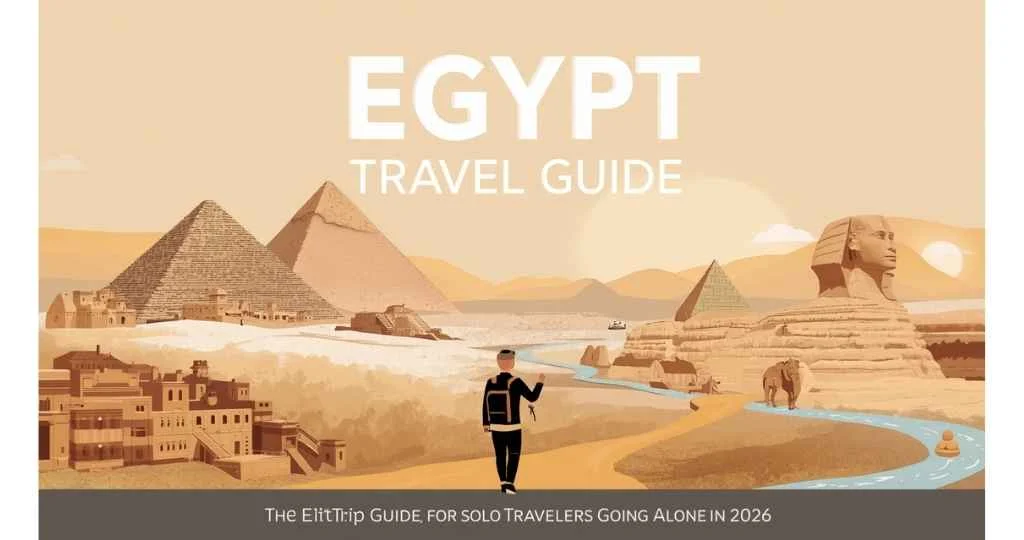
Egypt Travel Guide: The ElitTrip Honest Guide for Solo Travelers Going Alone in 2026
Egypt does not ask politely for your attention. It takes it. From the moment you clear customs at Cairo International and step into the organized chaos of a city of 22 million people moving at full speed in every direction, Egypt begins working on you — rearranging your sense of scale, of time, of what human beings are capable of building when they believe something is worth building. This guide is for the solo traveler who wants to experience all of that. Alone. With their eyes open.
Table of Contents
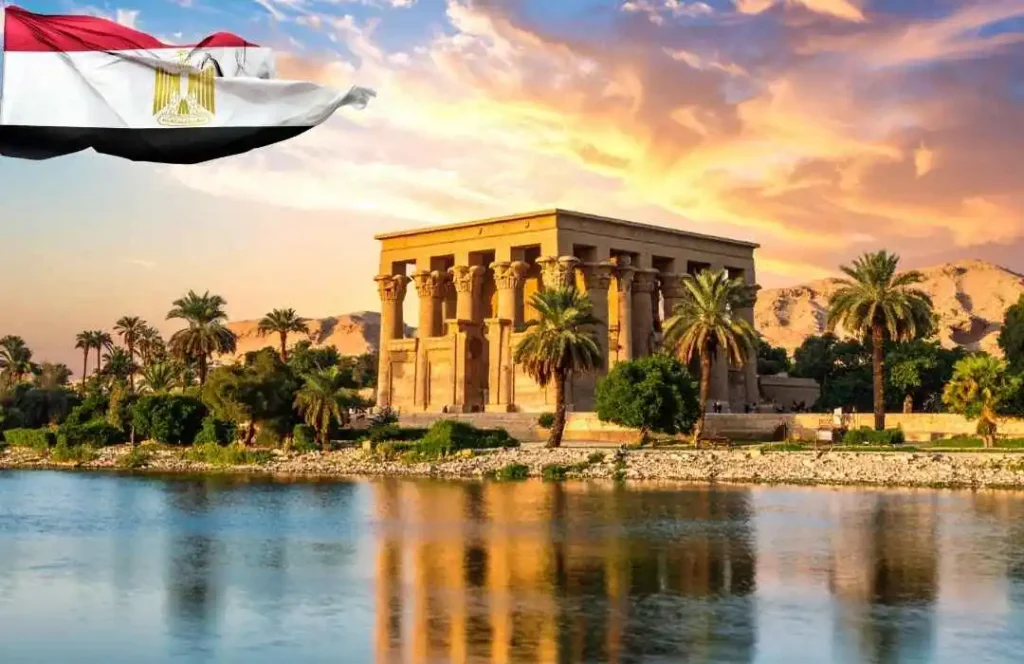
Egypt Travel Guide: Why 2026 Is the Most Important Year to Visit Egypt in a Generation
Fitch Solutions forecasts 18.56 million tourists visiting Egypt in 2026 — up from 17.76 million in 2025 — making this the country’s most significant tourism year on record. Egypt climbed six places to enter the global top 25 tourist destinations and was named Africa’s leading travel destination for the third consecutive year in the Nation Brand Performance Index.
That number tells you something important: Egypt’s moment is right now. Not in five years when the infrastructure has caught up to the crowds. Not a decade ago when the political climate was harder to navigate. Right now, in 2026, when the country has invested more in visitor experience, safety infrastructure, and cultural presentation than at any point in its modern history.
The long-awaited Grand Egyptian Museum is transforming Egypt’s cultural tourism strategy entirely. Cultural tourism bookings increased significantly in 2025 as travelers sought meaningful, heritage-based experiences rather than purely leisure escapes. Travelers are increasingly combining Cairo cultural tours with Red Sea beach holidays, creating high-value multi-destination journeys that make Egypt one of the most diverse single-country itineraries available anywhere in the world.
The Grand Egyptian Museum officially opened in November 2025 with full access to all major galleries — the Tutankhamun collection, Main Galleries, Grand Hall, Grand Staircase, Royal Mummies Hall, and exterior gardens. Built just 2 kilometers from the Great Pyramids, it offers visitors a rare opportunity to explore both ancient wonders and modern heritage in a single visit.
The solo traveler who arrives in Egypt in 2026 will find a country that is simultaneously 5,000 years old and genuinely new — still building, still improving, still revealing layers of itself that no previous generation of visitors has seen in quite this configuration. Go now.
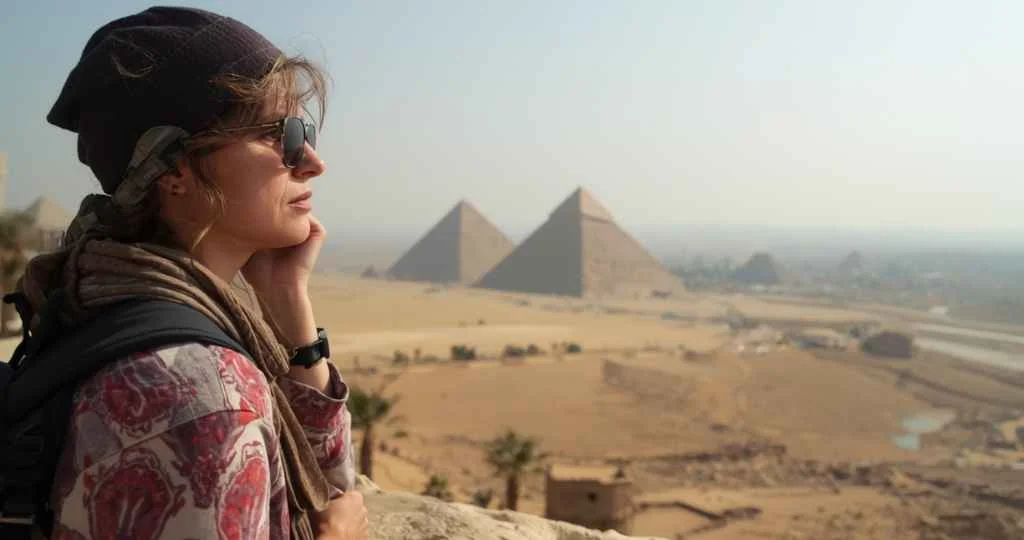
The Honest Solo Travel Framework: What Egypt Asks of You
Before the destinations, before the itinerary, before the packing list — the thing that most Egypt guides skip entirely: an honest description of what solo travel in this country actually demands.
Egypt can feel intense rather than dangerous. Street noise, persistent vendors, chaotic traffic, and cultural differences may be mistaken for insecurity, though they are often just part of daily life.
That sentence is the most useful thing you can carry into Egypt. The country is loud. It is persistent. It moves at a pace and a volume that is genuinely disorienting for the first day or two. None of that is threat. All of it is texture — the specific, irreplaceable texture of a civilization that has been continuously, noisily alive for longer than most countries have existed.
Egypt is a place that feels both eternal and electric, where antiquity hums beneath the chaos of modern life and every street seems to carry a story older than time itself. One moment you are standing before monuments that have outlived empires; the next, you are navigating honking traffic, fragrant food stalls, and conversations conducted at full volume. It is thrilling, overwhelming, deeply rewarding, and absolutely not a destination you want to arrive at unprepared.
The solo traveler who thrives in Egypt is not the one who has suppressed their anxiety. It is the one who has converted their anxiety into preparation — who knows which neighborhoods to stay in, which transport to use, which situations to engage and which to walk past, and how to find the stillness that Egypt hides inside its noise. This guide gives you that preparation, destination by destination.
Is Egypt Safe for Solo Travelers in 2026? The Real Answer
Egypt is considered safe for tourism in 2026, especially within established travel routes and major destinations. The country maintains specialized tourism police units assigned exclusively to visitor protection. These units operate at airports, historical sites, museums, hotels, and cruise terminals.
The Green Zones — Cairo, Giza, Luxor, Aswan, Hurghada, and Sharm El Sheikh — are heavily protected by the Tourism and Antiquities Police, a dedicated branch of the government specifically for visitor safety. In 2026, the full operation of the Grand Egyptian Museum and the New Administrative Capital has led to unprecedented security and modern infrastructure, making the Cairo-Giza corridor one of the safest tourist hubs in the world.
The No-Go Zones — North Sinai and the deep Western Desert near the Libyan border — are not places tourists would visit anyway. You would not even be allowed to enter these areas without special government permits. The tourist itinerary and the genuinely risky zones do not overlap.
The real risks for solo travelers in Egypt are the same category as Morocco, Istanbul, or Bangkok: petty scams, vendor pressure, occasional overcharging, and navigational challenges in busy medinas and markets. Petty scams, overcharging, and aggressive selling are more common tourist issues than violent crime. Pickpocketing can happen in crowded urban areas, markets, and transit hubs, but it is manageable with basic precautions.
Egypt is a country that deeply values its visitors, and the on-the-ground reality is one of warmth, welcome, and well-organized security. When travelers ask whether Egypt is safe for tourists in 2026, the answer for the millions who enjoy an unforgettable journey here each year is overwhelmingly positive.
The Best Places to Visit in Egypt: A Solo Traveler’s Honest Destination Guide
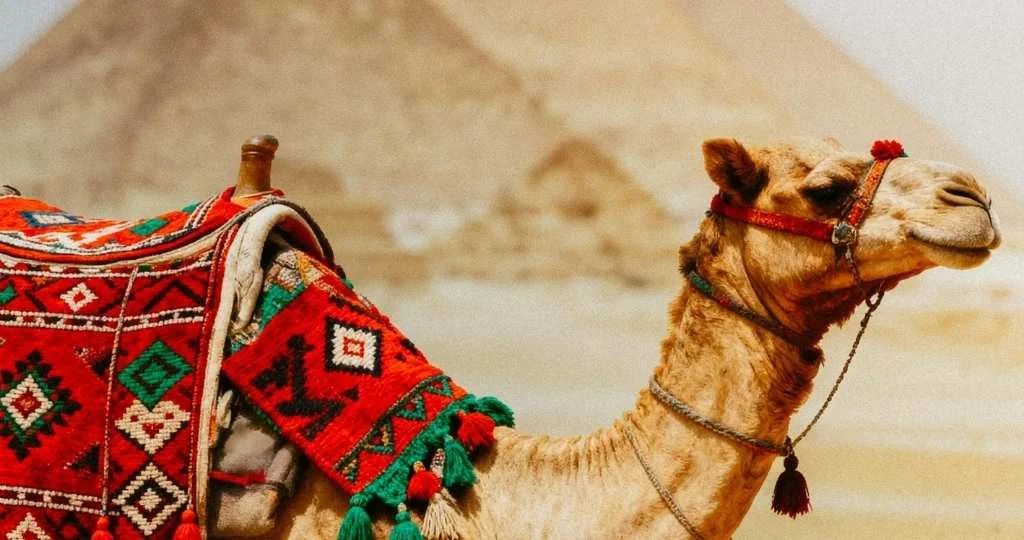
🇪🇬 Cairo and Giza — Where 5,000 Years of History Lands on You All at Once
Cairo is not a city that introduces itself gradually. It drops you directly into its own center — 22 million people, a thousand years of Islamic architecture layered over 3,000 years of pharaonic history, traffic that operates on principles that have no relationship to any road code you have ever encountered, and beneath all of it, a warmth and generosity that reveals itself slowly to the solo traveler who stays long enough to find it.
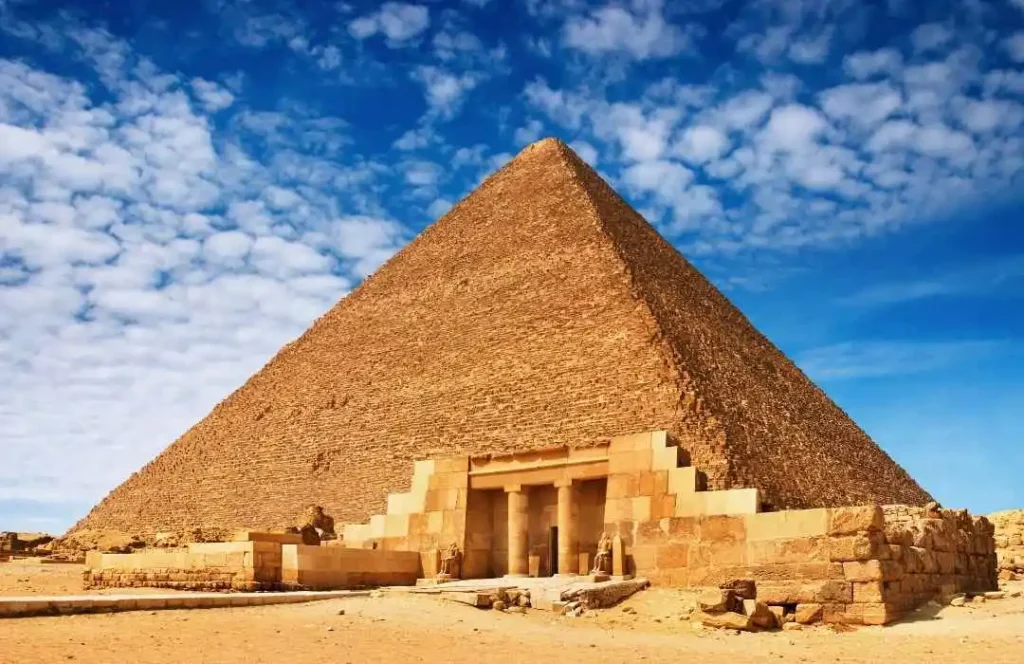
The Pyramids of Giza are the reason most people come to Egypt, and they earn it — though not quite in the way you expect. The photographs prepare you for their size. They do not prepare you for the surreal quality of standing at the foot of the Great Pyramid of Khufu and understanding, physically rather than intellectually, that what you are looking at was built 4,500 years ago by human hands with tools that would seem primitive to a modern carpenter. The Pyramids of Giza attracted 14.8 million visitors in 2023, and the surrounding plateau faces a 30% capacity issue due to sustained high demand. Go early — the Giza Plateau at 8am, before the tour buses arrive, is an entirely different experience from the same site at 11am. The morning light turns the limestone a pale gold and the crowds are thin enough that you can stand before the Great Sphinx alone for a few minutes and feel the weight of what you’re looking at without the buffer of a hundred other people doing the same thing.
The Grand Egyptian Museum sits just 2 kilometers from the Pyramids, built on a scale that reflects its ambition to become the world’s greatest archaeological museum. The 11-meter statue of Ramses II that greets you in the Grand Hall — over 3,200 years old — gives you an immediate sense of the scale of what follows. The Tutankhamun collection, displayed in its entirety for the first time in history, includes 5,000 artifacts from the boy king’s tomb: the golden death mask, four gilded shrines, the solid gold throne, jewelry, clothing, and everyday objects that together paint a portrait of a life lived 3,300 years ago with extraordinary intimacy.
The Grand Egyptian Museum is Egypt’s answer to how to fit 5,000 years of history into one jaw-dropping building. The scale is extraordinary, the architecture is ambitious, and the Tutankhamun collection alone is worth the flight. It is less chaotic than Cairo’s city center but do not expect solitude — arrive early and book tickets online in advance to skip the longest queues.
For the solo traveler navigating Cairo independently, the Khan El Khalili Bazaar — the medieval market at the heart of Islamic Cairo — is the city at its most concentrated and most alive. It is loud, fragrant, persistent, and genuinely extraordinary. The correct approach: wander without purpose, decline everything that is offered without stopping or making prolonged eye contact, accept nothing described as free, and allow the city to happen to you rather than trying to manage it. The traveler who lets Khan El Khalili wash over them for two hours and emerges on the other side having bought nothing more than a glass of tea at a hundred-year-old café has understood something essential about how Egypt works.
For solo travelers in Cairo: Stay in Zamalek — the island district in the Nile — or central Downtown. Both are safe, walkable, and close enough to major sites without dropping you in the medina’s most tourist-saturated zones. Use Uber for any journey after dark.
Book your Grand Egyptian Museum tickets online before you arrive — the process is smooth and straightforward, accepts international payment, and allows you to bypass the longest queues. Budget four hours minimum for the museum, more if the Tutankhamun galleries captivate you. Getting back to Cairo from GEM: pre-arrange your return transport through your hotel, as ride apps can be difficult to summon from the museum’s exit area.
Average daily budget: $60–100 USD Solo-Friendly Rating: 8.5/10
“I stood in front of Tutankhamun’s golden death mask alone in a crowd of hundreds and felt something I cannot adequately explain — a recognition of the distance between his life and mine, and simultaneously the smallness of that distance. That is what the Grand Egyptian Museum does to a solo traveler. It makes 3,300 years feel personal.”
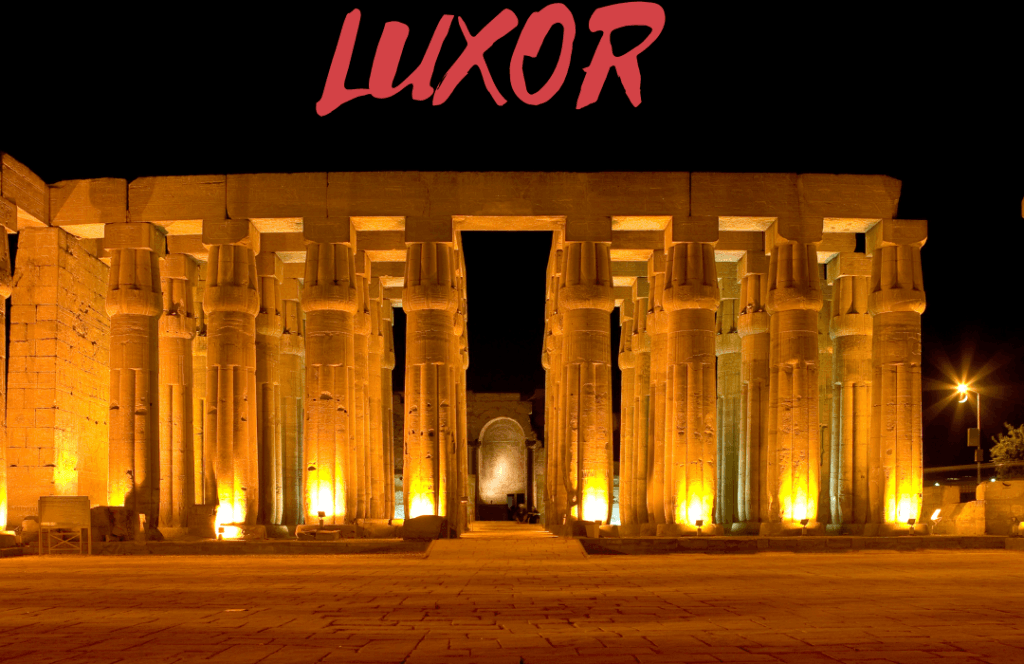
🇪🇬 Luxor — The Most Important Open-Air Archaeological Site on Earth
Luxor’s Valley of the Kings, Karnak Temple, and Luxor Temple are highlights that give unparalleled views of ancient Egyptian civilization at its peak. FTLO Travel
Luxor is where Egypt stops being overwhelming and starts being revelatory. The city sits on the site of ancient Thebes — the capital of Egypt at the height of its imperial power — and contains a concentration of temples, tombs, and monuments that has no equivalent anywhere in the world. The Karnak Temple Complex — built over 2,000 years by successive pharaohs, each adding their own hall, obelisk, or sanctuary — covers 100 hectares and is the largest religious complex ever built on earth. Walking through the Avenue of Sphinxes that connects it to Luxor Temple at dusk, when the stones turn amber and the tourists thin out, is one of the finest solo travel hours available anywhere in Africa.
The Valley of the Kings on Luxor’s West Bank is where the New Kingdom pharaohs — Ramesses II, Seti I, Tutankhamun — were buried in tombs cut deep into limestone cliffs and decorated with extraordinary painted reliefs depicting the journey through the afterlife. The standard ticket covers three tombs. Choose carefully — the tomb of Seti I contains the finest painting, the tomb of Ramesses VI the most dramatic astronomical ceiling, and the small tomb of Tutankhamun the most historically charged atmosphere, despite holding fewer artifacts now that they’ve been moved to the Grand Egyptian Museum. Arrive when the gates open. The Valley of the Kings at 7am, before the tour groups, is a completely different experience from the same site at 10am.
For the solo traveler, a hot air balloon ride over Luxor at sunrise adds a peaceful yet unforgettable perspective — the temples and tombs of the West Bank laid out below you in the early light, the Nile a silver ribbon through the valley, the desert stretching in every direction. It is one of those moments that solo travel makes uniquely personal, because there is no one beside you to share the commentary and you are left simply with the experience itself.
Pro Tip: Hire a local bicycle on the West Bank for half a day and cycle between the mortuary temple of Hatshepsut and the Valley of the Kings through the flat agricultural land. The route takes you past local villages and fields that look structurally unchanged from the agricultural Egypt depicted in tomb paintings 3,000 years old. It is the most genuinely immersive few hours available in Luxor and costs almost nothing.
Average daily budget: $45–80 USD Solo-Friendly Rating: 9/10
“Luxor is the place where Egypt stops being a history lesson and becomes something you feel in your body. Standing inside the hypostyle hall of Karnak at dawn — 134 columns, each one taller than a four-story building — I understood for the first time what it means to build something intended to outlast civilizations. It has.”
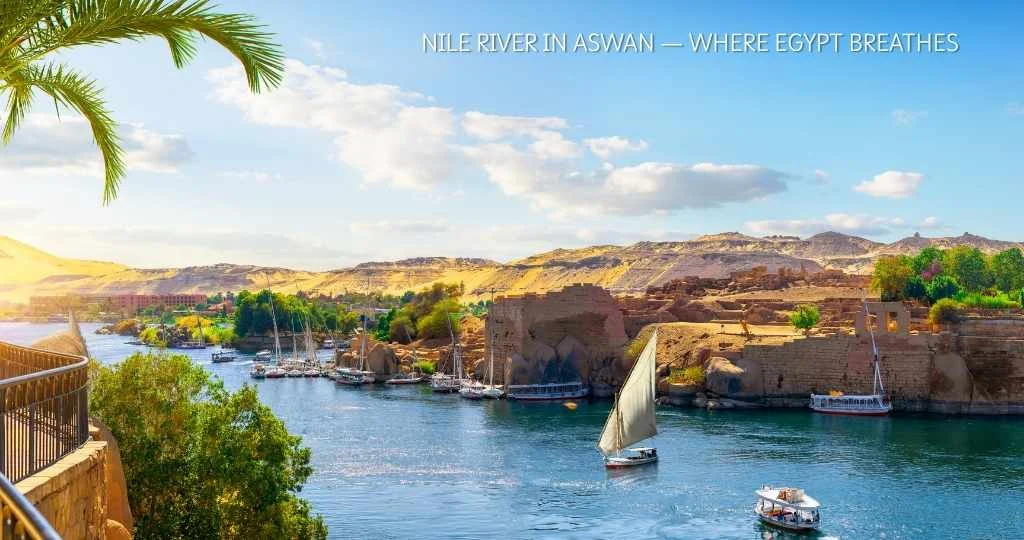
🇪🇬 Aswan — Where Egypt Breathes
If Cairo is the sprint and Luxor is the revelation, Aswan is the long exhale at the end of both. This southern city sits on the Nile at Egypt’s most beautiful stretch — wide and deep and dotted with granite islands, the desert coming down to the water’s edge on both banks, the light falling differently here than anywhere else in the country, softer and more golden and quieter somehow.
The Temple of Philae, dedicated to the goddess Isis and relocated stone by stone to Agilkia Island during the construction of the Aswan High Dam in the 1970s, is accessible only by boat and is among the most elegantly situated monuments in all of Egypt. The short felucca ride across the Nile to reach it is itself a pleasure — the breeze, the granite outcrops rising from the water, the silence that the city’s distance imposes. The temple’s reliefs, painted with traces of their original color still visible in the protected corners, show Isis cradling the infant Horus with a tenderness that crosses 2,000 years without difficulty.
The Nubian villages on the West Bank of Aswan are among the most visually striking communities in Egypt — brightly painted houses in turquoise, yellow, and coral pink, decorated with murals of crocodiles and palm trees, with small guesthouses where families host travelers for lunch and an afternoon of genuine cultural exchange. This is not a performance. It is a living community with a cultural identity distinct from Arab Egypt — older, in certain ways, and more directly connected to the ancient civilization that built the monuments you have been walking through for the past week.
A Nile cruise between Luxor and Aswan is one of the lowest-stress travel options available in Egypt for solo travelers. It combines security, guided transport, and predictable routines, with daily visits to temples and sites organized without the constant navigation decisions that solo overland travel requires. For the solo traveler who has found Cairo and Luxor demanding, a three or four night cruise between these two cities is the reset the trip needs — slow, gorgeous, and structured enough to feel genuinely restful.
Average daily budget: $40–75 USD Solo-Friendly Rating: 9.5/10
“Aswan gave me the first morning of the entire trip where I woke up without a plan and didn’t feel like I was wasting anything. I hired a felucca for an hour, sailed between the granite islands, watched a pair of egrets stand motionless on a rock, and understood why the ancient Egyptians believed this particular stretch of river was the edge of the known world.”
🇪🇬 Alexandria — The City That Was the World
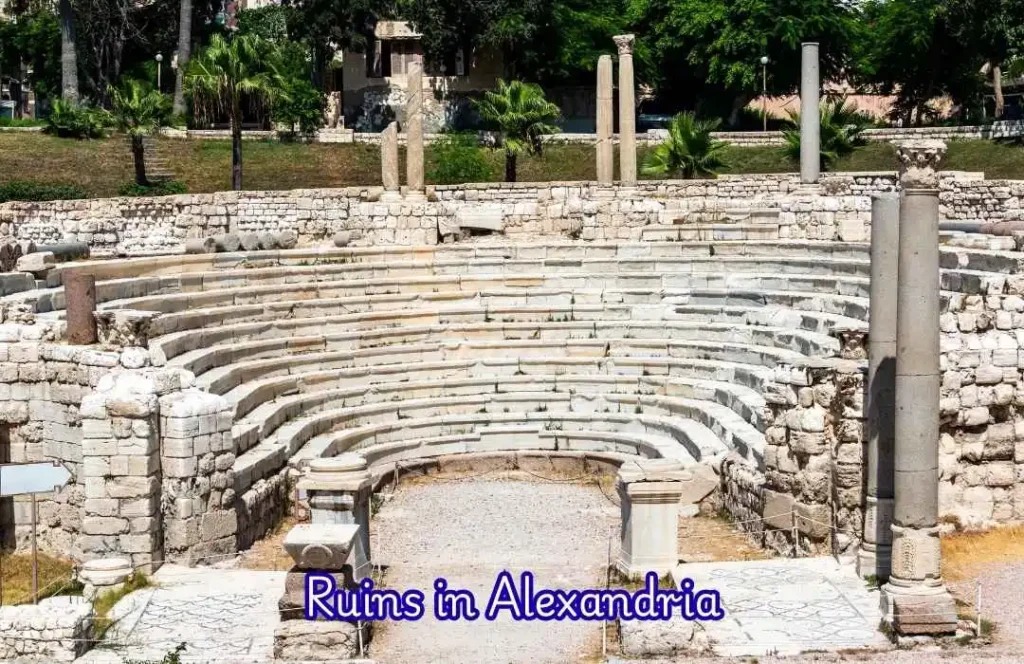
Alexandria operates at a frequency entirely different from the Nile Valley cities. Founded by Alexander the Great in 331 BC and home for centuries to the greatest library in the ancient world, the city has a Mediterranean sensibility — wider streets, sea-facing cafés, a lightness in the architecture that reflects the ocean rather than the desert — that makes it feel like a country within a country.
The Bibliotheca Alexandrina — the modern library built on the site of the ancient one, opened in 2002 with a design that references the original’s ambition — is one of the most architecturally striking buildings in North Africa. Its tilted disc roof, covered in characters from every writing system in the world, shelters seven specialized libraries, four museums, and a planetarium. For the solo traveler who finds Egypt’s ancient sites demanding, the Bibliotheca is a different kind of cultural immersion — quieter, cooler, and organized around ideas rather than monuments.
The Qaitbay Citadel, built on the site of the ancient Lighthouse of Alexandria — one of the Seven Wonders of the Ancient World — provides the best views in the city: the Mediterranean on three sides, the Eastern Harbor curving below, and the limestone blocks of the lighthouse itself incorporated into the citadel’s foundations by the Mamluk sultan who built it in the 15th century. The Corniche — the long seafront promenade — is best walked at dusk, when Alexandria’s residents come out and the city reveals its real personality: social, relaxed, cosmopolitan in a way that Cairo is too big and too urgent to be.
Average daily budget: $40–70 USD Solo-Friendly Rating: 9/10
🇪🇬 The Red Sea — The Other Egypt Nobody Adequately Prepares You For
The Red Sea region contributed $8.5 billion to Egypt’s tourism revenue in 2023, making it the country’s single largest tourism economy. Sharm El Sheikh’s luxury resorts maintained 85% occupancy in 2023, while Hurghada served as the primary gateway for budget-conscious travelers and diving enthusiasts.
The Red Sea is not an afterthought appended to an Egypt itinerary. It is a destination in its own right — one of the finest diving and snorkeling environments on earth, with coral reefs that drop from shallow turquoise water into walls of color that extend into the blue below the reach of natural light. Resorts in Hurghada, Sharm El Sheikh, and Marsa Alam are well-established with high security standards, operating as comfortable and self-contained environments for relaxation and water-based adventure. All certified dive centers and boat tour operators are fully regulated, ensuring snorkeling and diving trips are both safe and extraordinary.
For the solo traveler who has spent a week absorbing the weight of ancient history across Cairo, Luxor, and Aswan, a few days at the Red Sea performs the same function that Essaouira performs in Morocco — a coastal reset that gives the rest of the trip room to settle and consolidate. Dahab, north of Sharm El Sheikh, is the Red Sea destination that most experienced solo travelers prefer: smaller than Hurghada, less resort-packaged than Sharm, with a diving and free-diving culture, a long seafront promenade of small restaurants and guesthouses, and an atmosphere that rewards the independent traveler over the group tourist.
Average daily budget: $50–120 USD depending on dive activity Solo-Friendly Rating: 9/10
The ElitTrip Egypt Solo Traveler Overview
| Destination | Best For | Avg Daily Budget | Solo-Friendly Rating |
|---|---|---|---|
| Cairo and Giza | History, Grand Egyptian Museum | $60–100 | 8.5/10 |
| Luxor | Temples, tombs, open-air archaeology | $45–80 | 9/10 |
| Aswan | Nubian culture, Nile calm | $40–75 | 9.5/10 |
| Alexandria | Mediterranean culture, ideas | $40–70 | 9/10 |
| Red Sea (Dahab) | Diving, coastal reset | $50–120 | 9/10 |
Getting Around Egypt Alone: What Actually Works
Domestic flights are the most practical option for covering Egypt’s significant distances — Cairo to Luxor or Aswan takes around an hour and costs relatively little booked in advance. EgyptAir operates this network reliably. For the solo traveler who wants to maximize time at each destination rather than spending it in transit, flying between the major southern sites is always worth the additional cost.
The overnight train from Cairo to Luxor or Aswan is one of Egypt’s great solo travel experiences — booking a sleeper berth means waking up in Luxor after a night of movement through the Egyptian night, the Nile valley appearing outside your window in the early morning light. Book through the official Egyptian National Railways website or through your accommodation in advance. First-class sleeper carriages have private compartments with beds, linen, and dinner service.
Nile cruises provide a controlled and comfortable way to experience Egypt safely for solo travelers. They combine security, guided transport, and predictable daily routines that make the Luxor-Aswan corridor one of the lowest-stress options available in the country.
In cities, use Uber — available and reliable throughout Cairo, Alexandria, and major tourist cities. Wi-Fi can be unreliable even at luxury hotels, making a local SIM card one of the most useful purchases upon arrival. Mobile data simplifies navigation, bookings, and communication throughout the trip. Buy a local SIM card at Cairo International Airport immediately after clearing customs.
For late-night travel, using a reputable ride-sharing app or a pre-booked taxi from your hotel is the secure and smart choice. Agree on all prices before entering any vehicle not using a metered app. Google
Practical Egypt Travel Tips for Solo Travelers in 2026
When to go
Egypt is a mix of several deserts, and timing your trip according to what kind of weather you want to experience is one of the most important planning decisions you’ll make. October to April is universally the best window for solo travelers visiting the cultural sites — temperatures between 18 and 28 degrees Celsius make the Karnak Temple hypostyle hall and the Giza Plateau walkable for extended periods without physical suffering. May through September in Luxor and Aswan means temperatures regularly exceeding 40 degrees Celsius — not impossible to manage, but genuinely demanding and worth avoiding if you have flexibility.
Visa
Most travelers will need a tourist visa to enter Egypt. While visas are available on arrival, applying for an e-visa in advance is the smarter move — it removes a potential queue from the beginning of your trip and arrives as a QR code on your phone. The e-visa process is straightforward, costs around $25 USD, and takes 3–5 business days to process.
What to wear
Lightweight, loose-fitting clothing that covers the shoulders and knees is ideal for visiting cities and ancient sites. When entering mosques or Coptic churches, women should also cover their hair. In coastal resorts like Hurghada and Sharm El Sheikh, standard swimwear is perfectly acceptable on the beach or by the pool. Packing a mix of styles ensures you are prepared for every context. Google
Photography
Drones are strictly prohibited in Egypt without official government permission and should be left at home. Camera fees apply at most archaeological sites and are additional to entrance tickets — budget for them. At many sites, photography inside tombs is either prohibited or requires a separate paid permit. Licensed guides know the current rules at each site and can save you from expensive on-the-spot violations.
Money
Carry cash in Egyptian pounds. While major hotels and some restaurants accept cards, the markets, taxi drivers, site entrance vendors, and most local restaurants operate cash-only. ATMs are available in tourist areas. Use ATMs attached to major banks in busy, well-lit locations and cover the keypad when entering your PIN. Exchange a reasonable amount on arrival and replenish at bank ATMs rather than street money changers.
Drink only bottled water throughout your trip. This is not a precaution — it is a rule. The tap water in Egypt is not suitable for international travelers, and stomach illness is the number one health complaint among visitors. Carry a reusable bottle and refill from sealed bottles rather than hotel tap faucets.
For Solo Female Travelers: The Honest Reality
As a female traveler in Egypt, you will likely experience staring regardless of your clothing and some catcalling or verbal comments — mostly from young men. Ignoring comments and walking confidently is the most effective response. Uncomfortable interactions rarely escalate to anything physical.
Public transport harassment is a risk on shared city buses and minibuses. Use Uber, Careem, or pre-booked hotel taxis rather than public transport for city navigation. The Cairo Metro has female-only carriages — a practical option for daytime travel on that specific network.
Many solo female travelers visit Egypt successfully by using reputable operators, choosing well-reviewed hotels, and following standard travel awareness practices. The solo female traveler who books guided excursions for major archaeological sites, uses app-based transport in cities, stays in riads and boutique hotels with strong solo traveler reviews, and dresses modestly in non-resort contexts will have a fundamentally smoother experience than one who arrives without these frameworks.
The experience of solo female travel in Egypt is demanding in specific and manageable ways. It is also, for the women who go prepared, consistently reported as one of the most powerful and transformative trips of their traveling lives.
FAQ: What Solo Travelers Ask Before Booking Egypt
How long should a first-time solo trip to Egypt be?
Ten to fourteen days is the minimum time to experience Egypt without rushing through it. A well-structured solo itinerary: three nights Cairo and Giza, two nights Luxor, two nights Aswan, two nights Red Sea, one night Alexandria if flying out from there. This circuit covers Egypt’s essential cultural and natural experiences without the pace that turns immersion into consumption.
Is Egypt expensive for solo travelers?
The average daily spending per international tourist in Egypt was $185 in 2023 — but that figure includes luxury resort spending. Solo travelers moving through guesthouses, local restaurants, and public transport can manage Egypt comfortably on $50–80 USD per day outside of the Red Sea resorts. Egypt remains one of the best value-to-experience ratios available to an international solo traveler anywhere in the world.
Can I visit the pyramids alone without a guide?
Yes — the Giza Plateau is a public site and entry does not require a guide. However, licensed guides at major archaeological sites provide expert insight that transforms monuments from impressive structures into living stories. At the Karnak Temple Complex and the Valley of the Kings specifically, a licensed Egyptologist guide changes the experience from visually overwhelming to culturally legible. For the Pyramids and the Grand Egyptian Museum combined, budget half a day each and hire a guide for at least one of the two.
What is the biggest practical mistake solo travelers make in Egypt?
Underestimating the distances and overestimating the ease of moving between cities independently. Egypt is a large country with significant stretches of desert between its major destinations. Build transport days into your itinerary rather than filling every day with site visits — the traveler who arrives at Luxor Temple exhausted from a night bus is not going to experience it the same way as the one who slept well and arrived rested.
Is the Nile cruise worth it for a solo traveler?
Nile cruises between Luxor and Aswan are experiencing a strong comeback, now marketed as premium cultural journeys rather than mass tourism products. For solo travelers, the cruise dynamic depends on the vessel: smaller boutique boats attract independent and culturally engaged travelers who tend to be good company. Large cruise ships can feel socially isolating if the rest of the manifest is couples and families. Research the passenger profile of your specific vessel before booking and choose a boat that explicitly welcomes solo travelers.
Final Thought: What the Pyramids Do to a Solo Traveler
There is a moment that almost every solo traveler to Egypt describes, and it happens at the Pyramids. You have read about them, seen them photographed from every angle, understood intellectually that they are ancient and significant. And then you are standing at the base of the Great Pyramid of Khufu — your head tilted back, the limestone blocks rising above you at a scale that the photographs have been consistently lying about for your entire life — and something shifts.
It is not wonder, exactly. It is older than wonder. It is the physical sensation of understanding your own scale in relation to something that has outlasted every civilization that has ever existed on earth, and is still here, and will still be here long after everything you will ever build has dissolved. You feel very small. Paradoxically, you feel very real.
A visit to the Giza Plateau is both awe-inspiring and beautifully paced — the camel ride into the desert at dawn provides a cinematic perspective that deepens the sense of timelessness. For many travelers, Egypt becomes more than a destination. It becomes a story of confidence, growth, and adventure.
A solo elite trip to Egypt does not promise you comfortable. It promises you changed. The traveler who goes alone to stand in front of the oldest surviving Wonder of the Ancient World, with no one beside them and no one’s reaction to manage, experiences something that cannot be replicated by any guided group tour or any accompanied vacation.
Go. Go with your eyes open. Come back knowing something about yourself that you could not have learned anywhere else.
ElitTrip is built for travelers who go alone. Read our complete Morocco Solo Travel Guide and our honest safety guides for solo travelers across North Africa and the Mediterranean — everything written for the independent traveler who goes without a safety net and finds one inside themselves.
Want to Share Your Experience?
Have you traveled using one of our guides or found inspiration here?
👉 Share your experience in the comments or send us your story
Your insights help other travelers plan more thoughtful, rewarding journeys.
Latest Reviews
There are no reviews yet. Be the first one to write one.