Travel to Epic Adventures Beyond the Ordinary — The Solo Elite Trip Guide to Journeys That Change You + Free Solo Travel Safety Checklist
By the Elitetrip.de Team | Solo Elite Trip | Updated 2026
TL;DR: Solo travel to epic adventures beyond the ordinary isn’t about extreme sports or famous landmarks — it’s about journeys that reshape how you see yourself and the world. This guide covers how to choose transformational solo destinations, what makes an adventure genuinely life-changing, and how to prepare for the kind of trip you’ll still be thinking about years later. No fluff. No recycled advice. Just the honest guide from the Solo Elite Trip team at elitetrip.de.
Table of Contents
What Does It Mean to Travel to Epic Adventures Beyond the Ordinary?
Most people who say they want to travel mean they want to see something new. Fewer mean they want to become someone new.
Travel to epic adventures beyond the ordinary sits firmly in the second category. It is not defined by how remote your destination is, how physically demanding your itinerary looks, or how impressive the photos will appear. It is defined by one question: did this journey change something in you that stayed changed?
That distinction matters enormously for solo travelers. When you travel alone, you remove every social buffer between yourself and the experience. There is no companion to defer to, no shared narrative to retreat into, no comfortable group dynamic to hide behind. It is just you, the environment, and whatever the road decides to offer that day.
This is precisely why solo travelers are the most natural candidates for genuinely transformational adventure. They are already halfway there — they have already chosen depth over convenience by choosing to travel alone in the first place.
The journeys described in this guide go further. They ask you to engage not just independently but intentionally. To arrive at a destination not as a consumer of its highlights but as a participant in its reality. And to return home not just with photographs but with a fundamentally different relationship to silence, to uncertainty, and to what actually matters.
Why Ordinary Travel Stops Working — And What Comes Next
There is a specific kind of restlessness that hits experienced travelers. You have done the popular destinations. You have stood in the famous squares, eaten in the celebrated restaurants, and ticked the boxes that every travel magazine recommends. And somewhere in the process, you started feeling like you were going through the motions.
This is not ingratitude. It is evolution. You have outgrown the pace and format of ordinary tourism, and your instincts are telling you so.
Ordinary travel, for all its pleasures, follows a predictable structure: arrive, observe, consume, photograph, leave. The world passes in front of you like a film you are watching from a comfortable seat. You are present but not participating. Stimulated but not changed.
Solo travel to epic adventures beyond the ordinary breaks this structure at every point.
You do not merely observe the Algerian Sahara — you sit inside it for days until your sense of time dissolves and the silence becomes something you can almost hear. You do not tick off a summit — you earn it through hours of physical effort that reveal exactly what you are made of when no one is watching. You do not sample a culture — you spend enough time inside it to understand that your own assumptions were the thing that needed adjusting.
The shift from ordinary travel to transformational adventure is not about the destination. It is about the depth of engagement you bring to wherever you are. But certain places make that depth almost inevitable — and those are the destinations this guide is built around.
The Destinations That Make Solo Adventure Transformational
The Algerian Sahara: Where Silence Teaches You More Than Any City
Of all the places on earth suited to solo travelers seeking genuine transformation, the Algerian Sahara is among the most powerful and the least understood by mainstream tourism.
This is not the Sahara of package tours and staged camel photographs. The Algerian desert is vast, quiet, and architecturally ancient in a way that resists easy description. The Tassili n’Ajjer plateau, a UNESCO World Heritage landscape in the southeast, contains rock art that is thousands of years old — human figures painted by hands that understood the desert as home, not as backdrop.
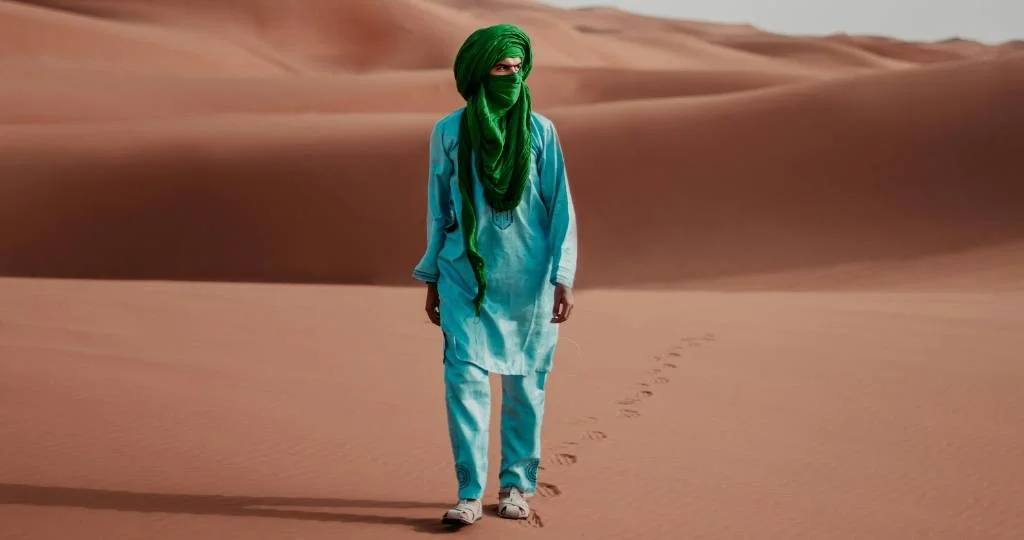
Traveling through this landscape alone — or with a small group and a knowledgeable local guide — produces a specific quality of attention that is almost impossible to replicate elsewhere. When there is nothing demanding your focus except the horizon, the light on the dunes, and the changing temperature as the sun moves, your mind begins to work differently. The constant noise of modern life — notifications, obligations, the low-level anxiety of always being reachable — falls away with surprising speed.
What fills that space is harder to name. Clarity is the word most travelers reach for. A sense of proportion. An understanding, felt rather than merely understood, that most of the things you worry about are extraordinarily small against the scale of a desert that has been indifferent to human drama for ten thousand years.
For solo travelers who have spent years navigating the noise of populated environments, this quality of quiet is not just pleasant — it is genuinely restorative in a way that no city weekend retreat ever manages.
The practical reality of desert travel in Algeria requires planning. The summer heat in the Sahara is not negotiable — temperatures regularly exceed 45°C in July and August, and traveling without proper preparation and experienced local guidance is genuinely dangerous. The optimal window is October through March, when temperatures are manageable and the quality of light during the long golden hours is extraordinary.
A journey through the Algerian Sahara typically involves:
Nights in traditional desert camps under skies of a clarity that cities have made almost mythological. The Milky Way visible as a physical structure rather than an abstract concept. Silence so complete that your own breathing becomes audible.
Navigation through landscapes — ergs of rolling dunes, hamadas of flat black rock, gorges carved by rivers that no longer exist — that shift your understanding of geological time and your own place within it.
Encounters with Tuareg guides whose relationship with this environment is generational and intimate. They read the desert the way experienced sailors read the sea: through accumulated knowledge that no guidebook can fully capture.
The physical reality of desert travel: the fine sand that finds its way into everything, the adjustment your body makes to reduced water and increased heat, the way your senses sharpen when artificial distractions are removed.
None of this is comfortable in the conventional sense. All of it is deeply worthwhile.
Remote African Landscapes: Beyond the Safari Circuit
Africa is the continent that most consistently delivers the quality of encounter that defines transformational solo travel — but only when you move beyond the circuits that mass tourism has already worn smooth.
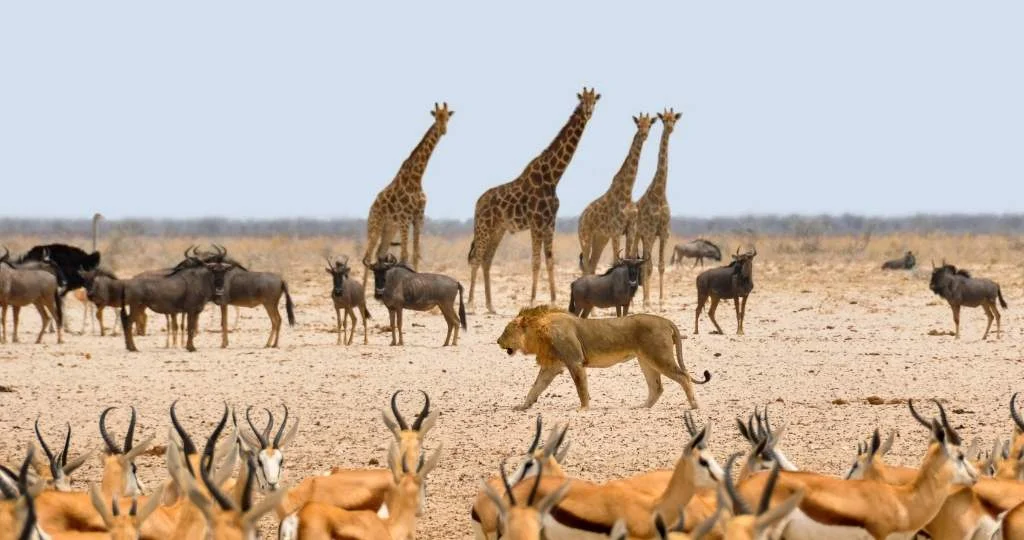
The parts of Africa that change people are not always the most photographed. They are the northern regions of Tanzania that most travelers bypass on the way to Kilimanjaro. The vast emptiness of Namibia’s Skeleton Coast, where the desert meets the Atlantic in a collision of environments that feels like the edge of the world. The highlands of Ethiopia, where the landscape shifts from lowland heat to cool mountain air with an abruptness that feels almost theatrical, and where the cultural complexity rewards the traveler who slows down enough to observe it.
What these places share is not drama for its own sake. They share a quality of authenticity — a sense that what you are experiencing is the place as it actually exists, not the version of itself that has been produced and packaged for consumption.
Solo travel through these regions requires a higher level of preparation than touring the established circuits. But it also delivers a correspondingly higher level of reward. The traveler who reaches a place that most tourists have not found brings curiosity rather than expectation, and receives reality rather than performance.
The communities in these less-visited regions are accustomed to engaging with travelers as individuals rather than as groups to be managed. A solo traveler moving through northern Tanzania’s lesser-known areas, staying in locally-run guesthouses rather than international lodges, eating at family tables rather than resort restaurants, tends to generate conversations and connections that group tours structurally prevent.
These connections are not always comfortable or easily navigable. They require patience, willingness to sit with misunderstanding, and the humility to accept that you do not always know what you are looking at. But they are, consistently, the encounters that solo travelers remember long after the spectacular landscapes have blurred together in memory.
Mountain and High Altitude Environments: The Discipline of Vertical Travel
There is a specific philosophy embedded in mountain travel that resonates deeply with solo adventurers: you cannot negotiate with altitude. You can prepare for it, acclimatize to it, and respect it — but you cannot charm or shortcut your way through it.
This honesty is part of what makes high-altitude travel transformational. In most areas of modern life, effort and outcome are only loosely connected. Work harder and the results may or may not follow. Train longer and the promotion may or may not materialize. But at altitude, the relationship between preparation, respect, and outcome is direct and unforgiving.
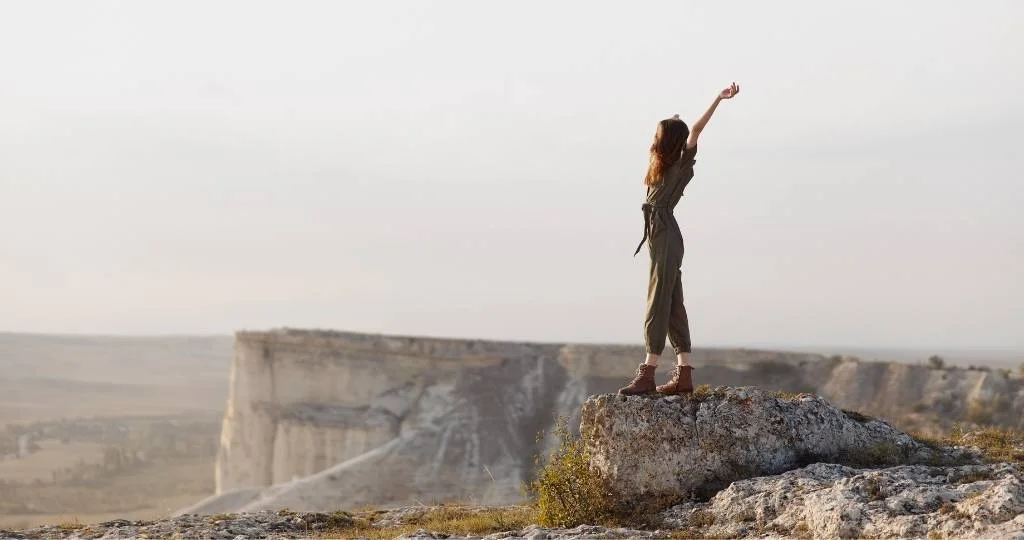
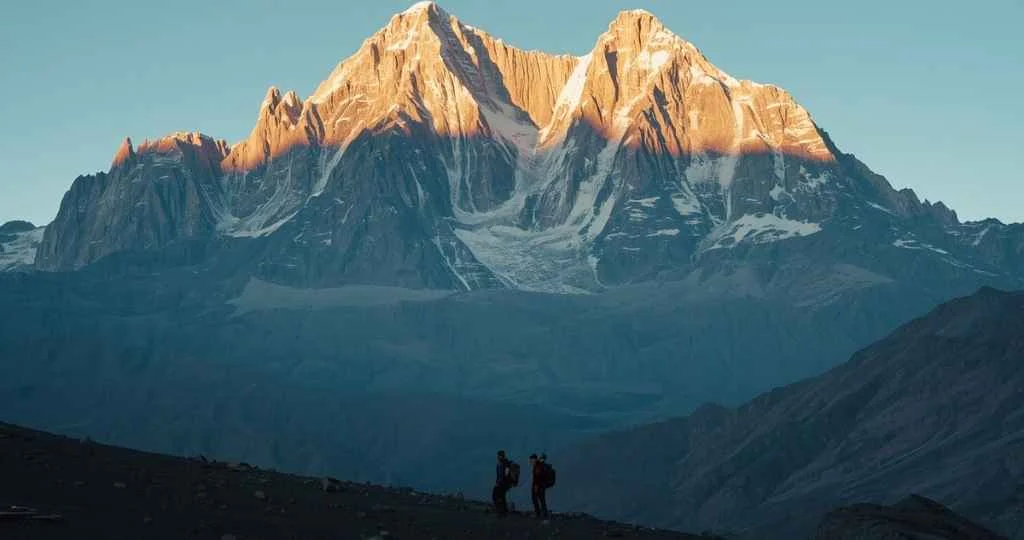
The solo traveler who undertakes multi-day mountain travel in regions like the Atlas Mountains of Morocco, the high plateaus of Ethiopia’s Simien range, or the remote trekking routes of central Asia returns with something that cannot be obtained any other way: the specific confidence that comes from having reached a difficult place under your own power, in your own company, and without anyone else carrying the difficulty for you.
This is not about conquest. Experienced mountain travelers consistently describe their relationship with high landscapes as one of negotiation rather than victory. You do not climb a mountain — you earn passage through it, and the passage teaches you something about your actual capabilities versus your imagined limitations that no other experience quite matches.
For solo travelers, the mental aspects of multi-day mountain travel are as significant as the physical. The hours of rhythmic movement with limited external stimulation create a meditative quality that city life systematically prevents. Problems that felt urgent before departure tend to reveal themselves, at altitude, as problems that had been given excessive importance. Priorities clarify with remarkable efficiency when the only urgent questions are whether you have enough water, whether the weather is changing, and whether your body is telling you something you need to listen to.
Jungles and Dense Forest Environments: Learning to Read a Landscape
Forest travel operates on different terms from desert or mountain adventure. Where the desert offers vast openness, the jungle offers dense complexity. Where the mountain demands physical performance, the forest demands attention and patience.
The traveler who enters a dense forest environment — whether in central Africa, the river basin regions of South America, or the highland jungles of Southeast Asia — is immediately in a world that does not reveal itself easily. Sound arrives from directions that make no sense. Paths that appeared clear become ambiguous. The distinction between trail and undergrowth, so obvious on a map, becomes difficult to maintain in practice.
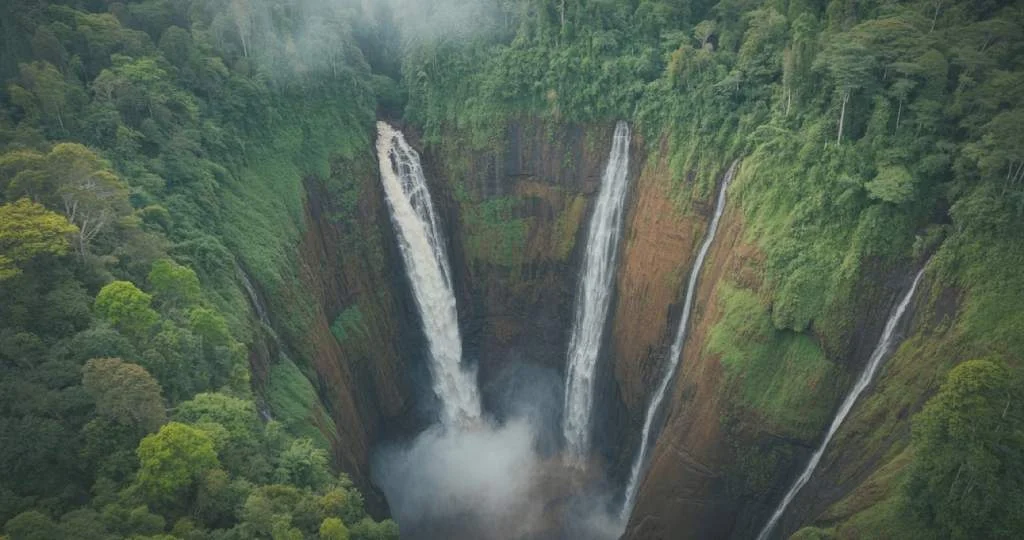
This complexity is not hostile. It is simply indifferent to the assumptions a person brings from urban environments. The forest rewards exactly the qualities that make a solo traveler good at solo travel: careful observation, comfort with uncertainty, willingness to slow down and pay attention rather than push through.
Traveling through jungle regions with knowledgeable local guides — and it should always be with knowledgeable local guides, both for safety and for the quality of understanding they provide — exposes you to a level of ecological intelligence that is humbling in the best possible way. The guide who has grown up in a specific forest environment reads it the way a skilled tracker reads signs that are invisible to the unpracticed eye. Every sound, every plant arrangement, every quality of light has meaning within a system of understanding that has been developed over generations.
Which Solo Adventure Is Right for You?
Not sure where to start? Choose your path based on what you truly seek.
🌍 Desert Adventure (Sahara)
Best For: Mental clarity & solitude
Key Benefit: Deep reflection & silence
Difficulty: Moderate
Ideal Duration: 7–12 days
Example: Algerian Sahara
⛰️ Mountain Adventure
Best For: Challenge & confidence
Key Benefit: Builds resilience
Difficulty: High
Ideal Duration: 10–14 days
Example: Atlas Mountains (Morocco)
🌍 Remote Africa
Best For: Culture & connection
Key Benefit: Authentic experiences
Difficulty: Moderate–High
Ideal Duration: 10–14 days
Example: Namibia, Ethiopia
🌿 Jungle / Forest
Best For: Awareness & patience
Key Benefit: Sharpens focus
Difficulty: Moderate
Ideal Duration: 7–10 days
Example: Central Africa, SE Asia
Preparation Checklist by Adventure Type – epic solo adventures beyond the ordinary
| Factor | Desert | Mountains | Jungle |
|---|---|---|---|
| Fitness Level | Moderate | High | Moderate |
| Guide Required | Yes | Sometimes | Yes |
| Key Risk | Heat | Altitude | Navigation |
| Must-Have Gear | Sun protection | Layered clothing | Waterproof gear |
What Makes a Solo Adventure Genuinely Life-Changing
Location provides the conditions. The traveler provides the engagement. The transformation happens in the space between them.
Having worked with solo travelers across dozens of destinations and journey types, the Solo Elite Trip team at elitetrip.de has identified the specific qualities that consistently distinguish a genuinely transformational adventure from a merely impressive one.
The Multi-Day Threshold
Single-day experiences, however spectacular, rarely produce lasting change. The brain processes them as events. Multi-day immersions in a single environment produce something qualitatively different.
The reason is neurological as much as experiential. The first day of an unfamiliar journey is dominated by processing the new environment: orientation, logistics, threat assessment in the broad sense of figuring out how this new world works. The brain is busy. Real engagement has not yet begun.
By day two, the orientation load has reduced. The environment has become familiar enough to move through without constant conscious processing, which frees attention for deeper observation. By day three, experienced travelers describe a specific quality of presence — a sense of being genuinely in the place rather than at it — that single-day visits rarely achieve.
Multi-day adventures in environments like the Algerian Sahara, remote African wilderness, or high mountain trekking routes deliver this quality consistently because the environment itself sustains engagement across multiple days. There is always another horizon, another community, another quality of light, another conversation with a guide or fellow traveler that pushes the experience deeper.
The Role of Physical Engagement
The body is not separate from the transformational travel experience — it is central to it. The physical effort involved in desert trekking, mountain hiking, or jungle navigation is not merely the cost of admission to impressive scenery. It is an integral part of why these journeys change people.
Physical challenge interrupts the cognitive patterns that sustain habitual thinking. When your legs are working hard, your lungs are managing altitude, or your balance is being tested by uneven terrain, the mental circuits that sustain anxiety, overthinking, and habitual self-narrative go quiet. Not because they have been solved but because the body’s immediate demands have temporarily taken priority.
What fills the space when those patterns quiet down is often surprising. Solutions to problems that felt intractable. Clarity about relationships or decisions that had felt impossibly tangled. A quality of mental stillness that meditation practitioners spend years trying to cultivate and that physical adventure in challenging environments delivers almost as a side effect.
This is why solo travelers who complete multi-day physical adventures consistently describe the experience not just as impressive but as clarifying. The body’s engagement with the landscape becomes a portal to a quality of mental presence that the sedentary environments of daily life actively prevent.
Cultural Contact That Goes Beyond Tourism
The most transformational adventures include meaningful contact with people who live differently from the traveler. Not as exhibits of cultural difference but as human beings with complex lives, sophisticated knowledge, and perspectives that challenge the traveler’s assumptions.
The Tuareg guides of the Algerian Sahara carry knowledge about desert navigation, meteorology, and ecology that is not available in any book. The highland communities of Ethiopia practice forms of social organization that solve problems that urban societies are still struggling with. The forest guides of central Africa understand their environment with a precision and intimacy that challenges every assumption a city-raised traveler holds about the relationship between human intelligence and natural environment.
These encounters do not produce comfortable alignment. They produce productive discomfort — the specific cognitive friction that comes from discovering that your way of doing things is one option among many, not the obvious default.
That friction is where genuine learning lives. The solo traveler who leaves room for it — who resists the impulse to evaluate every new practice by the standards of their home culture — consistently returns from adventure travel with a more generous and more accurate understanding of human possibility.
The Physical and Mental Preparation That Makes the Difference
The gap between a transformational adventure and a miserable one is almost entirely determined by preparation. Not over-preparation — the kind that tries to control every variable and leaves no room for the unexpected — but thoughtful, honest preparation that addresses the genuine requirements of the journey.
Physical Preparation
The specific physical demands depend entirely on the journey type. Desert travel in the Algerian Sahara requires heat tolerance, hydration discipline, and the ability to manage discomfort without panic. Mountain trekking requires cardiovascular fitness and the lower-body strength to maintain steady movement over multiple consecutive days of elevation change. Jungle travel requires general fitness, comfort with uneven terrain, and the psychological resilience to function in environments that can feel claustrophobic.
What all adventure travel shares is the demand for a body that is capable of sustaining effort over multiple consecutive days without the recovery resources of urban life. You will not sleep in a physiotherapy-quality bed. You will not have access to a gym. You will need to manage discomfort with the resources available in the field, which are primarily rest, hydration, and time.
Preparing for this reality means training not just for peak performance but for sustained performance over extended periods. Multi-day hiking practice in terrain similar to your destination. Heat or altitude acclimatization protocols where the journey requires them. Honest assessment of your physical baselines and genuine respect for what they indicate about the appropriate challenge level.
Mental Preparation
The mental preparation for transformational solo adventure is less discussed but equally important.
The specific challenge that most solo travelers underestimate is the confrontation with unstructured time and thought. In daily life, every moment is occupied — by work, by screens, by social obligation, by the ambient noise of urban environments. The sudden removal of these occupations, which is precisely what adventure travel in desert or wilderness environments provides, can initially feel profoundly uncomfortable.
The mind, accustomed to constant stimulation, searches for its usual inputs and finds them absent. In the early stages of a desert or wilderness journey, many solo travelers describe a period of restlessness — an almost panicky sense of not knowing what to do with themselves — before the adjustment settles in and the quality of attention that transformational travel is built on begins to emerge.
Preparing for this transition means practicing some version of it in advance. Regular periods of intentional silence. Time spent in natural environments without devices. Journaling practice that builds the habit of sustained inner attention before you arrive in conditions that demand it.
Practical Logistics That Cannot Be Improvised
Some elements of adventure travel preparation have no room for improvisation:
Travel insurance that specifically covers the activities and regions involved in your journey, including medical evacuation coverage for remote areas where ground transport to adequate medical facilities is not available within a reasonable timeframe.
Vaccination and health protocols specific to your destination, completed within the required windows before departure. Destinations across Africa and desert regions carry specific health requirements that differ significantly from standard international travel.
Communication arrangements with a trusted contact at home: your route, expected check-in schedule, and the specific steps they should take if they do not hear from you within the agreed window. In genuinely remote environments, this protocol is not a precaution against unlikely scenarios — it is a standard operational requirement.
Equipment specific to your environment, selected on the basis of genuine need rather than retail enthusiasm. Desert travel requires clothing that manages extreme heat and significant temperature drops at night within the same lightweight kit. Mountain travel requires layering systems that handle rapid weather changes. The details matter and should be established in consultation with people who have specific experience in the environments you are entering.
Solo vs. Guided: The Honest Assessment
The question of whether to travel independently or with a guide is more nuanced for epic adventure travel than for standard tourism, and it deserves an honest answer rather than a default recommendation.
In environments like the Algerian Sahara or dense forest regions, traveling with experienced local guides is not optional — it is how you access the full depth of the experience safely. A guide who has grown up in the Algerian desert does not merely prevent you from getting lost. They reveal the landscape. The desert that appears featureless to an untrained eye becomes layered with meaning, history, and ecological complexity through the explanation of someone who has lived within it.
Refusing to travel with a guide in genuinely remote environments in order to preserve a sense of solo independence is a category error. The guide does not diminish your solo experience — they are part of it. The relationship between solo traveler and local guide, when developed over days of shared movement, is itself one of the most valuable exchanges that adventure travel produces.
That said, the degree of structure around that guide relationship can and should vary. The most transformational solo adventure travel typically involves having a guide available for the aspects of the journey that require their specific knowledge while maintaining genuine autonomy over pace, route choices within safe parameters, and the quality of attention you bring to the experience.
The goal is not isolation — it is independence of mind and intention within an environment that has been made accessible by the expertise of people who know it well.
How Transformational Solo Adventure Changes You Over Time
The most frequently underestimated aspect of life-changing adventure travel is its timeline. The transformation is not always immediately apparent on return. Sometimes the changes take weeks or months to fully emerge.
Solo travelers who have completed genuinely transformational adventures consistently report:
A sustained increase in tolerance for uncertainty and discomfort in daily life. The person who has spent a week in the Algerian desert or completed a challenging multi-day mountain trek returns with a recalibrated sense of what constitutes hardship. Minor inconveniences that previously triggered frustration — traffic, delayed meetings, technological failure — are processed differently by someone who has navigated genuine physical challenge with equanimity.
A shift in the quality of presence in everyday environments. The attention skills developed in high-engagement travel environments do not simply switch off upon return. The practice of noticing — really noticing — what is in front of you, which becomes habitual in desert or wilderness travel, persists in daily life as a changed quality of engagement.
A changed relationship with solitude. Solo travelers who have spent extended time alone in genuine wilderness environments typically discover that the quality of their own company has improved. The discomfort with silence and stillness that characterizes most people raised in stimulation-saturated environments diminishes. Solitude becomes a resource rather than a problem.
Clearer priorities. This is the change most consistently reported by solo adventurers who return from multi-day wilderness or desert journeys. The distance from ordinary life, the enforced simplicity of desert or mountain conditions, and the perspective produced by environments that operate on geological rather than human timescales consistently produces clarity about what actually matters — and what has been receiving attention and energy it does not deserve.
Responsible Solo Adventure: The Ethics of Transformational Travel
The environments and communities that make epic adventure travel possible are not inexhaustible resources. The same qualities that make them transformational — their remoteness, their cultural integrity, their ecological complexity — are precisely what mass tourism tends to erode.
The solo traveler who approaches adventure travel with genuine respect for this reality makes choices that reflect it:
Working with local guides and operators who are embedded in the communities the journey passes through, not external companies extracting value from them. The economic benefit of adventure travel should flow primarily to the people whose knowledge, land, and hospitality make it possible.
Traveling at a pace and scale that the environment can absorb. The Algerian Sahara’s power comes partly from its emptiness. Contributing to that emptiness — by choosing small-group travel, by leaving landscapes exactly as found, by avoiding the impulse to document every moment at the expense of experiencing it — is not just an ethical obligation. It is how you preserve the conditions that made the journey valuable in the first place.
Approaching cultural encounters with the understanding that you are a guest in someone else’s home, operating by someone else’s norms, with obligations toward the wellbeing of the community that exceed your obligations toward your own comfort or photographic opportunities.
Frequently Asked Questions
What is the difference between adventure travel and life-changing adventure travel?
Standard adventure travel is defined by activity and destination — what you did and where you went. Life-changing adventure travel is defined by engagement and impact — how deeply you participated in the journey and what changed in you as a result. The distinction is not about intensity or extremity. A week of quiet desert travel can be more transformational than a week of high-intensity activity, depending entirely on the quality of engagement the traveler brings.
Do I need to be physically fit to pursue epic solo adventures beyond the ordinary?
You need to be honest about your physical baseline and choose journeys that genuinely match it. Desert travel in the Algerian Sahara requires heat tolerance and the ability to walk over uneven terrain for extended periods — demanding but not requiring exceptional fitness. Mountain trekking requires cardiovascular preparation that most moderately active adults can develop with three to four months of consistent training. The key is preparation that is specific to your actual journey, not generic fitness for its own sake.
Is solo adventure travel in remote regions safe?
The honest answer is: safer than most people assume, and less safe than comfort-focused tourism, which means the gap is managed entirely by preparation. The specific risks of remote desert or wilderness travel — navigation errors, medical emergencies at distance from facilities, weather events — are all addressed by working with experienced local guides, carrying appropriate equipment, having proper travel insurance with evacuation coverage, and establishing robust communication protocols with someone at home. Solo travelers who prepare thoughtfully for genuinely remote environments typically report feeling surprised by how manageable the experience is. The risk that remains after proper preparation is the acceptable risk inherent in any engagement with the natural world.
How do I choose between different types of epic adventure travel?
Start with honest introspection about what you actually need from the journey. If you are seeking stillness and perspective, desert travel offers this most directly. If you need the satisfaction of physical achievement and the confidence that comes from it, mountain trekking delivers this reliably. If you are drawn to ecological complexity and cultural depth, forest or highland environments in Africa or Asia will engage you most fully. The best adventure travel matches the traveler’s genuine need to the environment’s genuine character.
Can transformational solo adventure travel be planned without prior experience?
Yes, with the right support. First-time solo adventurers consistently succeed in genuinely challenging environments when they work with operators who understand both the environment and the specific challenges of solo travelers new to this style of journey. The preparation required is real but learnable. The discomfort involved is genuine but manageable. The transformation available is not reserved for experienced travelers — in some ways, first-timers access it most fully because they have not yet developed the defenses that experience sometimes builds.
How long does a transformational solo adventure need to be?
Longer than a long weekend and shorter than the rest of your life. The practical answer for most epic adventure journeys is ten to fourteen days as a minimum for genuinely remote destinations. This allows sufficient time for the orientation phase to resolve, for genuine immersion to develop, and for the specific quality of presence that makes adventure travel transformational to emerge. Seven-day journeys can achieve meaningful depth in some environments. Anything shorter than five consecutive days in a single environment rarely produces the kind of engagement this guide is built around.
The first step toward travel to epic adventures beyond the ordinary is the decision to prioritize depth over convenience, engagement over entertainment, and the journey that changes you over the one that simply impresses you. The Solo Elite Trip team at elitetrip.de exists to help you take that step with confidence and preparation.
Pack the bag. Choose the road less managed. The version of yourself that returns will be worth the journey.
— The Elitetrip.de Team | Solo Elite Trip
🧳 Get Your Free Solo Travel Safety Checklist — the exact step-by-step guide smart solo travelers use to stay safe, confident, and fully prepared on their first trip. Download it now and travel with peace of mind.
You’ll also love:
- Safety Solo Travel Tips for Introverts in the US
- 6 Epic and Safe Destinations Solo travel for women
- 15 Safety Solo Travel Tips for Female Travelers in the US
- solo travel tips on a budget: How I Traveled to 10 Countries Alone
- 35 Good Vacation Places to Add to Your Traveling Bucket List (By Travel Style, Season & Budget)
- Solo Travel in Tanzania
- Morocco Solo Travel Guide: The ElitTrip Honest Guide for Travelers Who Go Alone
Want to Share Your Experience?
Have you traveled using one of our guides or found inspiration here?
👉 Share your experience in the comments or send us your story
Your insights help other travelers plan more thoughtful, rewarding journeys.
Latest Reviews
There are no reviews yet. Be the first one to write one.