South Africa Solo Travel Guide: The ElitTrip Honest Guide for Travelers Going Alone in 2026
South Africa is the destination that solo travelers describe in contradictions.
The most beautiful country I’ve ever visited.
The place that required the most awareness I’ve ever brought to a trip.
The landscapes that took my breath away and the cities that demanded I keep my wits about me simultaneously. Both things are true. Both things are the whole point.
This guide does not pretend otherwise.
Table of Contents
The One Thing This Guide Will Not Do (South Africa Solo Travel Guide)
It will not tell you South Africa is perfectly safe and leave you there. And it will not tell you it’s too dangerous and leave you there either. Both of those answers are useless — and more importantly, both of them are wrong.
Online safety conversations about South Africa often swing between two extremes: “it’s totally fine” and “don’t go.” Neither is useful. Google
What is useful is this: South Africa is a country of extraordinary geographic diversity, cultural richness, and human warmth that also has a genuine, well-documented crime problem concentrated in specific areas, specific neighborhoods, and specific situations that are largely avoidable with the right preparation. The solo traveler who arrives knowing exactly what those situations are — and how to navigate around them — will have a fundamentally different experience from the one who arrives with either blind confidence or paralyzed anxiety.
South Africa is not the safest country to travel. There is a high level of crime and you need to keep your wits about you a little extra compared to many other places. That being said, I would never advise any solo traveler not to go. I have never had a problem with safety in South Africa and the majority of people I’ve spoken to who have had a problem say they saw it coming. They were walking by themselves at dark, they were venturing into an area that felt sketchy, they were being careless with their belongings, they had a gut feeling.
That is the honest foundation. Now let’s build everything else on top of it.
What the Data Actually Says About South Africa Safety in 2026
The U.S. State Department gives South Africa a Level 2 rating — Exercise Increased Caution — noting that violent crime, such as armed robbery, carjacking, mugging, and smash-and-grab attacks on vehicles, is common. Visitors to South Africa placed the country 43rd out of 44 in terms of perceived safety as a travel destination.
That is a real number and it deserves honest acknowledgment. South Africa’s crime statistics are not media exaggeration. They reflect a deeply unequal society where extreme wealth and extreme poverty exist in close proximity, and where that proximity has created crime patterns that affect both residents and visitors.
Behind the Rainbow Nation persona, South Africa is immensely complicated, and its history and current political situation have led to the nation being extremely unequal. As a result, crime and other issues that can affect your safety are not uncommon.
Here is what makes the picture more nuanced for a prepared solo traveler: South Africa offers both very safe tourist zones and areas that require extra caution. Safari zones are among the safest areas due to controlled access, guided activities, and professional wildlife staff. Risks in safari areas are mainly environmental — dehydration, wildlife encounters — rather than crime. Popular tourist areas like Camps Bay, Constantia, Stellenbosch, Wilderness, Knysna, and the V&A Waterfront are well-policed with strong tourism infrastructure.
The practical reality for a solo traveler following a well-planned South Africa itinerary: the safari regions, the Garden Route, the Cape Peninsula, and the curated tourist neighborhoods of Cape Town and Johannesburg are genuinely manageable destinations with the right preparation. The crime statistics that make international headlines are concentrated in residential townships, city centers, and late-night situations that no prepared solo traveler would place themselves in.
South Africa travel safety is less about one giant safe/unsafe label and more about making consistent, low-effort choices: pre-book transport at night, avoid displaying valuables, and stay in well-reviewed areas. Lowest-stress style of trip: guided safari plus curated city neighborhoods plus pre-arranged transfers. Higher-risk moments: late-night walking, isolated viewpoints, flashing phones in busy areas, wrong turns into unfamiliar neighborhoods.
That framework — not avoidance of the country, but avoidance of specific high-risk behaviors — is everything. Write it down before you land.
What Solo Travel in South Africa Actually Feels Like
South Africa Solo Travel Guide
Your loved ones will worry. Stereotypes will fly. Warnings will pour in. And to be honest, some of their concerns are founded. But this should not stop you from discovering this extraordinary country.
I’ve been back to Cape Town three times in the past two years, and the most recent trip lasted ninety days. All of those trips were on my own as a solo female traveler, and all of them made me lifelong friends that I still talk to every day. Cape Town feels like a home away from home — which is ironic because it’s just about the furthest city on the planet from Vancouver.
That arc — initial anxiety, learned navigation, genuine love — is remarkably consistent across solo traveler accounts of South Africa. The country rewards the traveler who does the preparation work and arrives with honest expectations rather than either rose-tinted confidence or preemptive fear.
What you will find, consistently, is a country of staggering natural beauty and disorienting cultural complexity, where the same afternoon can take you from a wine estate of European elegance to a township of tin-roofed houses to a beach of extraordinary whiteness to a game reserve where elephants walk across the road in front of your vehicle without acknowledging your existence. No other country on earth does all of this in a single day. No other country makes you feel, simultaneously, so alive and so aware.
That awareness is not a burden. It is the price of admission to one of the most profoundly rewarding solo travel experiences available anywhere in the world. This guide teaches you how to carry it efficiently.
The Best Places to Visit in South Africa: A Solo Traveler’s Destination Guide
🇿🇦 Cape Town — The Most Beautiful City in Africa and the Most Complicated
Cape Town does not introduce itself modestly. From the moment Table Mountain appears through the plane window on approach — the flat-topped sandstone massif rising above the city and the ocean simultaneously, at a scale that photographs consistently understate — the city announces that it intends to be unforgettable. It delivers on this immediately and continues delivering for the entirety of your stay.
Cape Town is a top destination and many visitors have safe trips. The most common issues are opportunistic theft and risky walking choices. Stick to well-trafficked areas, avoid isolated walks after dark, and use reliable rideshare when needed.
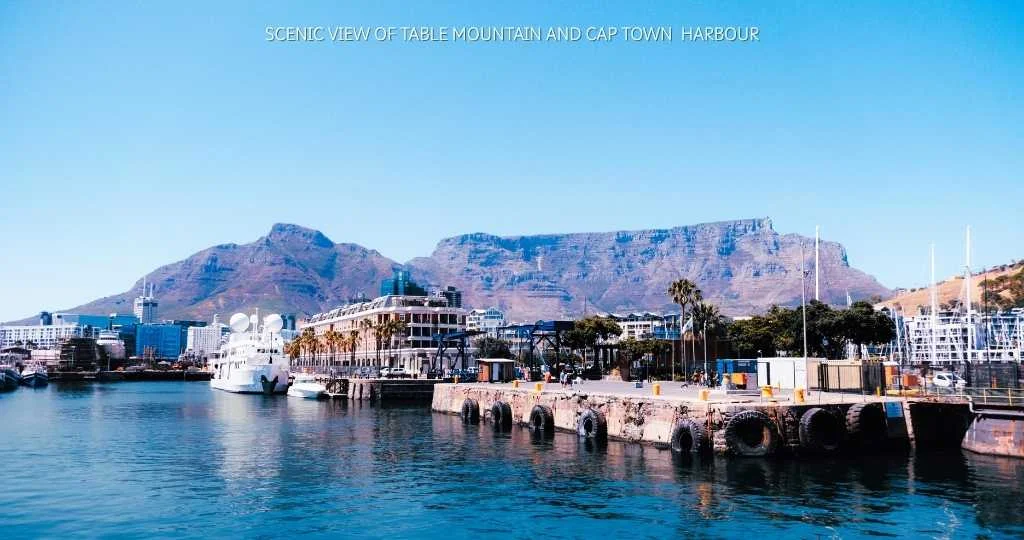
Table Mountain is the experience that defines Cape Town for most solo travelers — either via the rotating cable car from the lower station (book tickets online before you go, the queues are long and the cable car closes for wind more often than you’d expect) or via the Platteklip Gorge hiking trail that gains 700 meters of elevation in about two hours of steady climbing. At the summit, the 360-degree view delivers Cape Town, the Cape Peninsula, the Atlantic Ocean, and the distant Hottentots Holland Mountains simultaneously. It is the finest urban panorama in Africa and among the finest anywhere in the world.
The Bo-Kaap neighborhood — a hillside of brightly painted Cape Malay houses in cobalt, rose, chartreuse, and coral, directly above the city center — is best explored on foot in the early morning before the tour groups arrive. The neighborhood has been continuously inhabited by Cape Malay Muslim families since the 18th century. Lost in the alleys of Bo-Kaap, safety concerns can be swept away by thorough preparation — the neighborhood is charming and manageable when explored with awareness during daylight hours.
Robben Island — where Nelson Mandela spent 18 of his 27 imprisoned years — is reached by a 30-minute ferry from the V&A Waterfront and tours are led by former political prisoners. The guide who walks you through Mandela’s cell is not a history teacher reciting information. He is a man who lived inside that system, and the difference between those two things is the difference between reading about apartheid and understanding it. Book weeks in advance — tours sell out consistently.
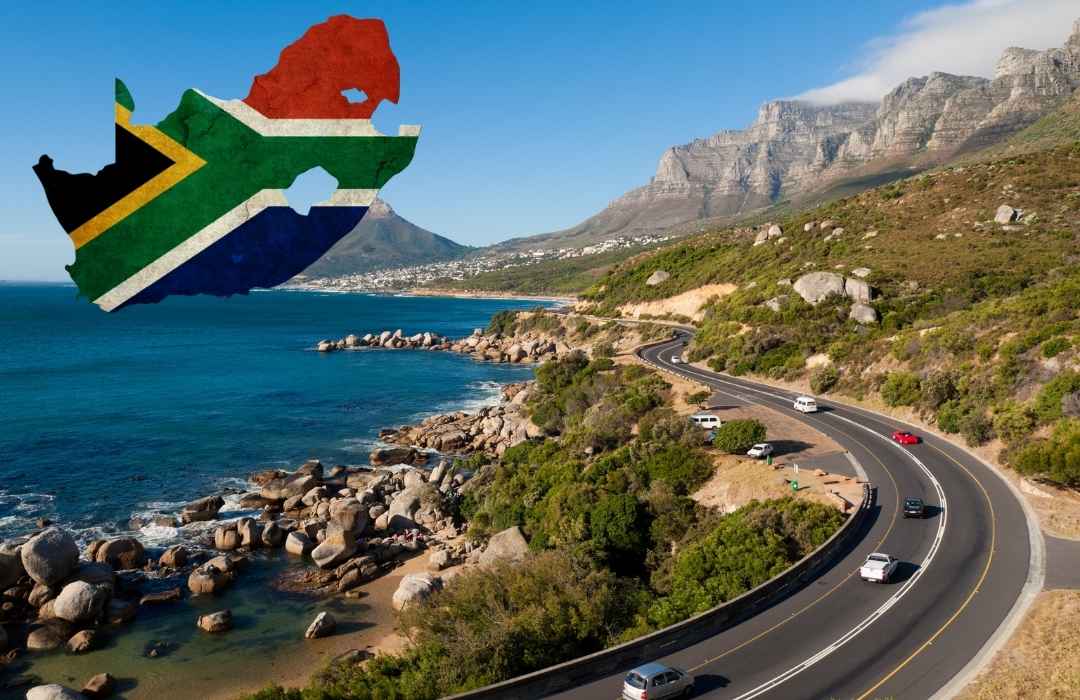
The Cape Peninsula drive — from Cape Town south through Hout Bay, across Chapman’s Peak (a coastal cliff road of extraordinary drama), to the Cape Point nature reserve at the tip of the peninsula, and back via Boulders Beach where a resident colony of African penguins live in complete indifference to tourists — is the finest day drive in South Africa and one of the finest anywhere in the world. Rent a car for this day. Drive it clockwise. Stop at Chapman’s Peak at sunset on your way back north.
For solo travelers in Cape Town: Camps Bay, Constantia, Stellenbosch, and the V&A Waterfront area are well-policed with strong tourism infrastructure. Stay in these areas. There are some areas — near the bus station, Long Street at night, and certain sections of the city center — that you would not walk alone, no matter what time of day. Get a local SIM card so you can always use Uber or Bolt rather than walking. Do not walk with your phone out, do not leave it on your table on a patio, do not have it out at the bar.
Average daily budget: $70–120 USD Solo-Friendly Rating: 8.5/10
“Cape Town is the city that makes you understand why people move across the world to live somewhere. Every morning the mountain is different — cloud-covered, clear, gold at sunset, silver at dawn. Every afternoon the ocean is different. The city beneath them is complicated and beautiful and demanding. I went for two weeks and started thinking about going back before I had finished unpacking.”
🇿🇦 Kruger National Park — The Safari Experience That Redefines What Travel Can Be
Regulated reserves like Kruger are among the safest environments in which to observe big game. Rangers and guides are hugely experienced and professionally trained, some are even armed where necessary, and they can read animal behavior. Game drives follow established rules that prioritize guest safety without disrupting wildlife. Luxury lodges in safari areas maintain high staff-to-guest ratios, have gated access, and control movement after dark. Guests are often escorted to and from suites at night in lodges where there are no fences.
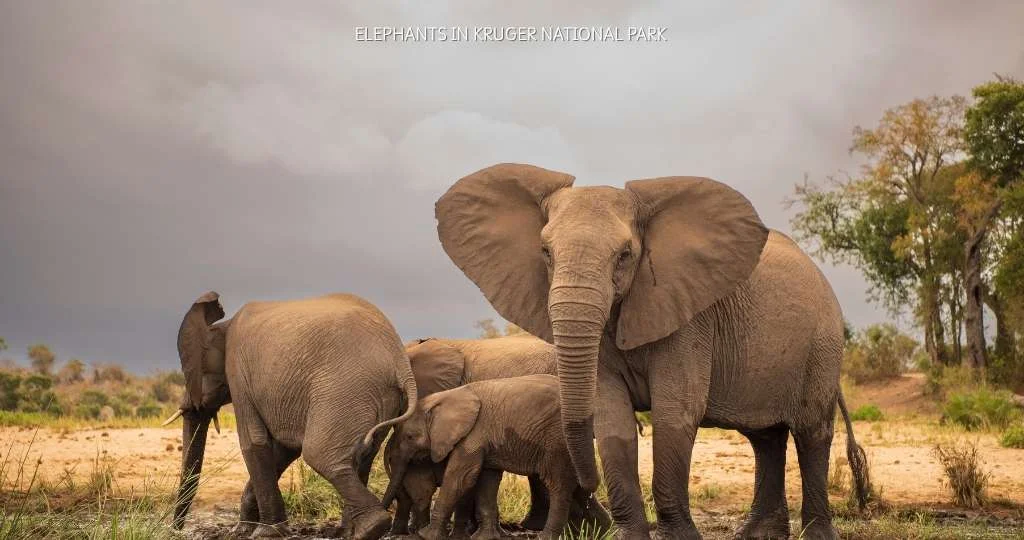
For the solo traveler, this is significant information: the safari environment is one of the lowest-risk travel contexts in South Africa precisely because it is the most structured and the most professionally managed. You are not navigating independently here. You are in a vehicle with an expert guide who understands the landscape, the animals, and the variables better than any amount of pre-trip research could prepare you for.
Kruger covers nearly two million hectares — larger than Wales, larger than Israel — and contains a biodiversity that rewards multiple days of slow, patient observation. The Big Five (lion, leopard, elephant, buffalo, and rhino) are all present, though leopard sightings require luck and patience that your guide’s 4am positioning routine is designed to maximize. The wild dogs — one of Africa’s most endangered predators, operating in complex social structures that make watching a pack hunt one of the most extraordinary wildlife experiences on earth — are present in Kruger in genuinely significant numbers.
The choice between self-drive and guided game drives defines the texture of your Kruger experience. Self-drive on Kruger’s well-maintained tar and gravel roads gives you complete freedom of pace and direction — a genuinely extraordinary way to spend a morning if you are comfortable in a vehicle and patient enough to stop, wait, and watch rather than drive to the next point. Guided game drives from the park’s rest camps or private lodges give you expert interpretation, better animal-finding instincts built from years on the same roads, and — at the luxury lodge end — the kind of off-road access and after-dark driving that transforms what you see.
Pro Tip for Solo Travelers: Stay at least two nights inside the park rather than at gateway hotels outside it. The sounds of Kruger after dark — lions roaring, hippos calling, hyenas laughing — are a sound experience unlike anything available anywhere else, and they belong entirely to the person who stays inside the fence rather than driving back through the gate at sunset.
Average daily budget: $80–200 USD (depending on self-drive camp vs private lodge) Solo-Friendly Rating: 9.5/10
“A leopard appeared on the road in front of our vehicle at 5:30am in Kruger. She walked toward us, passed the driver’s window at arm’s length, and disappeared into the grass without acknowledging us in any way. My guide had been positioning for this encounter since 4am. I had been traveling alone for eleven days. That moment — the cat, the grass, the early morning light — belonged completely to me and to no one else.”
🇿🇦 Johannesburg — The City That Demands Honesty and Rewards It
Johannesburg can be visited safely with a structured plan: stay in well-reviewed areas, use trusted transport, and avoid wandering into unfamiliar neighborhoods. Ask your accommodation for current, local guidance.
This is the honest framework for Johannesburg. The city has significant areas that are genuinely dangerous for independent solo travelers, and it also has neighborhoods of extraordinary cultural vitality, historical depth, and human warmth that reward the traveler who approaches them correctly.
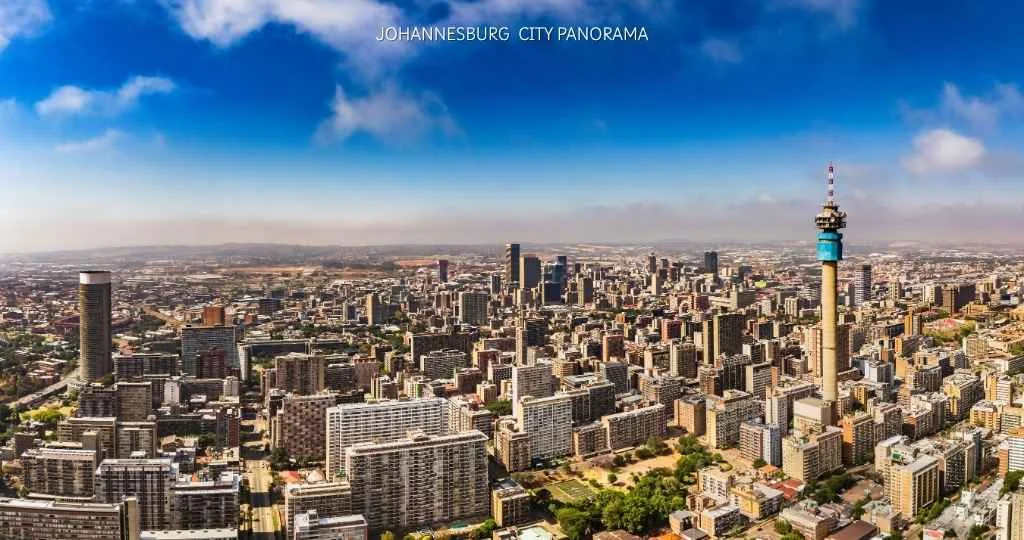
The Apartheid Museum is the most important cultural institution in South Africa and one of the most powerful museum experiences available anywhere in the world. It does not explain apartheid to you from the outside. It places you inside it — separating visitors by race at the entrance using their ticket classification, walking them through the physical, legal, and psychological machinery of systematic oppression through personal testimony, documentary footage, and artifacts that transform abstraction into lived reality. Allocate a full morning and leave with less certainty about comfortable assumptions than you arrived with. That is the correct response.
Soweto (South Western Townships) is best explored with a guided tour arranged through your accommodation — not because it is inherently unsafe, but because a local guide who grew up in Soweto provides the living context that no guidebook can replicate. My guided tour of Soweto with a passionate local guide whose personal account of apartheid and infectious generosity transformed this discovery into an unforgettable life lesson — the best guide I encountered in all of South Africa. Vilakazi Street in Orlando West — where Nelson Mandela and Desmond Tutu both lived, the only street in the world to have housed two Nobel Peace Prize winners — is the physical address of South Africa’s most important 20th-century story.
The Maboneng Precinct — a regenerated former industrial neighborhood in downtown Johannesburg — is where the city’s creative energy concentrates: galleries, independent restaurants, design studios, and street art that reflects the complex, self-aware, forward-looking version of South Africa that exists alongside and within the historical weight of everything else.
Get a local SIM card so you can always use Uber or Bolt rather than walking. Do not walk with your phone out. Travel And Tour World This applies in Johannesburg more than anywhere else in the country. The city rewards the solo traveler who moves through it purposefully and thoughtfully. It does not reward the one who wanders without a plan.
Average daily budget: $60–100 USD Solo-Friendly Rating: 7.5/10 (highest reward, highest preparation required)
🇿🇦 The Garden Route — The Most Forgiving Solo Drive in Southern Africa
The Garden Route region — Wilderness, Knysna, Plettenberg Bay — is well-policed with strong tourism infrastructure and consistently rated among the safest areas for international travelers in South Africa.
Stretching 300 kilometers along South Africa’s southern coastline from Mossel Bay to Storms River, the Garden Route is the destination where South Africa’s dramatic natural landscape is most accessible to a solo traveler moving independently. The towns are small enough to feel safe, the infrastructure is reliable enough to navigate confidently, and the scenery — forests meeting ocean, lagoons meeting mountains, beaches meeting no one — delivers the kind of unhurried beauty that solo travel does best.
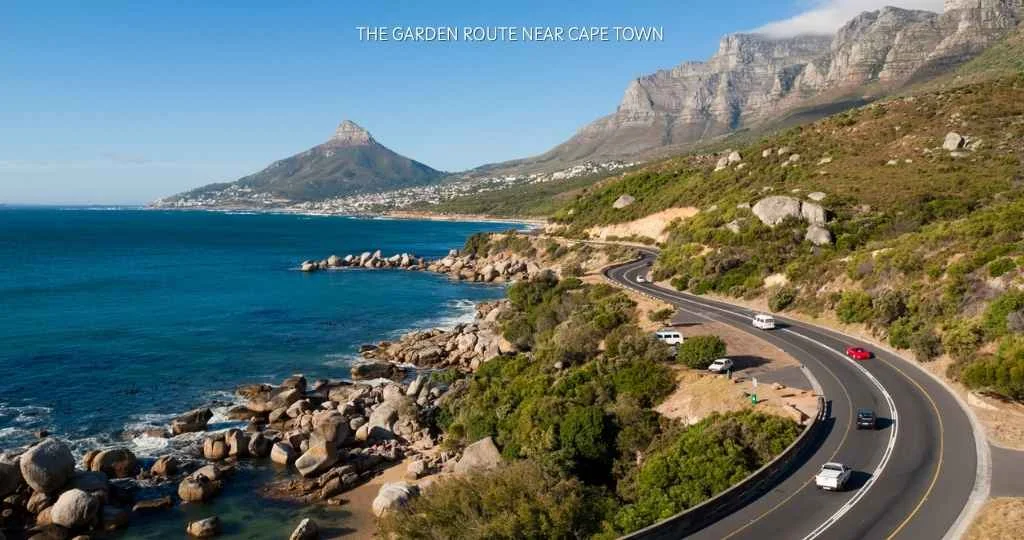
Tsitsikamma National Park, at the eastern end of the route, contains the Otter Trail — a five-day coastal hiking route considered one of the finest multi-day hikes in Africa. Five days of walking along the wild coast, sleeping in rustic huts, feeding on magnificent landscapes. This experience revealed an inner strength. The Otter Trail — it is one of those hikes that shows you who you actually are when the scenery is bigger than your thoughts. Book months in advance — the trail is limited to twelve hikers per day and fills up the day reservations open.
Knysna — a town built around a lagoon enclosed by two sandstone cliffs called the Heads — is the Garden Route’s social center: good restaurants, excellent accommodation across every budget, and the particular ease of a coastal town that has been welcoming independent travelers long enough to be genuinely comfortable with them. The lagoon cruise through the Heads at sunset is one of the most beautiful hour-long experiences on the route.
Baz Bus connects the major Garden Route towns on a hop-on-hop-off basis specifically designed for independent solo travelers and backpackers — an excellent option for the solo traveler who doesn’t want to drive, wants flexibility, and wants to meet other independent travelers at each stop.
Average daily budget: $55–90 USD Solo-Friendly Rating: 9.5/10
“The Garden Route is where South Africa stops demanding your vigilance and starts demanding only your attention. The forests, the ocean, the lagoon light at Knysna — these are not performances. They are simply South Africa at its most generous, available to anyone who drives slowly enough to notice.”
🇿🇦 Stellenbosch and the Cape Winelands — The Solo Traveler’s Unexpected Discovery
The Cape Winelands — Stellenbosch, Franschhoek, Paarl — are well-policed with strong tourism infrastructure and consistently rated among the safest areas for international travelers in South Africa.
The Cape Winelands produce wines that compete seriously with France and Italy, in a landscape of mountain-ringed valleys and oak-lined streets that looks like Provence transported to Africa and made slightly more beautiful. Stellenbosch — the second oldest town in South Africa, its Cape Dutch architecture intact along streets of 300-year-old oak trees — is the most livable small town in the country and the one that solo travelers most consistently describe as feeling unexpectedly like home.
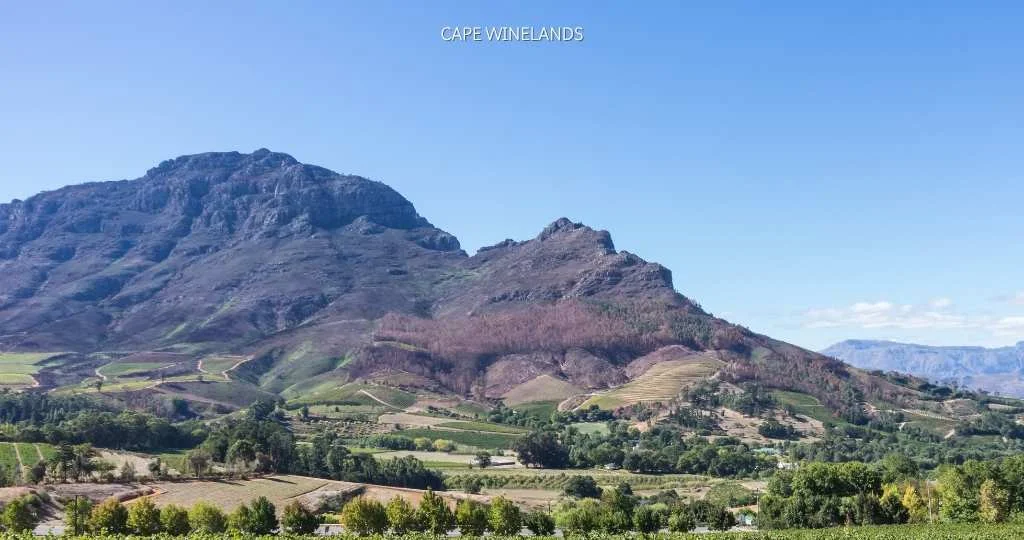
For the solo traveler, the winelands offer something the rest of South Africa sometimes makes difficult: the freedom to move slowly and openly without constant vigilance. Walking the Stellenbosch streets, stopping at a wine estate for a tasting paired with local charcuterie, eating lunch at a restaurant that would hold its own in any European city, cycling between estates in the afternoon light — these are the hours that balance the intensity of Cape Town and the emotional weight of Johannesburg and Soweto. They are not lesser experiences. They are the counterpoint the trip needs.
Franschhoek — a village settled by French Huguenot refugees in the 17th century, its wine estates named after their original proprietors’ French origins — has the finest restaurant concentration in South Africa. Eating alone at a good Franschhoek table is one of the finest solo travel pleasures the country offers, and the wine-to-quality-of-food ratio makes it among the best-value fine dining experiences in the world.
Average daily budget: $60–100 USD Solo-Friendly Rating: 9.5/10
🇿🇦 The Drakensberg Mountains — The Landscape That Earns Its UNESCO Status
The Drakensberg range — the Great Escarpment of southern Africa — stretches for over a thousand kilometers along the eastern edge of the country and provides the most dramatic high mountain landscape in Africa south of Kilimanjaro. Royal Natal National Park, in the northern Drakensberg, contains the Amphitheatre: a five-kilometer basalt wall rising 1,200 meters from the plateau floor, down which the Tugela Falls — the second highest waterfall in the world — drops in five successive cascades. You can hike to the base in three hours. You can hike to the top in six. Both are among the finest day hikes in southern Africa.
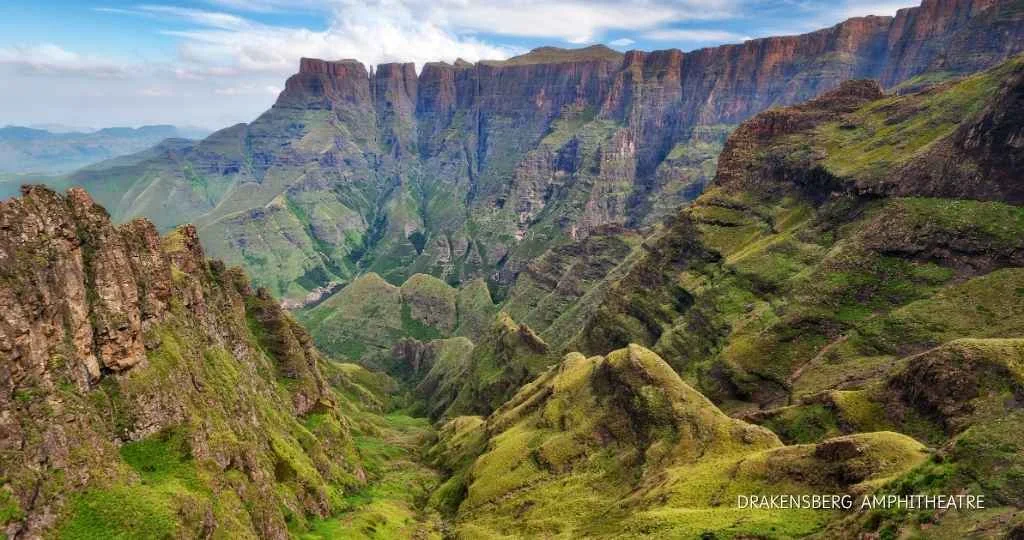
The Drakensberg’s San rock art — created by the San Bushmen over thousands of years in the sandstone caves and overhangs of the range — constitutes the world’s largest rock art collection, depicting hunting scenes, trance visions, and daily life with a naturalistic skill that modern observers consistently describe as more sophisticated than they expected. A guide who understands the San cosmology transforms these paintings from ancient graffiti into a comprehensive visual theology.
For the solo traveler, the Drakensberg functions as the destination where South Africa’s complexity falls away and its natural grandeur becomes the whole story. For hikes, choose popular routes and go with others when possible. The mountain weather changes fast and altitude-related risks are real on the higher routes. Stay in the mountain lodges and guesthouses that dot the range rather than self-catering accommodation — the staff know the current trail conditions, the weather patterns, and the routes that are genuinely safe for solo hikers.
Average daily budget: $50–85 USD Solo-Friendly Rating: 9/10
The ElitTrip South Africa Solo Traveler Overview
| Destination | Best For | Avg Daily Budget | Solo-Friendly Rating |
|---|---|---|---|
| Cape Town | Urban beauty, culture, Peninsula | $70–120 | 8.5/10 |
| Kruger National Park | Safari, Big Five, wildlife | $80–200 | 9.5/10 |
| Johannesburg | History, Apartheid Museum, Soweto | $60–100 | 7.5/10 |
| Garden Route | Coastal drive, hiking, freedom | $55–90 | 9.5/10 |
| Stellenbosch / Winelands | Wine, calm, beauty | $60–100 | 9.5/10 |
| Drakensberg Mountains | Hiking, rock art, altitude | $50–85 | 9/10 |
Getting Around South Africa Alone: What Actually Works
Domestic flights connect South Africa’s major cities reliably and affordably. The Cape Town to Johannesburg route is one of the world’s busiest domestic corridors and fares booked well in advance are genuinely reasonable. For the solo traveler connecting Johannesburg to Kruger and Cape Town in a single itinerary, flying saves days of overland travel without sacrificing any of the experiences that matter.
Car rental transforms the Garden Route and the Cape Peninsula from good experiences into extraordinary ones. South Africa drives on the left, roads are well-maintained in tourist areas, and the independence of having a vehicle means you stop when something beautiful appears rather than when a bus schedule permits. Rural highways are managed and maintained well, but night driving between remote towns is not advised due to livestock left out to roam and limited lighting. Drive in daylight. Always.
Uber and Bolt operate reliably in Cape Town, Johannesburg, and Durban. Get a local SIM card so you can always use Uber or Bolt rather than walking. These rideshares are safe. This is the single most important transport decision a solo traveler makes in South Africa’s cities — using these apps rather than walking after dark, rather than flagging street taxis, removes the highest-risk transport scenarios entirely.
Baz Bus is the hop-on-hop-off backpacker bus that connects Cape Town with Johannesburg via the Garden Route and Drakensberg. For solo travelers without a car who want flexibility and the company of other independent travelers, it is the most practical and social way to cover this route. The Baz Bus community has a long track record of being the primary way solo travelers meet each other in South Africa.
Practical Solo Travel Tips for South Africa in 2026
When to go
May to September is the dry season — prime time for Kruger safaris (South Africa safaris), when the reduced vegetation brings animals to waterholes and concentrates viewing dramatically. October to April brings the green season, heavy summer rains in the north and east, and the best conditions for Cape Town and the Garden Route. Carry water and sun protection for outdoor days.
Health
Depending on which regions you are traveling to, you may need a prescription for malaria pills — your travel consultant will let you know. Carry a travel first aid kit containing the basics plus anti-gastro and anti-nausea pills. Kruger and the Limpopo region require malaria prophylaxis. Cape Town, the Garden Route, and the Winelands do not. The Western Cape is malaria-free.
Money
South Africa’s currency is the South African Rand (ZAR). Be cautious at ATMs — use machines in busy, well-lit areas inside shopping centers or banks rather than freestanding street ATMs. Cards are widely accepted in tourist areas. Carry some cash for tips, small purchases, and areas where connectivity is unreliable.
Connectivity
Mobile data helps you book rides, navigate without looking lost, message accommodations, and adjust plans quickly. It is a practical safety tool — especially in cities and during transit days. Buy a local Vodacom or MTN SIM card at the airport immediately on arrival. It is the single most useful purchase of your trip.
For solo female travelers specifically
My non-negotiable safety rules: never hike alone, prioritize organized groups. Avoid walking alone after 5pm, even in tourist areas. Maintain a low profile by hiding jewelry and high-end phones. Use a secondary phone for outings and always keep emergency cash. And above all, trust your instincts — if something seems wrong, leave immediately.
South Africa is safe for solo female travelers who follow sensible precautions and stay in recommended areas. Cape Town, the Garden Route, Hermanus, Franschhoek, and safari destinations are particularly suitable for women traveling alone. Join guided hikes, cooking classes, or group tours to explore safely and meet people.
FAQ: South Africa Solo Travel Guide
Is South Africa worth visiting given the safety concerns?
Yes, many people travel in South Africa safely every day — including first-timers, families, and solo travelers. Safety and connectivity are linked in very practical ways: booking a ride instead of walking, confirming directions without looking lost, messaging your accommodation, and checking live updates. Do that, and you are far more likely to spend your time on what you came for: landscapes, wildlife, food, and a truly special travel experience. Google
What is the single biggest safety mistake solo travelers make in South Africa?
Walking by themselves after dark. Venturing into an area that felt sketchy. Being careless with their belongings. Having a gut feeling and ignoring it. The solo travelers who have had problems in South Africa almost universally saw it coming. The ones who haven’t are the ones who trusted their instincts and moved accordingly.
Can I do a South Africa safari completely alone without joining a group?
Yes — both self-drive safaris in Kruger’s rest camps and privately booked guided safaris from smaller lodges accommodate solo travelers comfortably. The solo safari experience at a well-chosen small lodge (six to eight guests maximum) is consistently rated among the best solo travel experiences in the world — intimate game drives, shared dinners with interesting travelers, and the particular magic of the African bush at night from a camp where animals move freely outside the fence.
How long should a first solo trip to South Africa be?
Twelve to fourteen days minimum for a meaningful circuit: three nights Cape Town and Peninsula, two nights Winelands, two nights Garden Route, two nights Kruger, two nights Johannesburg and Soweto. This covers South Africa’s essential range without moving so fast that you experience nothing deeply.
Final Thought: What South Africa Gives the Solo Traveler Who Goes Prepared
Your loved ones will say you’re insane. Some of their concerns are founded. And this should not stop you from discovering this extraordinary country.
There is a specific thing that South Africa does to the solo traveler who arrives prepared and stays aware. It strips away the comfortable assumption that travel is easy. It replaces it with the understanding that travel is rewarding in direct proportion to what it asks of you — and South Africa asks more than most, which means it gives back more than most.
The elephant crossing the road in Kruger at 5am. The leopard that walked past the driver’s window and disappeared into the grass. Table Mountain at sunset with the two oceans visible simultaneously. The former political prisoner explaining Robben Island from inside the cell where Nelson Mandela spent eighteen years. The Drakensberg Amphitheatre in morning mist. Franschhoek at lunch with wine that costs less than a sandwich in London and tastes like somewhere specific and irreplaceable.
None of these experiences require a companion. All of them feel more personal without one. South Africa can be a safe, unforgettable trip when you travel with intention. Choose your neighborhoods carefully, use reliable transport at night, keep valuables low-profile, and plan ahead. Do that, and you are far more likely to spend your time on what you came for. Google
A solo elite trip to South Africa does not promise you comfortable. It promises you completely, irreducibly alive.
Go. Go prepared. Come back knowing yourself better than when you left.
ElitTrip is built for travelers who go alone. Read our complete Africa solo travel series — Morocco, Tunisia, Egypt, Algeria, and South Africa — written for the independent traveler who goes without a safety net and finds one inside themselves.
Want to Share Your Experience?
Have you traveled using one of our guides or found inspiration here?
👉 Share your experience in the comments or send us your story
Your insights help other travelers plan more thoughtful, rewarding journeys.
Latest Reviews
There are no reviews yet. Be the first one to write one.