Solo Adventure Travel: The Complete Guide to Life-Changing Trips for One + Free Solo Travel Safety Checklist
Solo Elite Trip · elitetrip.de
TL;DR: Solo adventure travel is the fastest-growing travel format for a reason — it forces full engagement, removes social buffers, and produces the kind of experiences that actually change how you think. This guide covers what makes adventure travel genuinely transformative when you do it alone, which destinations deliver it best, how to choose the right intensity level for where you are right now, what things cost, and how to prepare without over-planning. No vague inspiration. Just useful information.
Table of Contents
What Solo Adventure Travel Actually Is — and Isn’t
Solo adventure travel is not defined by how extreme the activity looks in a photo. It is defined by how fully you are required to engage with what is happening around you.
A solo traveler who spends four days trekking through Kyrgyzstan’s Tian Shan mountains is doing adventure travel. So is the person who navigates the Algerian Sahara on a small group desert expedition. So is the person who hikes alone through Patagonia for a week with no one to hand the decisions to but themselves.
What these experiences share is not difficulty level. It is the quality of attention they demand. You cannot be on autopilot in genuinely unfamiliar terrain. You cannot scroll your phone when you need to read weather conditions, follow a trail marker, or communicate with a local guide whose English is limited. That enforced presence is precisely what makes solo adventure travel different from a holiday.
Solo travel offers a taste of real freedom through the ability to go where you want, when you want, and explore how you want. In adventure contexts specifically, that freedom has weight behind it — every decision is yours, every outcome traces back to your preparation and judgment, and every unexpected moment belongs entirely to you.
What solo adventure travel is not:
- Reckless travel without preparation
- Travel that requires extreme fitness or prior expedition experience
- Travel that is only for extroverts who want to meet people constantly
- Travel that requires you to be fearless — preparation matters far more than courage
Why Solo Changes the Adventure Experience Completely
The same destination delivers a different experience depending on whether you are alone or in a group. This is not a minor variation. It is structural.
| Factor | Group Adventure Travel | Solo Adventure Travel |
|---|---|---|
| Decision-making | Negotiated, compromised | Entirely yours |
| Social energy | Directed inward to group | Opens outward to locals |
| Pace | Set by the slowest or majority | Set by you, adjusted in real time |
| Problem-solving | Shared, often diffused | Personal, immediate, confidence-building |
| Memory | Filtered through group narrative | Unmediated, specific to your experience |
| Vulnerability | Buffered by companions | Present — and productive |
Solo travel allows you to meet and mingle with interesting new people and grow personally. Without anyone else to rely on, you can grow, expand, and discover what you’re capable of on your own.
The vulnerability point deserves more than a bullet point. When you are alone in an unfamiliar environment — whether that is a desert camp in Algeria, a mountain pass in Nepal, or a remote coastal trail in Iceland — you are exposed to the experience in a way that group travel prevents. That exposure is uncomfortable in the early hours of any serious adventure trip. It becomes the thing you value most by the time you return home.
“The most powerful solo trips are not the ones where everything went smoothly. They are the ones where something went differently than planned, and you handled it.” — consistent finding among experienced solo travelers
The Solo Adventure Travel Index 2026: Where to Go
The Solo Travel Index 2026, compiled by adventure travel experts who analysed booking trends, traveller feedback, meal costs, visa accessibility, Global Peace Index scores, and biodiversity data, identified the 26 best countries for independent travellers seeking adventure.
Here are the destinations that consistently rank highest specifically for solo adventurers — with entity-level specifics, not vague country names.
Kyrgyzstan — Best for Solo adventure travel destinations Who Want Genuinely Off-Grid
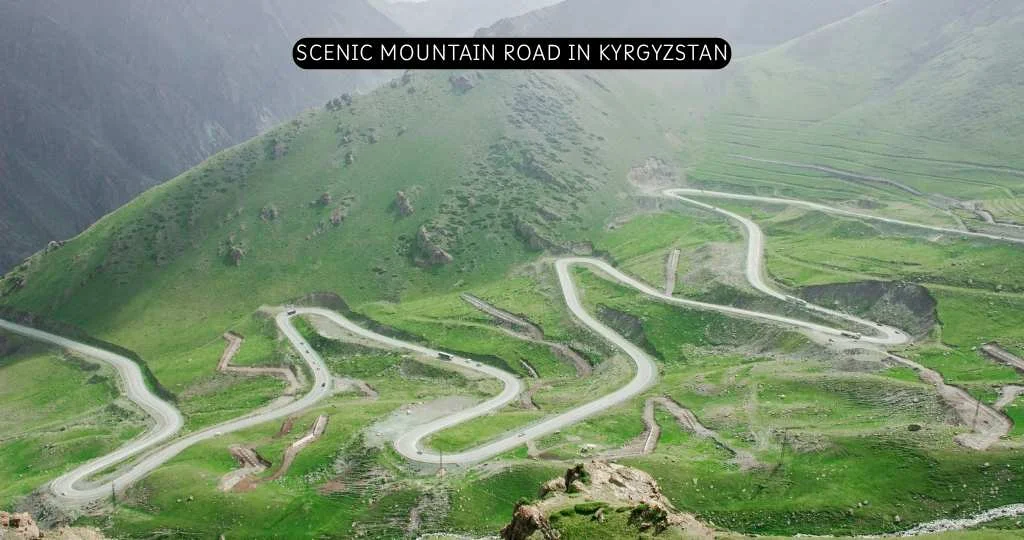
Kyrgyzstan topped the Solo Travel Index 2026, overtaking Italy. Known for its high mountain passes, alpine lakes, and nomadic culture, the country offers authentic off-the-grid experiences alongside affordable costs, with average meals around £4.50.
For solo travelers, Kyrgyzstan works because the adventure infrastructure is built around small groups and individual visitors, not mass tourism. You are not competing with cruise ship crowds at any point.
Specific places and experiences:
- Issyk-Kul Lake — one of the largest alpine lakes in the world, ringed by the Tian Shan mountains. Kayaking on the lake, staying in a yurt camp on the eastern shore near Karakol, and waking up at altitude with no phone signal represents the specific quality of solitude that Kyrgyzstan delivers.
- Skazka Canyon — red-rock formations near the southern shore of Issyk-Kul, reaching 50 metres high and eroded into shapes that look deliberately architectural. No entry fee, rarely crowded, completely walkable alone.
- The Markha Valley Trek — a 5–7 day trail through remote villages, high passes, and Buddhist monasteries. The trail is clear, local guesthouses (homestays) exist at intervals, and solo trekkers regularly complete it without a guide. Locals along the route are accustomed to providing food and shelter.
Pro Tip: Bishkek’s Osh Bazaar is the best single place in Central Asia to stock a trekking pack at local prices before heading into the mountains. Dried fruit, nuts, local bread, and basic hiking supplies cost a fraction of what you would pay at an outdoor retailer at home. Spend a morning there before any multi-day trip.
Budget: €35–60/day (yurt homestays ~€15–20/night including meals, local food ~€3–6/meal)
Patagonia (Argentina/Chile) — Best for Solo Hikers Who Want Maximum Reward
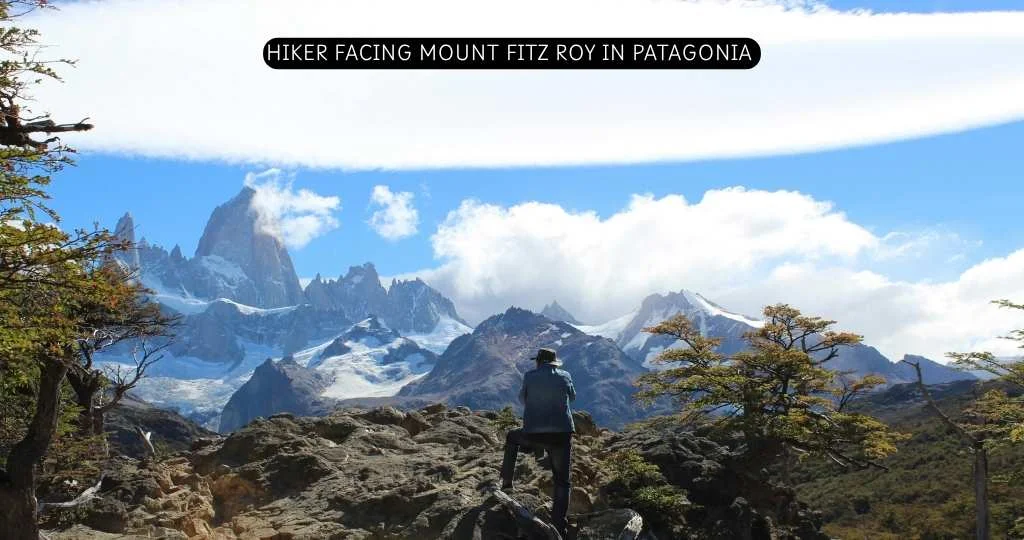
Solo adventurers make epic trips from hikes around the jagged peaks of the Patagonian Torres del Paine. Torres del Paine National Park in Chilean Patagonia is the most organised wilderness hiking destination in South America — which, for solo travelers, means trail infrastructure exists without the destination feeling commercialised.
Specific places and experiences:
- The W Trek (Torres del Paine) — a 4–5 day circuit covering the park’s signature landscapes: the towers, the French Valley, and Grey Glacier. Solo trekkers book refugios (mountain huts) or campsites in advance online. The booking system is robust; the trail itself is well-marked and safe for experienced solo hikers.
- El Chaltén, Argentina — the self-proclaimed trekking capital of Argentina, built around access to Mount Fitz Roy and Cerro Torre. Trails leaving directly from town are free to access, clearly marked, and range from three-hour day hikes to multi-day options. The town has a strong solo traveler community, and the hostels here are among the most socially alive in South America.
- Perito Moreno Glacier — one of the few advancing glaciers on earth, accessible from El Calafate via public bus. The walkway system along the glacier face is self-guided, free after park entry, and lets you spend as long as you want watching ice calve into the lake below.
Pro Tip: Wind in Patagonia is not weather — it is a participant in your trip. The famous Patagonian wind regularly reaches 100km/h on exposed sections of the W Trek, strong enough to knock you sideways. Pack a windproof outer layer that is genuinely windproof, not wind-resistant. The difference matters physically.
Budget: €70–120/day (refugio accommodation ~€40–70/night, meals in El Chaltén ~€12–20)
https://www.elitetrip.de/algeria-desert-travel-guide-sahara-landscapes/ — Best for Solo Travelers Who Want Silence and Scale
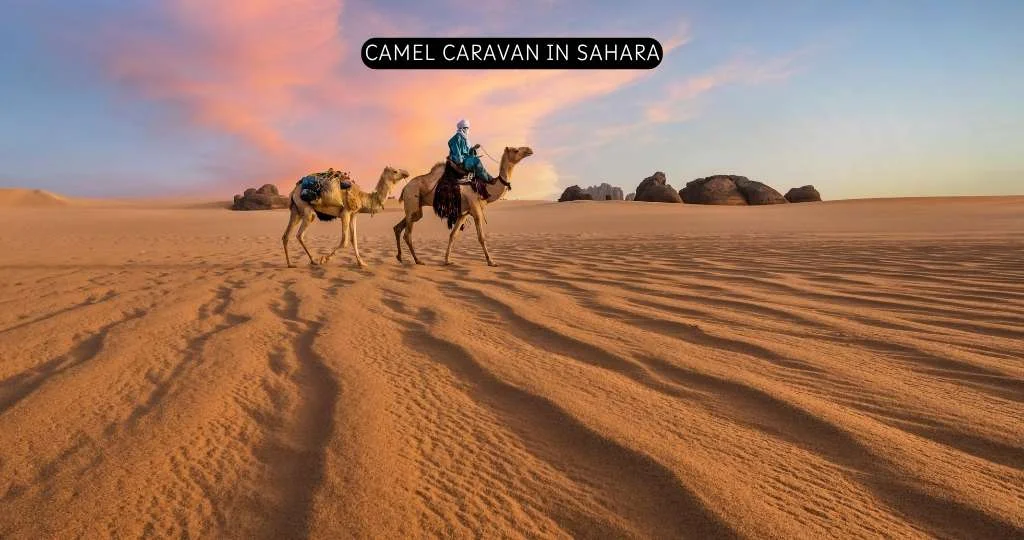
The Solo travel Algeria desert is one of the most undervisited major desert environments on earth, and for solo travelers willing to use a local guide network, it delivers an experience of scale and stillness that more accessible destinations cannot replicate.
The Tassili n’Ajjer plateau in southeastern Algeria — a UNESCO World Heritage Site — contains one of the world’s largest collections of prehistoric rock art, sandstone arches that dwarf anything in the American Southwest, and a silence that becomes physically noticeable within hours of arrival. This is not an exaggeration. When there is no wind and you are far from any road, the Sahara is genuinely, completely quiet.
Specific places and experiences:
- Djanet — the gateway town for Tassili n’Ajjer. All desert excursions require a licensed Tuareg guide by Algerian law, which for solo travelers operates as useful infrastructure rather than a restriction. Your guide knows where water exists, which routes are passable after rain, and which rock art sites are significant versus frequently photographed.
- The Erg Admer — a sea of dunes southwest of Djanet that most Algeria itineraries include for sunset and overnight camping. The experience of sleeping in the open desert with no light pollution is something that photographs consistently fail to represent adequately.
- Tadrart Rouge — the red sandstone massif south of Djanet with dramatic natural arches, ancient engravings, and virtually no tourist infrastructure. You access it by 4WD with a guide, camp wild, and cover ground on foot.
Pro Tip: The best Algerian Sahara experience happens in November through February, when daytime temperatures are 20–28°C and nights are cold enough to require a sleeping bag. March through September, temperatures regularly exceed 45°C in the shade. This is not a destination where you push through the heat.
Budget: €80–130/day all-in with guide, 4WD transport, camp food (solo travelers typically join small groups of 2–5 to share guide costs)
Nepal — Best for Solo Trekkers at Any Experience Level
Nepal’s trekking infrastructure is the most solo-traveler-optimised in the world. Teahouse trails mean you do not need to carry a tent or food — you walk between villages where accommodation and meals are available every few hours. You can be an absolute beginner on the Annapurna Circuit and have a safe, extraordinary experience.
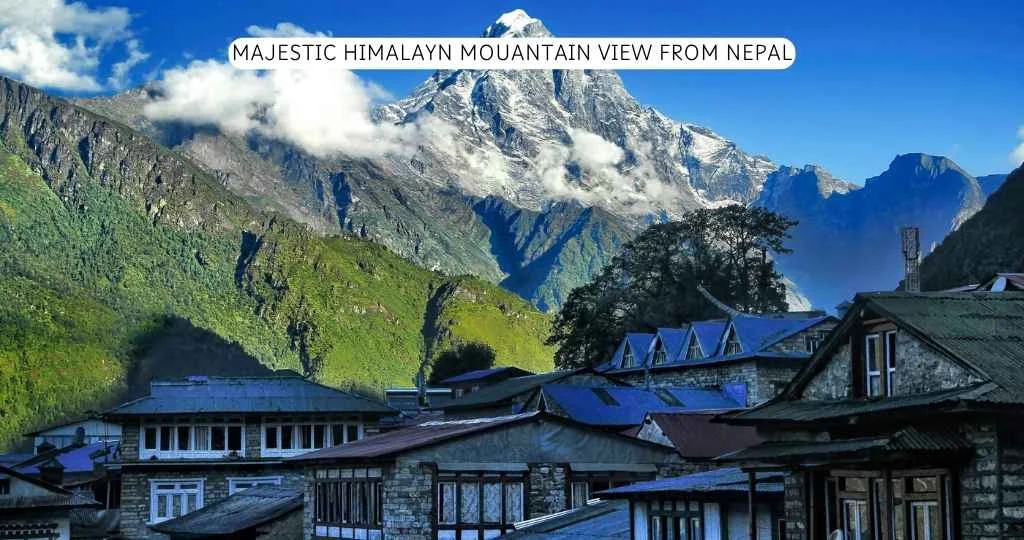
Specific places and experiences:
- Annapurna Circuit — 10–21 days depending on which sections you walk, passing through subtropical forests, terraced rice fields, high alpine terrain, and the 5,416-metre Thorong La pass. Solo trekkers complete this route every day without guides. The teahouse network means you are never more than 3–4 hours from hot food and a bed.
- Poon Hill — a 3–4 day option from Pokhara for solo travelers who want a high-altitude sunrise viewpoint (3,210 metres) without committing to a full circuit. The trail is clear, heavily used by solo travelers from all over the world, and gives you Annapurna views that the longer trek takes eight days to reach.
- Pokhara — the base city for Annapurna treks and one of the most socially active solo traveler hubs in Asia. Lakeside Pokhara, specifically around Phewa Lake, has hostels, gear rental shops, permit offices, and the highest concentration of other solo trekkers you will encounter anywhere in Nepal.
Pro Tip: Get your ACAP (Annapurna Conservation Area Permit) and TIMS card in Pokhara before you leave, not at the trailhead. The office in Pokhara is straightforward, cheap (approximately $30 total), and open early. The alternative is queuing at Nayapul, which wastes your first morning of walking.
Budget: €25–45/day trekking (teahouse room + two meals ~€15–25/day depending on altitude)
Namibia — Best for Self-Drive Solo Adventure – Epic solo travel adventures
Namibia is one of very few African countries where self-drive solo travel works reliably and safely — roads are well-maintained, distances are long but manageable, campsites are organised, and the landscape is so extraordinary that spending days driving through it alone with no particular agenda is itself the experience.
Specific places and experiences:
- Sossusvlei and Deadvlei — the orange dunes of the Namib Desert, with the white clay pan of Deadvlei containing dead camel thorn trees that have stood for 900 years. Arrive at the gate at opening time (sunrise) and you will have the pan largely to yourself for the first hour. By 9am the tour buses have arrived.
- Fish River Canyon — the second-largest canyon in the world, 160km long and up to 550 metres deep. The viewpoint trail along the rim is free, self-guided, and takes several hours to walk completely. The overnight hike into the canyon requires a permit and is only open May through September.
- The B1 Highway driving route — the north-south spine of Namibia, connecting Windhoek to Etosha National Park. Solo drivers cover this on tar road with clear signage, fuel available at intervals, and the kind of landscape — flat, vast, almost nothing — that produces a specific altered state after three hours of driving.
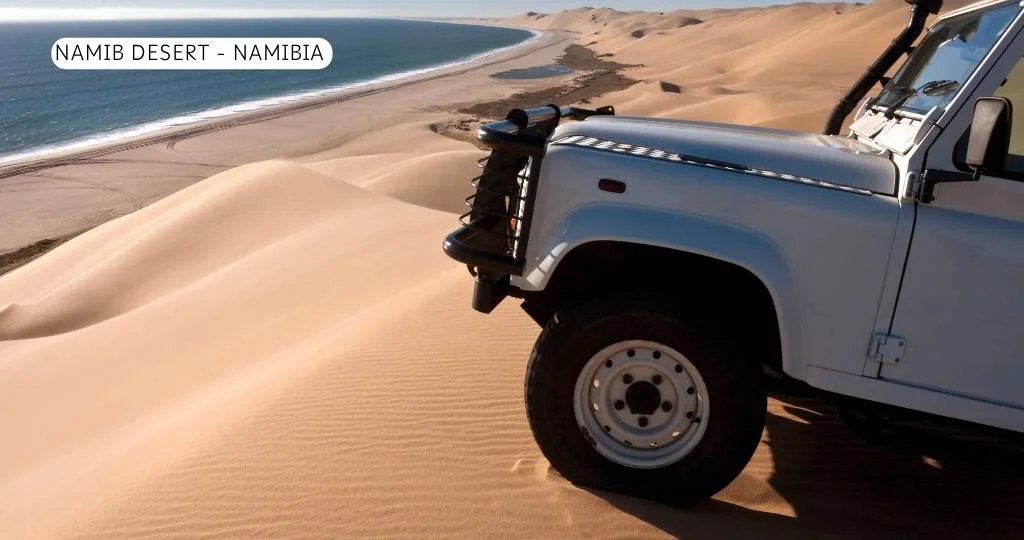
Pro Tip: Fuel in Namibia is not always available where the map suggests a town. Download an offline fuel station map before leaving Windhoek. Carrying an extra 20-litre jerry can is not paranoia — it is the difference between a planned itinerary and an unplanned night in the scrub.
Budget: €80–130/day (rental car ~€50–70/day, campsites ~€15–25, self-catered food)
Choosing Your Solo Adventure Level: An Honest Framework
Not every solo traveler is ready for every adventure. The most common solo adventure travel mistake is choosing a destination or activity at the wrong intensity level for where you currently are.
| Level | Profile | Suitable Destinations | What to Expect |
|---|---|---|---|
| First solo adventure | Some travel experience, new to solo | Nepal teahouses, Costa Rica, Iceland ring road | Clear infrastructure, other solo travelers nearby, manageable challenge |
| Developing solo adventurer | Comfortable alone, wants more depth | Kyrgyzstan homestays, Patagonia W Trek, Morocco desert | Requires preparation, less predictable, local guide support useful |
| Experienced solo adventurer | Self-sufficient, problem-solver, comfortable with risk | Algeria Sahara, remote Namibia self-drive, Mongolia horse trek | Genuine uncertainty, limited rescue infrastructure, high reward |
| Expert solo traveler | Expedition mindset, technical skills | Antarctica, remote Himalayan routes, Papua New Guinea highlands | Maximum commitment, specialist equipment, serious planning |
Be honest about where you sit. The traveler who overestimates their level and struggles in the Algerian desert is not having an adventure — they are having a bad time. The traveler who underestimates and takes a guided Iceland itinerary when they were ready for Kyrgyzstan misses the depth of experience they were capable of.
Experiences That Make Solo Adventure Travel Genuinely Transformative
The destination matters. The experience design matters more.
Multi-Day Expeditions: Why Duration Changes Everything
Spending four or more consecutive days in one environment produces a different psychological state than any number of single-day experiences. The first day is logistics and orientation. The second is adjustment. By the third, your body has regulated to the rhythm of the environment — when the light changes, when the temperature drops, what sounds are normal — and you begin to be genuinely present rather than observing from a slight remove.
Multi-day experiences that specifically work for solo adventurers:
- Multi-day desert camel treks (Algeria, Morocco, Jordan’s Wadi Rum) — the pace of a camel enforces slowness in a way that no other transport does. Solo travelers consistently describe the enforced deceleration as the most valuable part.
- Hut-to-hut mountain trails (Tour du Mont Blanc, Dolomites Alta Via routes, Norway’s Hardangervidda) — walking between refuges with a pack, seeing the same landscape change from multiple angles over several days, creates a relationship with terrain that single-day hikes cannot produce.
- River journeys (Mekong slow boat, Amazon tributary, Zambezi) — moving by water at the river’s pace, stopping where the river suggests rather than a schedule demands, is one of the most effective formats for solo reflection.
Community-Based Stays: The Social Dimension of Solo Adventure
Staying in small family guesthouses, village homestays, and community lodges connects you to daily life in ways that hotels — however good — cannot. For solo adventurers, this is where the cultural depth of the trip is actually created.
A homestay in a Kyrgyz yurt camp means sharing meals with the family, watching how the animals are managed at dawn, and having conversations — however limited by language — that leave specific, named memories. You remember the family’s name. You remember what they gave you for breakfast. You remember the particular quality of the evening light on the mountains from their doorway.
That specificity is what solo adventure travel at its best produces. Not general impressions of a country, but particular moments with particular people.
Solo vs. Guided vs. Small Group: Which Works Best?
This is not a binary choice. The best solo adventure travel often combines all three modes.
| Mode | Best Used When | Watch Out For |
|---|---|---|
| Fully independent | Destinations with clear infrastructure (Nepal teahouses, Patagonia trails) | Overconfidence in genuinely remote terrain |
| Local guide hired | Destinations with language barriers or permit requirements (Algeria, Mongolia) | Guides who restrict rather than enable your experience |
| Small group join | When you want social contact without losing solo freedom | Group pace or itinerary that does not match your level |
The key is not choosing one mode for the whole trip but using each where it serves you best. Many experienced solo adventurers travel independently to a base, hire a local guide for specific terrain, then spend evenings alone or with other travelers.
Solo Adventure Travel Safety: What the Data Shows
Adventure travel carries real risk that generic travel does not. Understanding that risk specifically — rather than generally — is what allows you to manage it.
The Global Peace Index 2025 (produced by the Institute for Economics and Peace, available at visionofhumanity.org) ranks countries on safety metrics useful for planning. Top-tier countries for solo adventure travel that also score well on safety include Iceland, New Zealand, Georgia (Caucasus), Kyrgyzstan, and Namibia.
The actual risks in adventure travel:
| Risk Category | Reality | Mitigation |
|---|---|---|
| Altitude sickness | Genuine danger above 3,500m, onset unpredictable | Ascend slowly, know symptoms, carry diamox if recommended |
| Navigation error in remote terrain | Primary cause of solo trekking incidents | Download offline maps, tell someone your route |
| Weather exposure | Hypothermia and heat illness both kill fit people | Check forecasts, carry emergency shelter, know your exit points |
| Transport accidents | Leading cause of travel-related deaths globally | Assess road/driving conditions honestly, avoid night driving in remote areas |
| Medical emergencies far from care | Appendicitis, fractures, anaphylaxis | Travel insurance covering helicopter evacuation is non-negotiable |
Travel insurance for solo adventurers is not optional. Standard travel insurance excludes most adventure activities by default. Read your policy’s activity exclusions before you travel, not after the incident. Policies from providers specialising in adventure travel (check World Nomads and True Traveller as starting points) explicitly cover trekking, mountaineering, desert expeditions, and other activities that standard policies exclude.
Pro Tip: Before any multi-day trek or expedition, share your exact itinerary — trail names, campsite names, expected daily end points, emergency contacts — with someone at home who will raise an alert if you do not check in as planned. This costs nothing and is the most important safety system available to solo adventurers.
Planning a Solo Adventure Trip: A Practical Framework
Define Intensity Before Destination
Most people do this backwards — they choose a destination (Nepal, Patagonia, Sahara) and then figure out what intensity level they are comfortable with. The smarter approach is to answer three questions first:
- How much physical discomfort am I genuinely comfortable with? (Not how much I think I should be comfortable with — how much I actually am.)
- How do I respond to genuine uncertainty? (When plans fail, do I problem-solve or freeze?)
- What do I want to come back with? (A sense of physical achievement, a cultural experience, solitude and reflection, or all three?)
Your honest answers point more directly to the right destination than any list.
Build a Loose Structure, Not a Full Schedule
The ratio that works for most solo adventurers: plan 70% of the trip (accommodation, major transport, permits that require advance booking), leave 30% open. The open time is where the best moments happen — the detour, the conversation, the extra day that a place earns.
Over-planning solo adventure travel is the most common preparation mistake. It produces anxiety when the plan changes (and it will change), removes spontaneity, and signals to yourself that you do not trust your own judgment in the field.
Permits, Regulations, and Booking Windows
Some of the best solo adventure destinations require advance planning specifically because of permit systems:
| Destination | What Requires Advance Booking | Lead Time |
|---|---|---|
| Torres del Paine W Trek | Refugio beds and campsites (peak season fills months ahead) | 3–6 months |
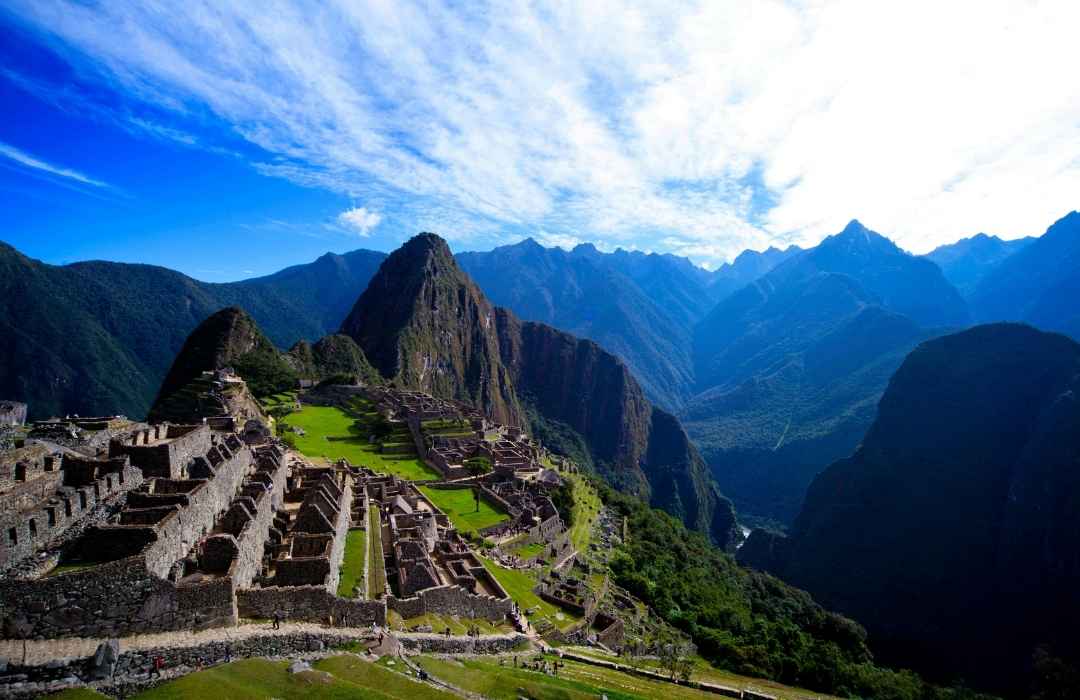
| Machu Picchu, Peru | Entry tickets with specific time slots | 1–3 months |
| Tassili n’Ajjer, Algeria | Mandatory licensed guide arrangement | 4–8 weeks |
| Gorilla trekking, Rwanda/Uganda | Permits ($1,500/Rwanda) | 3–6 months |
| Annapurna Circuit, Nepal | ACAP + TIMS permit (same-day available in Pokhara) | None required |
Budget Reality for Solo Adventure Travel
Solo adventure travel is rarely cheap per day. The single supplement on accommodation, the cost of hiring individual rather than shared guides, and the expense of serious outdoor gear all push solo adventure budgets higher than leisure travel equivalents. Understanding this before you book removes the frustration of arriving underprepared financially.
| Destination | Budget/Day | Mid-Range/Day | What Drives Cost |
|---|---|---|---|
| Nepal (trekking) | €25–45 | €50–80 | Altitude increases prices; permits add ~$30 upfront |
| Kyrgyzstan | €35–60 | €70–100 | Remote transport is expensive; food is very cheap |
| Patagonia | €70–120 | €120–180 | Refugio accommodation is fixed-price and non-negotiable |
| Algeria Sahara | €80–130 | €130–200 | Mandatory guide, 4WD, and camp costs are bundled |
| Namibia | €80–140 | €150–220 | Rental car is the primary cost driver |
The gear investment reality: If you are beginning serious adventure travel, a one-time investment in quality kit — waterproof jacket, trekking poles, reliable boots, sleeping bag rated for your destination — costs €400–800 and serves you across multiple trips. Renting or buying cheap gear that fails on a remote trail is expensive in more than monetary terms.
FAQ – Solo Adventure Travel
Is solo adventure travel appropriate for first-time solo travelers?
It depends entirely on the destination and activity level. Nepal’s Poon Hill trek, the Iceland Ring Road, and Costa Rica’s national parks are genuinely accessible for first-time solo travelers with moderate fitness. The Algerian Sahara, remote Patagonian circuits, and off-trail mountain environments require previous experience of both solo travel and the activity type. Be honest about which category you are in.
How do I meet other solo adventurers on the road?
The most consistent answer: stay in hostels with communal spaces in adventure base towns (Pokhara, El Chaltén, Bishkek, Queenstown), join the free walking tours that exist in every major city, and book onto group activity days (guided hikes, multi-day treks, surf lessons) where other individual travelers show up for the same reason. Without anyone else to rely on, you tend to be more approachable alone, and you are also more likely to reach out to locals and fellow travelers. The social reality of solo adventure travel is that you meet more people, not fewer, than group travelers.
What if something goes wrong on a remote adventure?
Preparation is your primary risk management tool. Share your itinerary with someone at home. Carry a personal locator beacon (PLB) or satellite communicator (Garmin inReach is the industry standard) for any serious backcountry travel. Know basic wilderness first aid. And hold evacuation insurance that covers your specific activities — this is not a nice-to-have, it is structural.
How do I know when I am ready for more challenging solo adventure travel?
When you can navigate a city where you do not speak the language without significant anxiety, adapt plans when they change without it ruining your trip, and solve logistical problems on the fly without needing to call someone — you are ready to move up a level. The specific skills that solo adventure travel develops are exactly the skills it requires.
What is the single most important thing to pack for solo adventure travel?
A mindset that accepts discomfort as information rather than failure. After that: a headlamp (always), water purification tablets, an offline map of your destination, your insurance documents accessible digitally, and a note of your accommodation address and local emergency number on something that does not require a charged battery to read.
The Solo Adventurer’s Honest Final Word – life-changing solo travel experiences
The experiences described in this guide do not all go smoothly. The desert gets hotter than you expected. The trail is longer than the map suggested. The guide speaks less English than the booking confirmed. The weather window closes.
None of those things prevent the trip from being life-changing. In most cases, they are what make it life-changing.
Solo adventure travel works not because it is easy but because it is yours. The decisions, the problems, the unexpected gifts of landscape or conversation or weather — all of it belongs entirely to you. You carry it back undiluted by anyone else’s experience of the same events.
Nepal has a way of making everyday life feel very small — in the best possible way. Every destination in this guide produces its own version of that effect. The Saharan silence. The Patagonian wind. The altitude of the Himalayas at dawn. The Namibian sky with no light pollution. Each one is a recalibration — not dramatic, not permanent, but real.
That is what solo adventure travel is actually for.
Solo Elite Trip · elitetrip.de Written for independent solo travelers.
🧳 Get Your Free Solo Travel Safety Checklist — the exact step-by-step guide smart solo travelers use to stay safe, confident, and fully prepared on their first trip. Download it now and travel with peace of mind.
You’ll also love:
- Safety Solo Travel Tips for Introverts in the US
- 6 Epic and Safe Destinations Solo travel for women
- 15 Safety Solo Travel Tips for Female Travelers in the US
- solo travel tips on a budget: How I Traveled to 10 Countries Alone
- 35 Good Vacation Places to Add to Your Traveling Bucket List (By Travel Style, Season & Budget)
- Solo Travel in Tanzania
- Morocco Solo Travel Guide: The ElitTrip Honest Guide for Travelers Who Go Alone
Want to Share Your Experience?
Have you traveled using one of our guides or found inspiration here?
👉 Share your experience in the comments or send us your story
Your insights help other travelers plan more thoughtful, rewarding journeys.
Latest Reviews
There are no reviews yet. Be the first one to write one.