Kenya Safari Solo Travel Guide: The ElitTrip Honest Guide for Travelers Going Alone in 2026
There is a moment on a Kenya safari that no travel writer adequately prepares you for.
Not the first lion sighting, though that is extraordinary.
Not the Great Migration river crossing, though that will rearrange your understanding of what natural spectacle means. It is the moment — usually on the second morning, usually in the early light just after 6am when the savanna is still cool and slightly golden — when you realize that you are entirely, irreducibly alone in the middle of one of the most alive landscapes on earth, with a guide beside you who has spent twenty years reading this place, and that the experience belongs to nobody else. Not a group. Not a partner. Just you. This guide is for the traveler who is ready for that moment.
Table of Contents
Why Kenya Is the Best First Solo Safari Destination on Earth
Kenya consistently offers a strong balance between wildlife access, tourism infrastructure, and price point that is hard to beat anywhere else on the continent.
That balance is the reason Kenya works so specifically well for solo travelers. Other African safari destinations — Botswana’s Okavango Delta, Rwanda’s gorilla forests, Tanzania’s Selous — offer extraordinary experiences, but they require either significantly higher budgets, more complex logistics, or a level of safari experience that first-time independent travelers don’t yet have. Kenya is the country that gives you world-class wildlife, professional infrastructure, English spoken everywhere, domestic flights that work, and a safari guide culture so deeply professional that your safety and your experience are simultaneously well-managed from the moment you land.
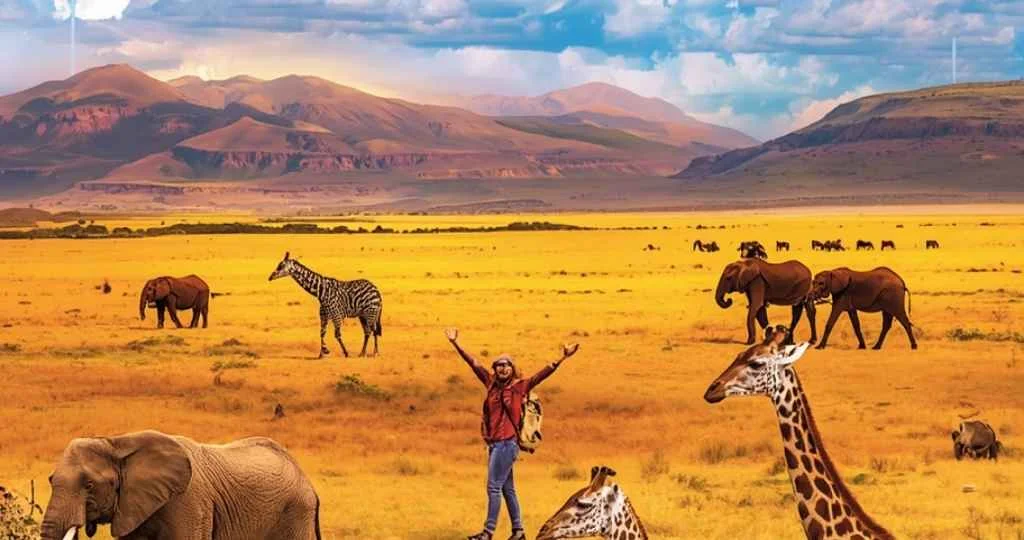
Kenya offers solo travelers a perfect blend of adventure, Kenya wildlife safaris, and safety. With solo-friendly lodges in Maasai Mara, Laikipia, and Mount Kenya, expert guides, and flexible itineraries, a 2026 solo safari guarantees unforgettable encounters with the Big Five, hot air balloon rides, and primate trekking tailored to independent travelers.
Kenya is safe for solo travelers in general. The locals are friendly and hospitable, and English is widely spoken. That combination — a deeply established tourism culture, English as the working language of the safari industry, and a national economy that has powerful incentives to protect international visitors — creates the foundation that makes Kenya the smartest entry point into solo African safari travel.
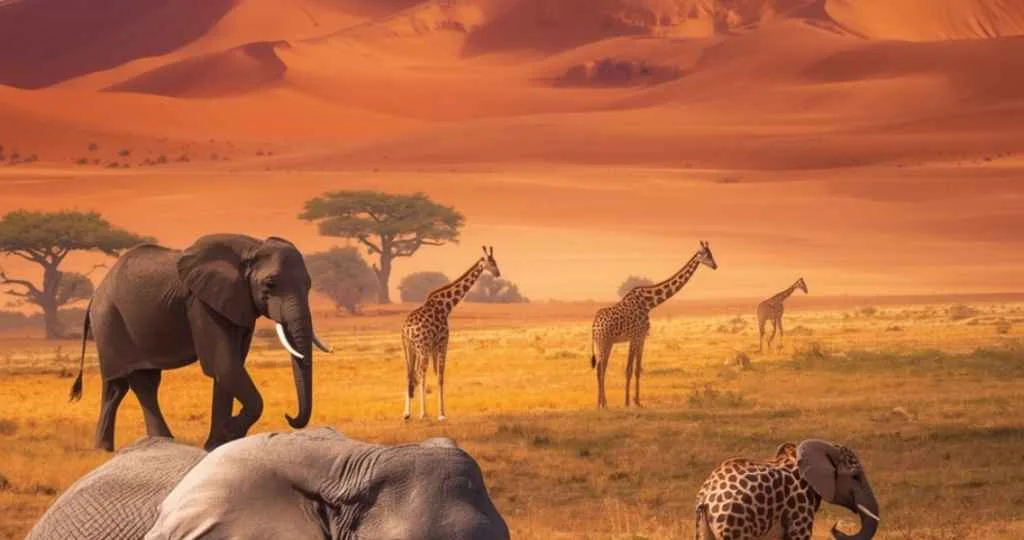
Kenya offers some of the highest concentrations of lions, elephants, giraffes, zebras, and cheetahs anywhere in Africa — and this Kenya wildlife safaris density is what makes every game drive a genuinely unpredictable, genuinely extraordinary experience rather than a lottery that occasionally pays out.
The Honest Safety Picture for Solo Travelers in Kenya in 2026
Kenya Safari Solo Travel Guide
Kenya is one of Africa’s most established tourism destinations and is used to international visitors. Solo safari travel is particularly safe because everything is organized and guided. Millions of travelers visit Kenya every year for unforgettable Kenya wildlife safaris, landscapes, and culture and most leave wondering why they ever worried.
The U.S. State Department rates Kenya as Level 2: Exercise Increased Caution. The UK FCDO publishes similar and regularly updated guidance for British travelers. Beyond that, trust the people on the ground. Your rental company, driver guide, or campsite host knows the current road conditions better than any website. Local knowledge beats online reports almost every single time.
Here is the practical safety distinction that most guides miss entirely: there is an enormous difference between safari Kenya and urban Kenya, and understanding that difference changes everything about how you approach the trip.
Kenya’s main safari destinations are considered very safe. Crime targeting tourists in safari areas is extremely rare. Most travelers stay in lodges or tented camps with 24-hour security, gated access, and professional staff. In short, safari travel in Kenya is one of the safest ways to experience Africa. Google
Most safari camps are unfenced, but guests are safeguarded by 24-hour Askari security who keep a lookout for animals and escort guests around the camp after dark or when wildlife has been sighted nearby. All guests receive a safety briefing on arrival, and safari guides are extensively trained in animal behavior and predicting their movements.
The safari environment is structurally one of the lowest-risk travel contexts in Africa precisely because it is the most professionally managed. You move with an expert. You sleep inside a secured perimeter. Your meals are prepared to international safety standards. The wildlife is the only genuine variable — and your guide’s job, executed over years of experience on these specific roads, is to ensure that variable remains exciting rather than dangerous.
Nairobi is a different conversation. Nairobi is a modern, fast-growing global city, and like any major city in the world, it has areas where extra caution is needed. Most visits to Nairobi are trouble-free when using normal big-city precautions. Google Use Uber or Bolt rather than street taxis. Stay in Westlands, Karen, or Gigiri neighborhoods rather than the city center. Keep your phone in your pocket in busy areas. These are the same precautions you would take in any major city anywhere in the world — applied with the specific awareness that Nairobi requires them more consistently than most.
Although there is a long-standing travel advisory from the US State Department, it relates to very specific and strictly non-tourist areas — mostly in the distant east of the country. These places are far from safari circuits and beach resorts and are not included in normal travel itineraries.
The Single Most Important Decision of Your Kenya Safari Solo Trip
Kenya Safari Solo Travel Guide
Before destinations, before itineraries, before packing lists — the decision that determines the quality of your entire Kenya safari solo experience is this: who is your guide?
Kenyan safari companies must register with the Tourism Regulatory Authority. This registration ensures compliance with safety and service standards. Unlicensed operators often cut corners and create risks. Professional operators proudly share their credentials without hesitation. Experience plays a vital role in safari quality — established operators understand wildlife behavior, road conditions, and park regulations. Local guides add exceptional value through cultural insights and tracking skills. Experienced teams adapt quickly to unexpected changes, transforming ordinary game drives into extraordinary encounters.
The best way to stay safe on a Kenya safari is simple: follow guidelines, especially guidelines and tips from your allocated safari guide. By doing this it will keep you from so much trouble and problems.
The guide is not an optional add-on for the solo traveler who wants to feel more independent. The guide is the mechanism through which the safari works at all. A guide who has spent fifteen years driving the same roads in Maasai Mara or Amboseli knows which pride of lions was active this morning, which section of the Mara River is most likely to produce a wildebeest crossing this afternoon, and which track through the acacia forest will put you in front of a leopard at 7am. That knowledge is not in any guidebook. It cannot be downloaded. It exists only in the accumulated experience of someone who has been doing this their entire professional life.
Solo travelers often gain priority access to wildlife sightings during early-morning drives — a private vehicle with a single traveler can position faster and more quietly than a shared vehicle with six passengers, giving solo travelers a genuine wildlife-viewing advantage.
Choose your operator through verified reviews from solo travelers specifically. A small private vehicle — four-seat maximum, ideally just you and the driver-guide — gives you the flexibility to stay at a sighting for as long as you want, to change direction when your guide reads something in the landscape, and to have the kind of conversation about what you are seeing that transforms a wildlife spectacle into a genuine education.
The Best Kenya National Parks for Solo Safari Travelers: A Destination by Destination Guide
🇰🇪 Maasai Mara National Reserve — The Safari That Defines All Others
The Maasai Mara is one of the most wildlife-dense areas on Earth and hosts the Great Wildebeest Migration — one of the genuinely awe-inspiring natural spectacles that still stops people in their tracks.
The Mara is where Kenya safari solo travel delivers its most concentrated and most overwhelming experience. The reserve covers 1,510 square kilometers of open savanna, acacia woodland, and river forest along the Mara and Talek rivers — a landscape that has remained structurally unchanged for millions of years and that supports wildlife densities that no other ecosystem on earth can match in terms of variety and accessibility.
The Big Five are all present and regularly sighted. A morning at the Mara River, followed by half-day game drives, yields a lion with its kill, a leopard with her baby, hippos in the river, huge herds of elephants, troops of baboons, giraffes, and hyenas — sometimes all within the same morning. The Mara is not a place where you drive for hours hoping to see something. It is a place where your guide positions the vehicle before dawn at a location where he knows a lioness has been hunting, and you sit in the quiet pre-sunrise dark and wait for the light to arrive and show you Africa as it has always been.
The Great Wildebeest Migration is a clockwise circling of the vast Serengeti-Mara ecosystem, following the rains. Around one and a half million wildebeest, accompanied by hundreds of thousands of zebras and gazelles, move in a massive circuit between Tanzania’s Serengeti and Kenya’s Maasai Mara, following seasonal rains and fresh grass.
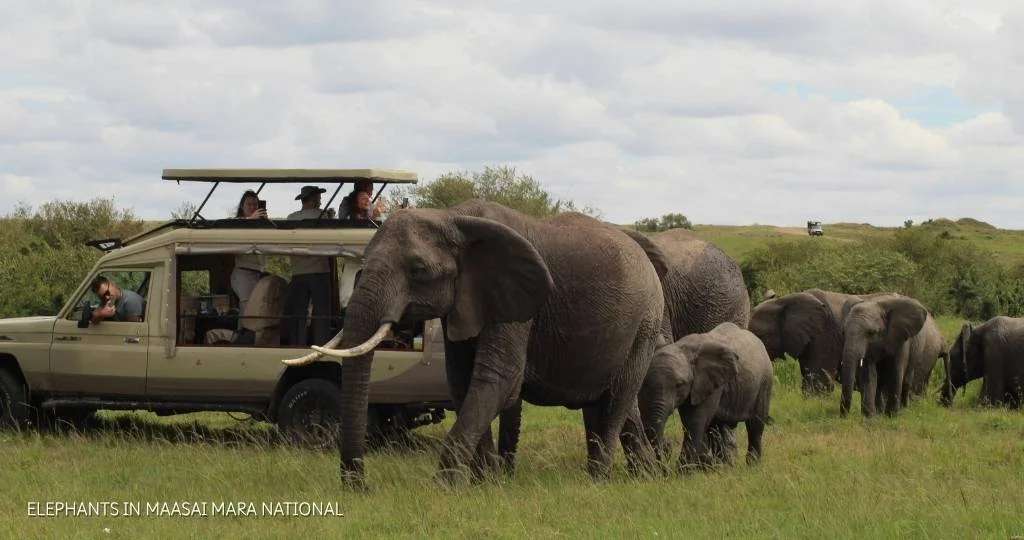
The dry winter months of June to August mark the best time to visit the Maasai Mara National Reserve. The lack of rain means low grass offers amazing game viewing opportunities. July is also the time to witness the Great Migration Kenya — thousands of wildebeest thundering across the Mara River from the Serengeti National Park in Tanzania.
The river crossing is the single most dramatic wildlife event available to a traveler anywhere on earth. The Maasai Mara wildebeest migration is well documented and experienced guides know the river crossing spots and patterns well. Book 12–18 months in advance for peak migration season lodges. Position matters — lodges on the Mara River give you the best crossing access. Stay at least four to five nights because crossings don’t happen every day — you need time. Knowing which crossing point to position at is half the game, and your guide’s experience is the mechanism that gets you there.
For solo travelers, the Mara’s private conservancies — Mara North, Olare Motorogi, Naboisho, and Ol Kinyei surrounding the national reserve — offer something the reserve itself cannot: off-road driving capability and night game drives. Inside the national reserve, vehicles must stay on designated tracks and night drives are prohibited. In the conservancies, your guide can take the vehicle anywhere the terrain allows, and evening drives reveal the Mara’s predator activity in a completely different dimension. The conservancies also operate at dramatically lower vehicle densities than the main reserve — giving you sightings that feel genuinely private rather than shared with fifteen other vehicles.
The Maasai people still maintain their traditional lifestyle in the Mara region, and the conservancies are a shining example of positive collaboration between local communities and tourism. Visiting the Mara gives you an appreciation for Maasai culture and a local way of life, interacting with communities who have coexisted with the wildlife for centuries.
A visit to a Maasai village — arranged through your lodge rather than independently — is one of the most genuine cultural exchanges available to a solo traveler in Kenya. The Maasai warrior who explains his culture, his relationship with the land, and the extraordinary coexistence between his people and the wildlife surrounding them is not performing for tourists. He is describing a way of life that has remained essentially unchanged for centuries and that offers a perspective on human relationship with the natural world that the modern traveler almost never encounters.
Solo traveler pro tip: Solo travelers can request private fly-camp experiences for exclusive wildlife immersion. A private fly-camp — a small, temporary camp set up deep in the conservancy away from any lodge — is the most immersive solo safari experience available in Kenya. One tent, one guide, one firelit dinner, one night surrounded by the sounds of the African savanna with no other travelers within kilometers. That experience is available to the solo traveler in a way it is essentially not available to anyone traveling as part of a group.
Entry fees: The cost to enter the Masai Mara National Reserve is $100 per adult January to June and $200 per adult July to December. Factor this into your daily budget.
Average daily budget: $150–350 USD (depending on camp category) Solo-Friendly Rating: 10/10
“The wildebeest crossing happened without warning. One moment the north bank of the Mara River was empty. The next, the ridge above it was black with animals — tens of thousands of wildebeest packed so tightly you couldn’t see individual bodies, only movement. Then the first ones entered the water and the crocodiles materialized from nowhere and the noise that forty thousand animals make when they are simultaneously terrified and compelled is a sound I will hear for the rest of my life. I was alone in the vehicle with my guide. Nobody to turn to. Nobody to share the shock with. It was completely mine.”
🇰🇪 Amboseli National Park — The Elephant Park Beneath Kilimanjaro
Amboseli gives you those iconic views of elephants with Kilimanjaro in the background. It’s the best place in Africa to photograph elephants up close.
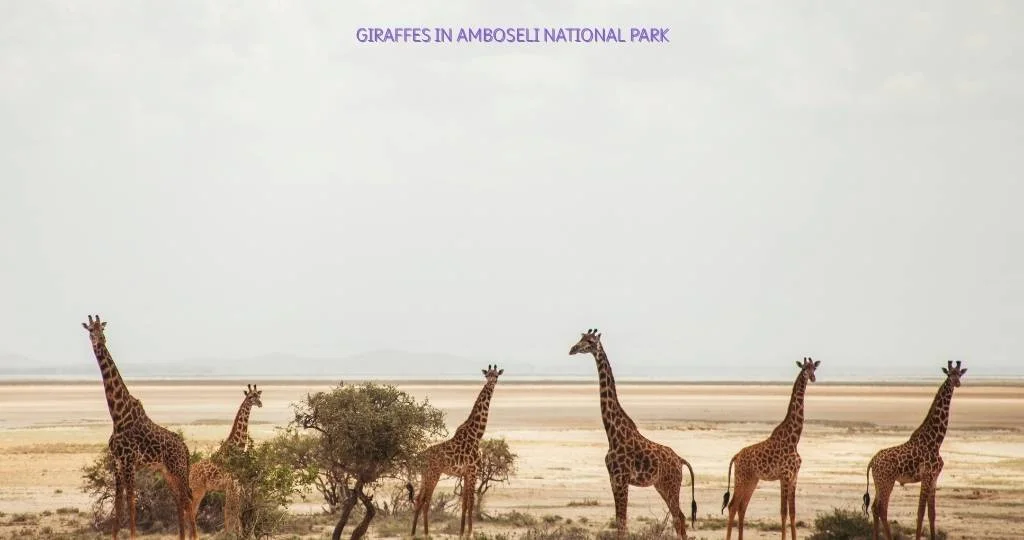
Amboseli is the park that produces Kenya’s most recognizable images — vast-tusked elephant bulls moving across dusty plains with the snow-capped summit of Kilimanjaro rising 5,895 meters behind them, the mountain’s glacier visible on clear mornings from 40 kilometers away across the Tanzanian border. This is not a composite image. It is what you see on your second morning in Amboseli when your guide positions the vehicle correctly and the light comes in low and golden from the east and the mountain is clear above the cloud line and an elephant family of thirty animals moves through the open plain fifty meters from your window.
Amboseli’s elephant population is one of the most studied in the world — the Amboseli Elephant Research Project has been tracking individual elephants and their family groups continuously since 1972, making this the longest running elephant field study in history. The elephants here are entirely habituated to vehicles and will walk within meters of a stationary 4×4 without altering their behavior. The multi-generational family groups — matriarchs who have been navigating this landscape for forty years, their daughters, their granddaughters, the young bulls testing their authority — are the finest elephant viewing available anywhere in Africa.
The swamps fed by underground water from Kilimanjaro’s glaciers create the Amboseli ecosystem: year-round water in a predominantly arid landscape that concentrates wildlife in ways that make game viewing consistently excellent regardless of season. Lions, cheetahs, large herds of buffalo, zebras, wildebeest, and over 400 bird species all use the swamp edges and surrounding plains in patterns that your guide has spent years learning.
Average daily budget: $120–280 USD Solo-Friendly Rating: 9.5/10
🇰🇪 Lake Nakuru National Park — Flamingos, Rhinos, and the Rift Valley
Lake Nakuru sits in Kenya’s Great Rift Valley, a depression of geological drama that runs 6,000 kilometers from Syria to Mozambique and that created the landscape on which human evolution took its first steps. The national park surrounding the lake is Kenya’s most important rhino sanctuary — both black and white rhinos are present in significant numbers, and the park’s fenced perimeter makes rhino sightings more reliable here than at any other Kenya national park.
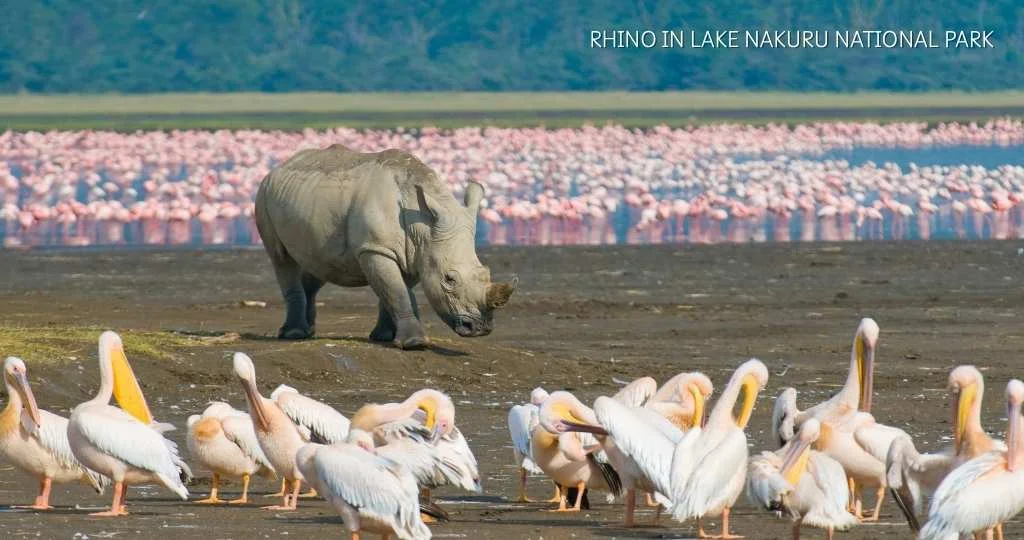
The flamingos that have made Lake Nakuru globally famous — hundreds of thousands of lesser flamingos that turn the lake’s shore pink in the distance and then reveal themselves up close as individual birds of extraordinary elegance when your guide drives the perimeter track — are present year-round, though their numbers fluctuate dramatically with algae levels. When conditions are right, a million flamingos on a Rift Valley lake at dawn is a wildlife spectacle that no other continent can produce.
The elevated viewpoints above the lake — Baboon Cliff and Lion Hill — provide panoramic views of the entire park: the lake below, the flamingo shoreline, the yellow fever acacia forest, the Rift Valley escarpment rising on the opposite side. For the solo traveler with a camera, Nakuru’s viewpoints are among the finest landscape photography positions in Kenya.
Average daily budget: $90–180 USD Solo-Friendly Rating: 9/10
🇰🇪 Samburu National Reserve — Where Kenya’s Rarest Species Live
Samburu is home to species you simply won’t see elsewhere in East Africa. American guests love Samburu because it feels wilder and more off-the-beaten-path.
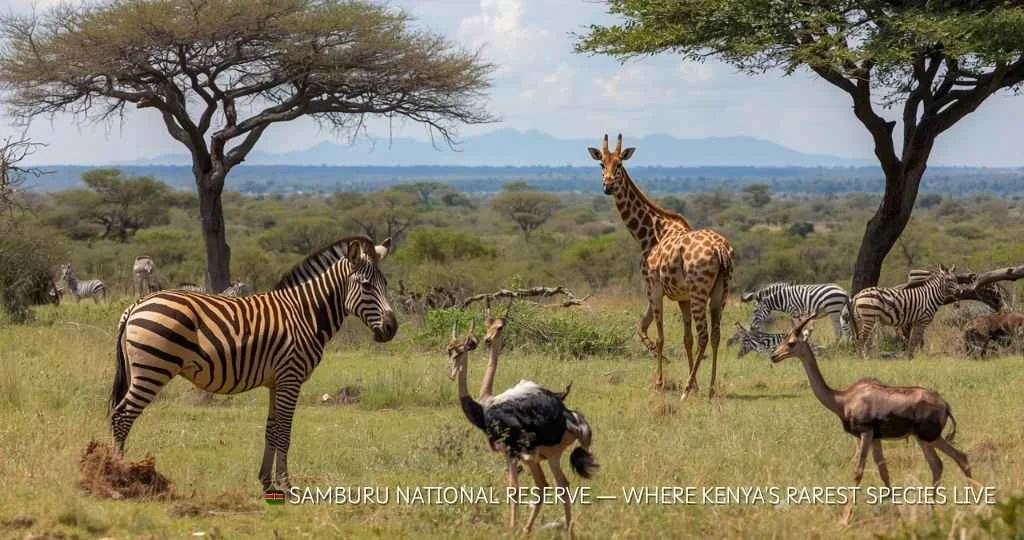
Samburu is the Kenya safari solo travel destination for the traveler who has already done the Mara and wants to go deeper. The reserve sits in northern Kenya’s arid frontier country — a landscape of doum palms, dry luggas (riverbeds), and red-rock hills that looks entirely different from the open savanna of the south and that supports a wildlife community unlike any other in Kenya.
The Northern Special Five — reticulated giraffe, Grevy’s zebra, Beisa oryx, Somali ostrich, and gerenuk (the long-necked antelope that stands on its hind legs to browse acacia leaves) — exist in this specific ecosystem and almost nowhere else accessible to tourists. Adding these five species to a Kenya itinerary that begins in the Mara creates a wildlife portfolio that covers more of Kenya’s ecological range than any other combination.
The Ewaso Ng’iro River running through Samburu concentrates wildlife along its banks in a way that makes game drives along the riverine forest consistently productive. Elephant families come to drink in the late afternoon. Leopards are unusually habituated to vehicles and regularly spotted in the riverside trees. Crocodiles, hippos, and lion prides complete an ecosystem that feels more remote and more genuinely wild than the tourist-dense south — even though Samburu’s logistics are entirely manageable for a solo traveler.
Average daily budget: $130–300 USD Solo-Friendly Rating: 9/10
🇰🇪 Nairobi — The Solo Safari Traveler’s Transit Base
Kenya is a great place for solo visitors to explore on their own. In fact, most of the country is ideal for solo adventures. The natives are warm and welcoming, and English is the language of choice.
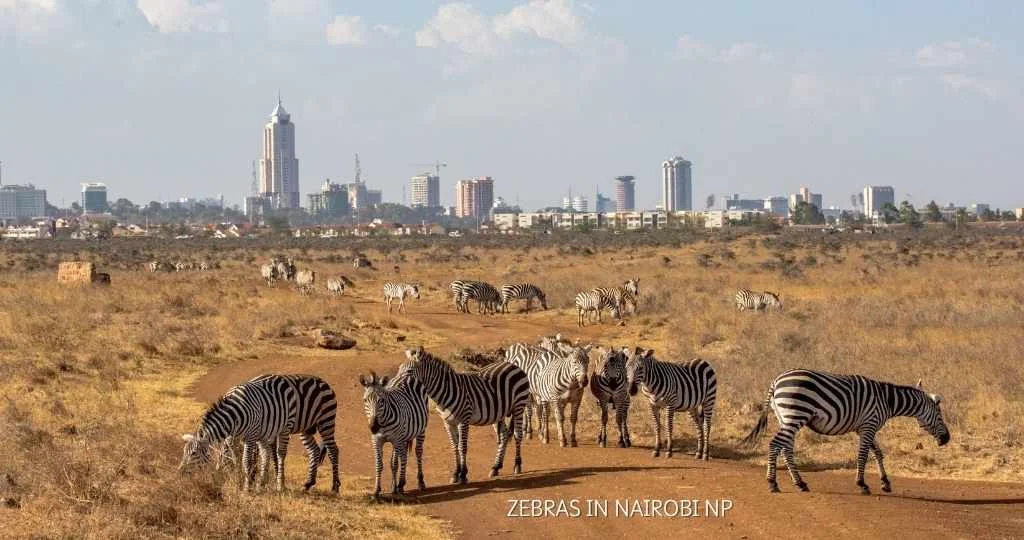
Nairobi is where your Kenya safari solo trip begins and ends, and it deserves more than a transit night. The David Sheldrick Wildlife Trust — the elephant orphanage at the edge of Nairobi National Park that rehabilitates and releases orphaned elephants back into the wild — is one of the most emotionally charged wildlife experiences in Kenya. The one-hour daily visiting window, when baby elephants come to feed and play in front of a small crowd of visitors, is a close encounter with individually named animals whose histories you learn from the keeper who has been sleeping beside them since they arrived. Solo travelers consistently describe it as unexpectedly moving.
Nairobi National Park — the only national park in the world that shares a fence with a capital city — offers lions, rhinos, giraffes, and leopards with the Nairobi skyline visible on the northern horizon. A morning game drive here before your flight south to the coast or your drive west to the Mara adds genuine wildlife value to what would otherwise be a transit day.
For solo travelers, stay in Westlands or Karen — both well-established, well-policed, and walkable during daylight hours. Use Uber for all city transport. Do not walk in the city center after dark.
Average daily budget: $60–120 USD Solo-Friendly Rating: 7.5/10 (safari areas: 10/10; city center: 6/10)
🇰🇪 Mombasa and Diani Beach — The Safari’s Perfect Ending
After the wildebeest migration in Kenya, Alice headed to beautiful Diani Beach on the Kenyan coast — a three-hour flight — to decompress with the Indian Ocean after the intensity of the Mara.
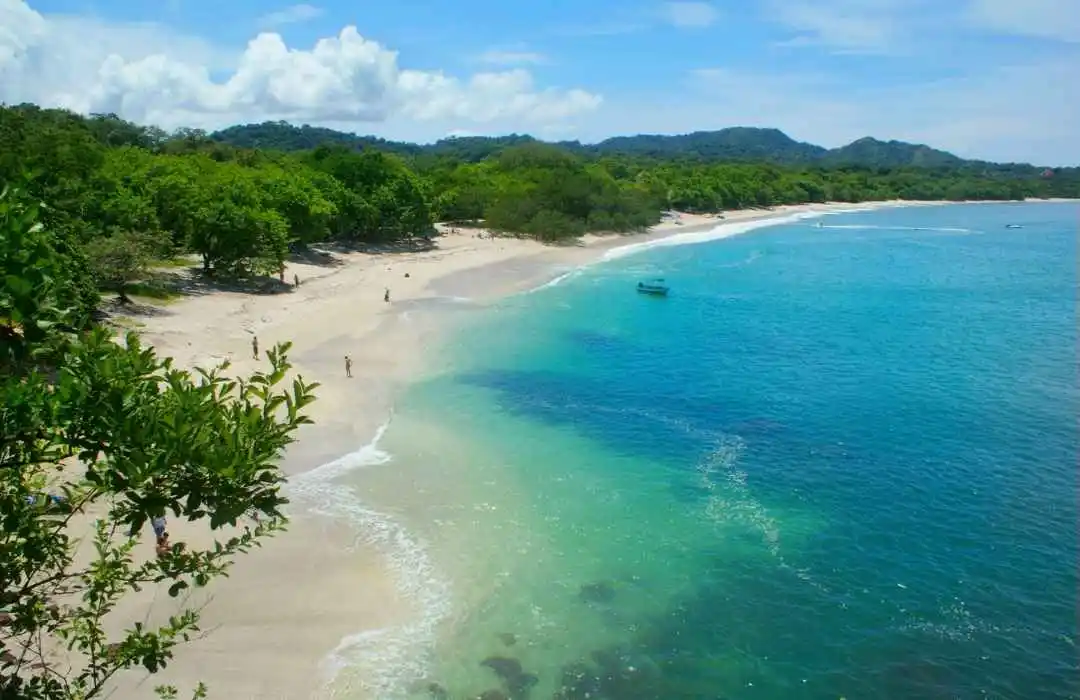
Kenya’s coast is right there. Combining a Mara or Amboseli safari with a few nights at Diani Beach is one of the most popular formats for 2026 — you get the wildlife, then you decompress on the Indian Ocean.
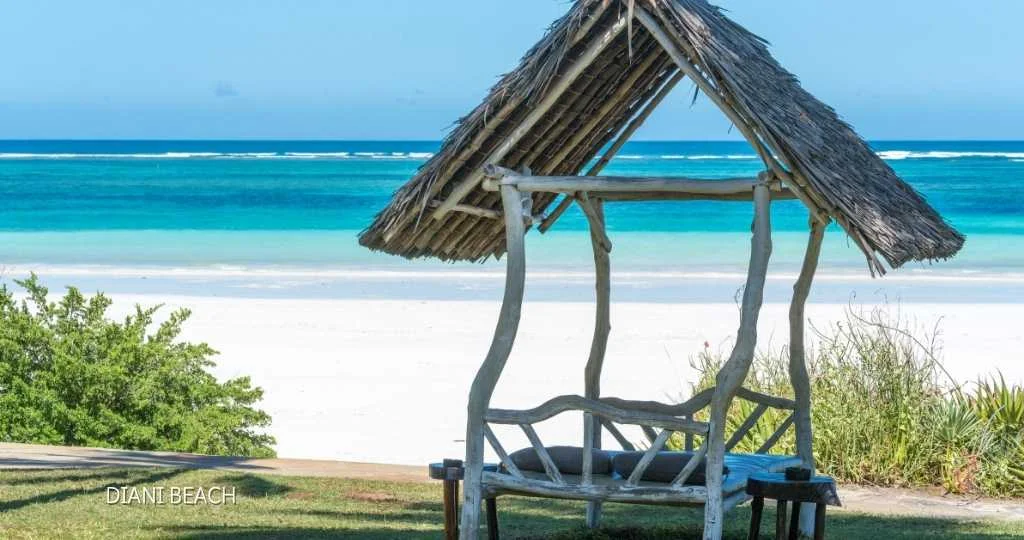
Diani Beach — an 18-kilometer stretch of white coral sand and turquoise Indian Ocean water south of Mombasa — is the finest beach in East Africa and the ideal denouement for a Kenya safari solo trip. After ten days of early morning alarms, game drive dust, and the emotional intensity of sustained wildlife immersion, three days of Indian Ocean swimming, fresh seafood, and absolute nothing required of you is not a luxury. It is exactly what the trip needs.
Mombasa itself — the island city at the entrance to the harbor, with its Old Town of Swahili merchant houses, carved wooden doors, and narrow streets that smell of cardamom and salt — is a cultural destination entirely separate from the coastal resort scene. Fort Jesus, the Portuguese-built fortress at the harbor mouth, was a UNESCO World Heritage site for 400 years of Indian Ocean trade history. A morning in Mombasa’s Old Town before heading south to Diani gives the coastal leg of your trip cultural depth alongside the beach relaxation.
Average daily budget: $60–130 USD (Diani); $50–100 USD (Mombasa) Solo-Friendly Rating: 9/10
🇰🇪 Mount Kenya — For the Solo Traveler Who Wants Something Harder
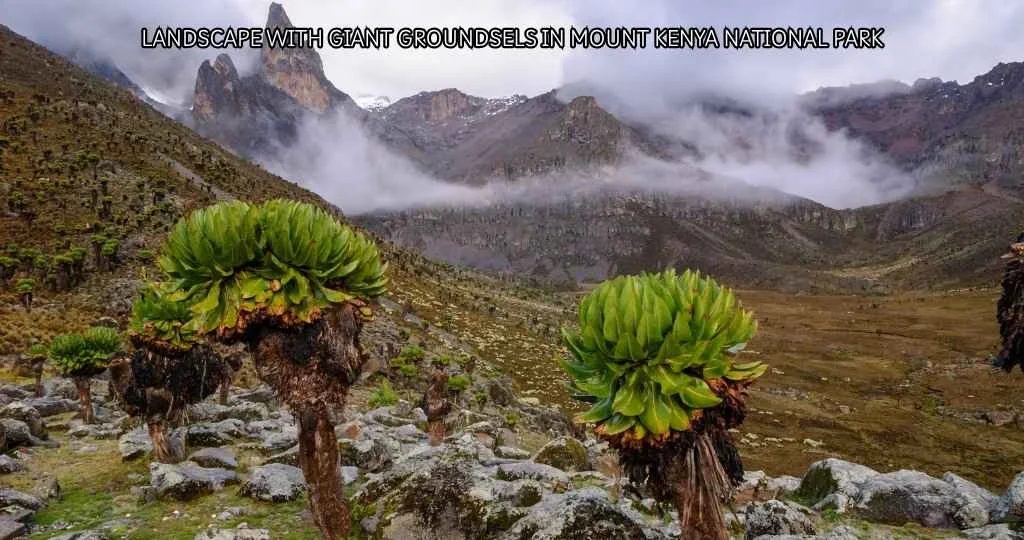
Africa’s second-highest peak at 5,199 meters offers the Kenya safari solo traveler an experience entirely different from any savanna game drive. The lower montane forest zones — accessed from the park gates at 2,000–2,500 meters — are home to elephant, buffalo, giant forest hog, colobus monkey, and bongo (one of Africa’s most elusive and beautiful antelopes) in an environment of extraordinary ecological complexity.
Sosian Lodge on Mount Kenya offers solo travelers intimate wildlife experiences on a private cattle ranch. Guests can enjoy day and night game drives, walking best safaris in Kenya, horse and camel best safaris in Kenya, and cultural village visits while staying in cottages that cater to single occupancy. Night drives at Sosian give solo travelers unique predator observation opportunities not available in larger reserves.
For the solo traveler with hiking experience and adequate acclimatization time, the summit routes — Point Lenana at 4,985 meters is the highest trekking point, accessible without technical climbing — offer a two to four day mountain experience in a landscape that moves from montane forest through moorland of giant heather and groundsel to the alpine zone of glaciers and volcanic rock. The views from Lenana at dawn, with the cloud sea below and Kilimanjaro visible on the southern horizon 300 kilometers away, are among the finest mountain panoramas in Africa.
Average daily budget: $80–160 USD (trekking); $150–300 USD (private lodge) Solo-Friendly Rating: 8.5/10
The ElitTrip Kenya Safari Solo Traveler Overview
| Destination | Best For | Avg Daily Budget | Solo-Friendly Rating |
|---|---|---|---|
| Maasai Mara | Great Migration, Big Five, culture | $150–350 | 10/10 |
| Amboseli | Elephants, Kilimanjaro views | $120–280 | 9.5/10 |
| Lake Nakuru | Flamingos, rhinos, Rift Valley | $90–180 | 9/10 |
| Samburu | Rare species, remote feel | $130–300 | 9/10 |
| Nairobi | Transit base, elephant orphanage | $60–120 | 7.5/10 |
| Diani Beach | Coastal reset, Indian Ocean | $60–130 | 9/10 |
| Mount Kenya | Hiking, montane wildlife | $80–300 | 8.5/10 |
Getting Around Kenya Alone: What Actually Works
Domestic flights are the most practical solution for covering Kenya’s distances. Kenya offers domestic flights connecting major safari destinations. A flight from Nairobi to the Maasai Mara takes about 45 minutes compared to a 4–5 hour road journey — the additional cost saves huge amounts of time and adds an aerial landscape experience that road transfers simply can’t replicate. Fly-in safari packages use light aircraft that land on grass airstrips directly at lodge property — your guide meets you at the strip, the vehicle is ready, and your safari begins within minutes of landing.
Safari vehicles with your guide are how you move within each park. If you choose to rent a car and explore independently instead of choosing a guided tour, make sure to choose well-known and trustworthy companies. Follow the rules, wear your seatbelt, and avoid driving at night. For first-time Kenya solo travelers, a guided safari vehicle is strongly recommended over self-drive — the guide’s wildlife knowledge transforms the experience from observation to education in ways that no amount of preparation replicates.
In Nairobi, use Uber or Bolt exclusively. Stay connected with a local SIM card that offers reliable data coverage. Park in well-lit or guarded spots every single night.
Practical Solo Safari Travel Tips for Kenya in 2026
When to go
The dry winter months of June to August mark the best time to visit for game viewing, with low grass and excellent visibility. July to October is the Great Migration Kenya period in the Mara. January to March offers excellent game viewing in Amboseli and Samburu with fewer visitors and lower prices.
Early bookings — six to nine months ahead — guarantee the best lodges and rates, especially during migration months July to October.
Visa
Americans must apply for a Kenya eVisa online. The process takes 10–15 minutes, costs approximately $50, and approval typically arrives within 24–72 hours. Your passport must be valid for at least 6 months after entry. Most nationalities can obtain Kenya’s eVisa through the same streamlined process.
Health — the non-negotiable preparation
Before you leave for Kenya, see your doctor for a prescription for malaria pills because Kenya is a high-risk malaria destination. Pack plenty of insect repellent. Be conscious of your belongings.
You are advised not to drink tap water, not bathe in rivers or lakes, and avoid food and drink from street vendors. All reputable lodges and camps provide safe drinking water throughout your stay.
Pack eco-friendly bags — Kenya has made producing, selling, and using plastic bags illegal. Ziploc bags specifically used to carry toiletries will be permitted. This is strictly enforced at border control and airport customs. Leave all plastic shopping bags at home.
What to pack
Neutral-colored clothing is recommended for safari — khaki, olive, grey, and beige blend with the savanna environment. Bright colors and white attract insects and disturb wildlife. Layers for cold early morning drives (the Mara at 5:30am is genuinely cold in July), sun protection for midday, and a good zoom lens if you have a camera — the wildlife encounters justify the weight of proper photographic equipment.
Single supplement
Some properties, including Offbeat Mara, Kicheche Mara, and Angama Mara, offer waivers or discounted single supplement rates during low or shoulder seasons, making private safari experiences more accessible for solo travelers. Booking early in the peak migration months can secure single-occupancy rooms without extra fees. Always ask your operator specifically about single supplement policies before confirming any booking — the range between operators is significant and negotiable.
For Solo Female Travelers: The Kenya Safari Honest Reality
Kenya is increasingly popular with solo travelers, including women. With the right steps, it’s a very rewarding trip. Google
Kenya is safe for female solo travelers. As a female solo traveler, it is always best to adopt the safety practices you would take anywhere in the world, like not walking alone at night in cities, or avoiding deserted beaches. Due to Kenya’s reputation as a safari mecca, many women traveling alone have opted to fly into camps where they can participate in group safaris or shared game drives, or even just do it alone with a guide.
Solo women self-drive across Kenya every year without trouble. Thousands of female travelers from the USA, UK, and Europe do it regularly. Most of them return home with only good things to say about the trip. For solo female travelers, a driver guide adds real peace of mind. Remote bush roads between parks can feel isolated and lonely at times. A trusted guide beside you changes that feeling completely. They also know which campsites stay safe overnight and which ones to skip.
The safari environment — where every movement is guided, where accommodation is secured, where the 24-hour Askari security walks you between your tent and the dining area after dark — is genuinely one of the safest travel environments available anywhere for a solo female traveler. The challenges are concentrated in the city context, not the bush context.
FAQ: What Solo Travelers Ask Before Booking Kenya
How much does a Kenya safari solo trip cost in 2026?
Mid-range private safaris — the most popular option — average $280–$480 per day, while luxury safaris can go above $600 per day. Budget-conscious solo travelers can find options from $150 per day in the shoulder seasons by choosing smaller tented camps over luxury lodges and traveling January to March or May to June.
Can I do the Great Migration Kenya alone without joining a group tour?
Yes — and solo travelers often have a significant advantage. A private vehicle with a solo traveler can position at the river crossing point faster, stay longer at the sighting without negotiating with other passengers, and follow the guide’s instinct in real time without group dynamics. Lodge positions on the Mara River give you the best crossing access — choose your camp location based on this criterion above all others.
What is the best Kenya national park for a first safari solo trip?
The Maasai Mara for wildlife density and the overall safari experience. Amboseli for the elephant and Kilimanjaro combination if the Great Migration timing doesn’t align with your dates. Combine Samburu National Reserve with the Maasai Mara for the ultimate Kenyan safari experience, then close out the trip with a few days at Diani Beach.
Is a hot air balloon safari worth it for a solo traveler?
Hot air balloon rides in Maasai Mara and Laikipia offer solo travelers an elevated wildlife experience with breathtaking aerial views of elephants, lions, and wildebeest. Balloons often include private or small-group seating, maximizing comfort and photo opportunities for independent adventurers. The balloon launches before 6am, floats over the savanna for about an hour at treetop and above height, and lands for a champagne bush breakfast in the open grass. For a solo traveler, it is one of the finest hours the entire trip offers.
Final Thought: What the Mara Does to a Solo Traveler
Your biggest risk in Kenya? Falling in love with the place and never wanting to leave.
That line is a marketing line. It is also, for the overwhelming majority of solo travelers who make this trip, simply and accurately true.
There is a specific thing that a Kenya safari solo trip does that no other travel experience replicates. It places you — one person, alone, without the protective buffer of companions or the comfortable familiarity of your ordinary life — directly inside one of the most ancient and most alive ecosystems on earth. The animals do not perform for you. They do not acknowledge you. They continue doing what they have been doing for millions of years, and you are simply present for it, for the duration of your visit, and then gone.
That presence is the thing. The lion that continues sleeping in the acacia shade regardless of your vehicle because you are not a threat and not relevant to its morning. The elephant matriarch who walks her family past you at four meters because your guide has positioned the vehicle correctly and you are part of the landscape now. The wildebeest crossing that begins as a distant rumble and resolves into a thundering, terrified, magnificent mass of animals throwing themselves into crocodile-filled water because the grass on the other side is greener and that impulse is older than memory.
A solo elite trip to Kenya does not promise you comfortable. It promises you present — more fully, more specifically, more irreducibly present in the natural world than almost any other experience available to a solo traveler anywhere on earth.
Go. Go with your guide chosen carefully. Go with your malaria medication started. Go before the migration season lodges fill up. Come back knowing that you sat alone at the edge of the Mara River and watched the world as it was before we changed it — and that for one morning at least, you were part of something much older and much larger than yourself.
ElitTrip is built for travelers who go alone. Read our complete Africa solo travel series — Morocco, Tunisia, Egypt, Algeria, South Africa, and Kenya — written for the independent traveler who goes without a safety net and finds one inside themselves.
Want to Share Your Experience?
Have you traveled using one of our guides or found inspiration here?
👉 Share your experience in the comments or send us your story
Your insights help other travelers plan more thoughtful, rewarding journeys.
Latest Reviews
There are no reviews yet. Be the first one to write one.