A Responsible Approach
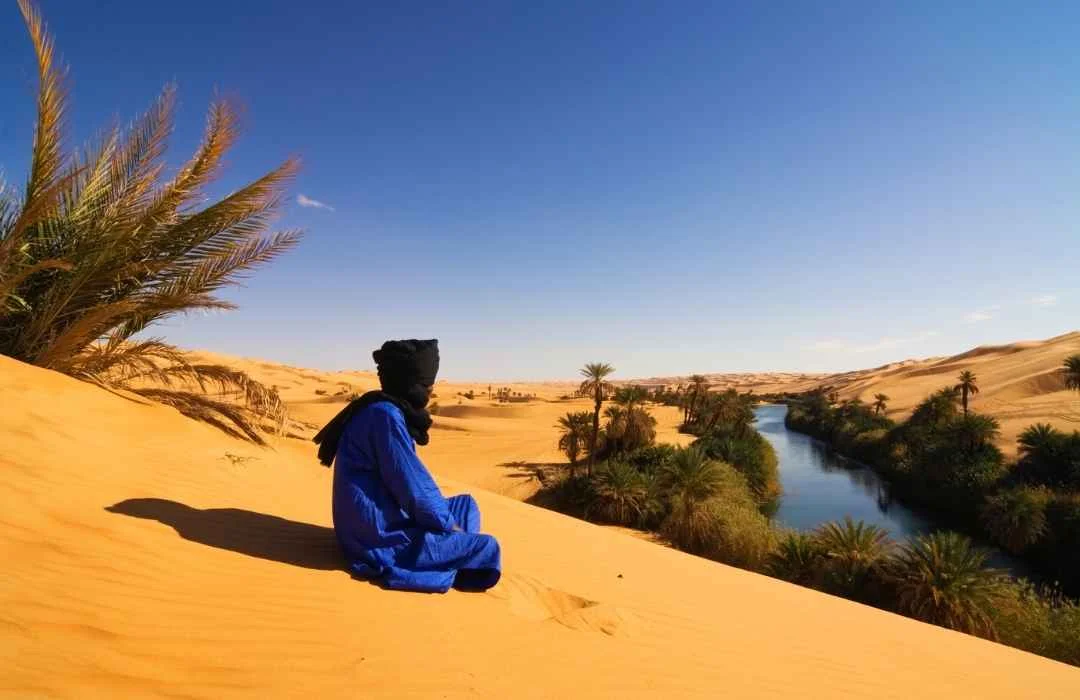
Sustainable nature appreciation in Libya begins with understanding limits. The land here has never been separate from people, and it has never been unlimited. When you explore sustainable nature libya, you are not stepping into untouched scenery—you are entering environments shaped by careful use, restraint, and long-term awareness.
This is why sustainability in Libya is not a trend. It is a necessity that existed long before the term became popular. Whether you are observing landscapes, documenting rural life, or thinking about future travel, your role is not to consume nature, but to respect how it maintains its own rhythm.
A responsible approach starts with attention. It asks you to slow down, observe patterns, and recognize how libya natural balance has been preserved through adaptation rather than control.
Table of Contents
What Sustainable Nature Libya Really Means
In Libya, sustainability is practical, not performative. Sustainable nature libya refers to how land continues to support life without being exhausted. This includes soil, water, vegetation, and the people who depend on them.
You see sustainability in:
- Land that rests between seasons
- Farming practices that follow rainfall
- Communities that adjust rather than expand
There is no separation between nature and daily life. That connection is what keeps ecosystems functional.
Understanding this context matters if you want to appreciate nature responsibly instead of imposing outside expectations on it.
Responsible Travel Libya: Awareness Before Movement
Responsible travel libya does not start with destinations. It starts with behavior. Before you think about where to go, you need to understand where you are.
A responsible approach means:
- Knowing which land is actively used
- Avoiding disruption to livelihoods
- Respecting privacy and local boundaries
In Libya, land is rarely unused. What may look open or empty often supports agriculture, grazing, or seasonal cycles. Responsible travel means acknowledging this reality and adjusting how you move and observe.
The goal is not access—it is respect.
Libya Rural Sustainability as a Living System
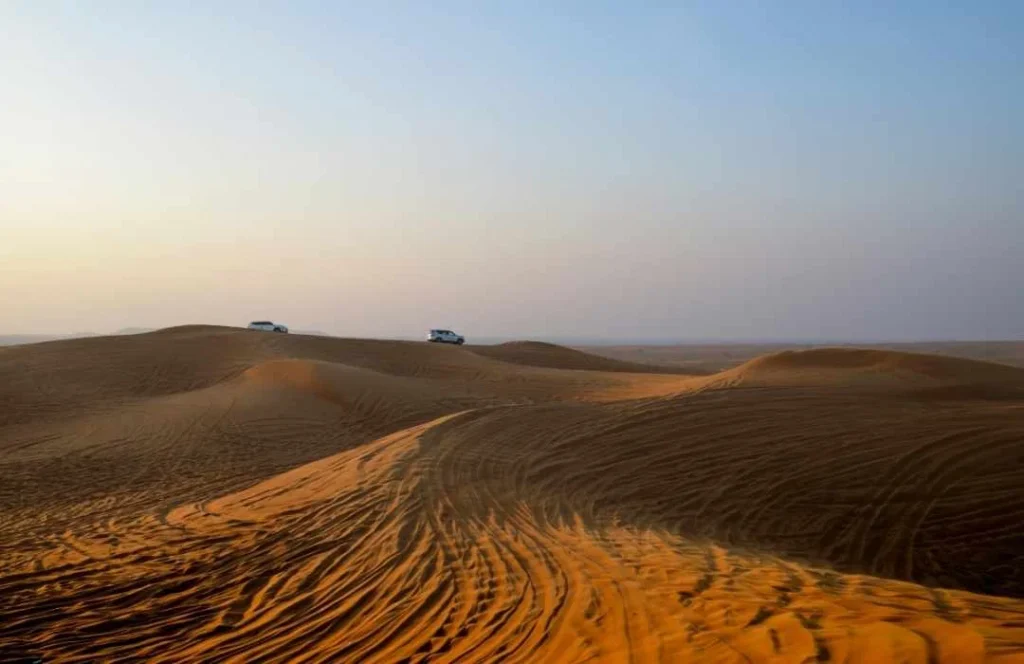
Libya rural sustainability is built on continuity. Rural environments remain stable because they follow inherited systems that work within environmental limits.
These systems include:
- Seasonal land rotation
- Low-intensity land use
- Shared responsibility within communities
Sustainability here does not rely on regulation alone. It relies on knowledge passed down over generations. This is why rural environments often remain healthier than areas affected by rapid development.
When you observe rural Libya, you are seeing sustainability in action, not theory.
Al Marj Environment: A Practical Example of Balance
Al Marj offers a clear illustration of how sustainability functions at a local level. The al marj environment reflects a relationship between settlement and land that avoids excess.
Rather than overwhelming its surroundings, Al Marj adapts to them. Land use remains measured, seasonal patterns are respected, and expansion has historically followed necessity rather than ambition.
This makes the area a useful reference point when discussing libya rural sustainability. It shows how environmental awareness can exist without formal labels or campaigns.
This approach to land and community is visible in : 👉 Solo Travel Al Marj
Libya Natural Balance: Why Moderation Matters
The idea of libya natural balance is central to understanding sustainability in the country. Balance here does not mean perfection. It means adjustment.
Nature in Libya operates within narrow margins:
- Rainfall is limited
- Soil fertility must be preserved
- Water use must remain controlled
Because of this, overuse shows consequences quickly. Sustainability survives because moderation is built into land use practices.
As an observer, your role is not to interfere with this balance. Even small disruptions can matter in fragile systems.
Eco Awareness Libya: Learning Instead of Extracting
Eco awareness libya is not about activism or messaging. It is about learning to see what already exists.
Eco awareness means:
- Recognizing environmental limits
- Understanding how people adapt to them
- Avoiding assumptions based on other regions
In Libya, awareness grows through observation rather than instruction. You learn by noticing how land changes through the year, how people respond to scarcity, and how sustainability is practiced quietly.
True eco awareness does not demand attention. It earns understanding.
Why Responsible Appreciation Is Better Than Promotion
One of the biggest risks to sustainability is exposure without context. Promoting nature without explaining how it functions can encourage misuse.
A responsible approach to sustainable nature libya focuses on:
- Education before engagement
- Observation before documentation
- Respect before access
This approach protects environments while allowing people to learn from them.
Sustainability Without Labels or Campaigns
Much of libya rural sustainability exists without formal recognition. There are no signs declaring it, no branding around it. It survives because it works.
This is important to understand. Sustainability does not always look modern. Sometimes it looks ordinary. And ordinary systems are often the most resilient.
The Role of Visitors in Responsible Travel Libya
If you are engaging with Libya from an environmental perspective, your role is limited—and that is a good thing.
Responsible engagement means:
- Leaving no physical trace
- Sharing information carefully
- Avoiding romanticized narratives
Your presence should never outweigh the needs of the environment or the people connected to it.
Protecting Libya Natural Balance Through Awareness
Protection in Libya does not always come from restriction. Often, it comes from restraint.
When eco awareness guides behavior, protection follows naturally. You step lighter. You observe longer. You interfere less.
That mindset is the foundation of sustainable appreciation.
Sustainable Nature Libya (FAQ)
What does sustainable nature Libya mean in practice?
It means using and observing natural environments in ways that allow them to remain productive and balanced over time.
How does responsible travel Libya differ from traditional tourism?
Responsible travel focuses on awareness, respect, and minimal impact rather than access or consumption.
Why is Libya rural sustainability important for the future?
Because rural systems support food production, environmental stability, and long-term land health.
What makes the Al Marj environment environmentally significant?
It reflects a balanced relationship between settlement and land use without excessive development.
How is Libya natural balance maintained?
Through moderation, seasonal land use, and adaptation to environmental limits.
What is eco awareness Libya and why does it matter?
It is the understanding of environmental limits and local practices that protect ecosystems from harm.
Solo Elite Trip — elitetrip.de Written for independent solo travelers.
Want to Share Your Experience?
Have you traveled using one of our guides or found inspiration here?
👉 Share your experience in the comments or send us your story
Your insights help other travelers plan more thoughtful, rewarding journeys.
Latest Reviews
There are no reviews yet. Be the first one to write one.