Libya’s Most Fertile Region: Where Nature and Livelihoods Align
When you look beyond Libya’s desert image, a quieter and more productive story emerges. In eastern Libya, rainfall, elevation, and soil quality combine to create one of the country’s most reliable agricultural zones. The Green Mountain Libya, locally known as Jabal al Akhdar, represents Libya at its most fertile and balanced.
This region is not defined by extremes. It does not rely on dramatic contrasts or artificial irrigation. Instead, it functions through natural systems that have supported human life for generations. To understand Libya’s fertile regions, you begin here—where land, climate, and people align.
Table of Contents
Geographic Position: Why Location Shapes Fertility
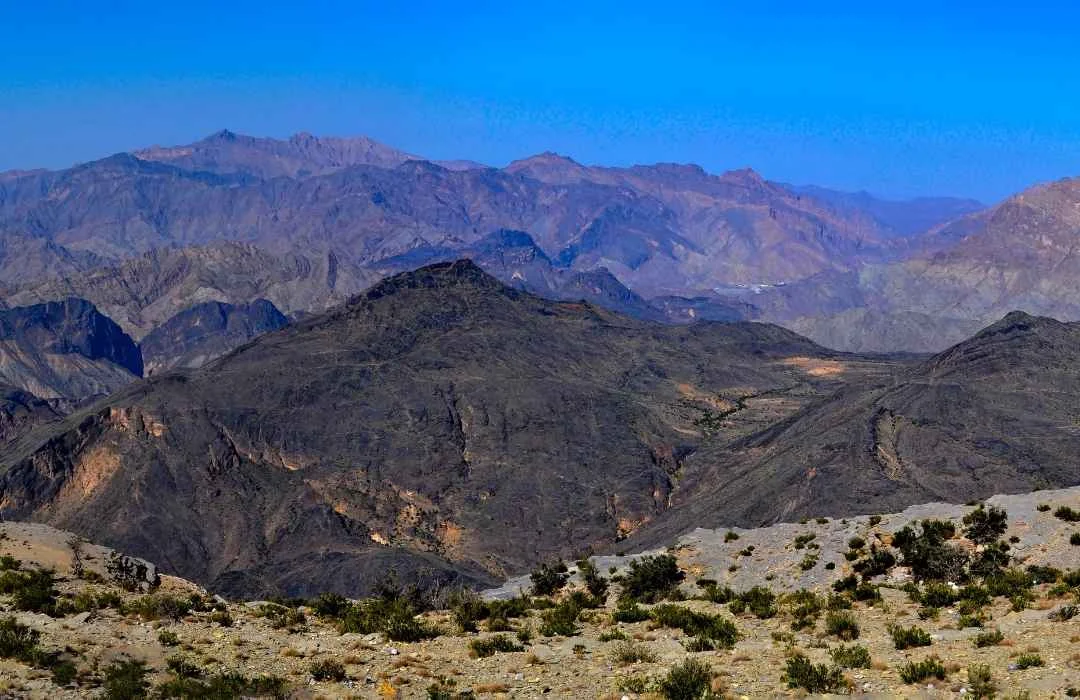
Jabal al Akhdar stretches across eastern Libya, rising gently inland from the Mediterranean coast. Its elevation is modest compared to mountain ranges elsewhere, but in Libya’s context, it changes everything.
Moist air from the sea rises as it moves inland. When it meets higher ground, clouds release rain. This simple geographic interaction explains why the Green Mountain receives significantly more rainfall than surrounding regions.
Key geographic factors include:
- Elevated terrain that cools air and encourages condensation
- Limestone-rich soil that absorbs and retains moisture
- Gradual slopes that slow water runoff instead of losing it
This combination allows water to stay in the land long enough to nourish crops, grasses, and trees. Geography here is not scenery—it is function.
Climate Stability and Seasonal Rhythm
Unlike arid zones where survival depends on unpredictability, the Green Mountain follows a Mediterranean-influenced climate cycle. Rainfall is concentrated in cooler months, while summers remain warm but manageable.
This creates:
- Predictable planting and harvesting seasons
- Natural regeneration of soil nutrients
- Reduced pressure on groundwater reserves
Farmers in eastern Libya agriculture do not fight the climate. They work within it. Seasonal planning replaces emergency adaptation, which is one of the strongest indicators of long-term land sustainability.
Libya Natural Landscapes Beyond the Desert Narrative
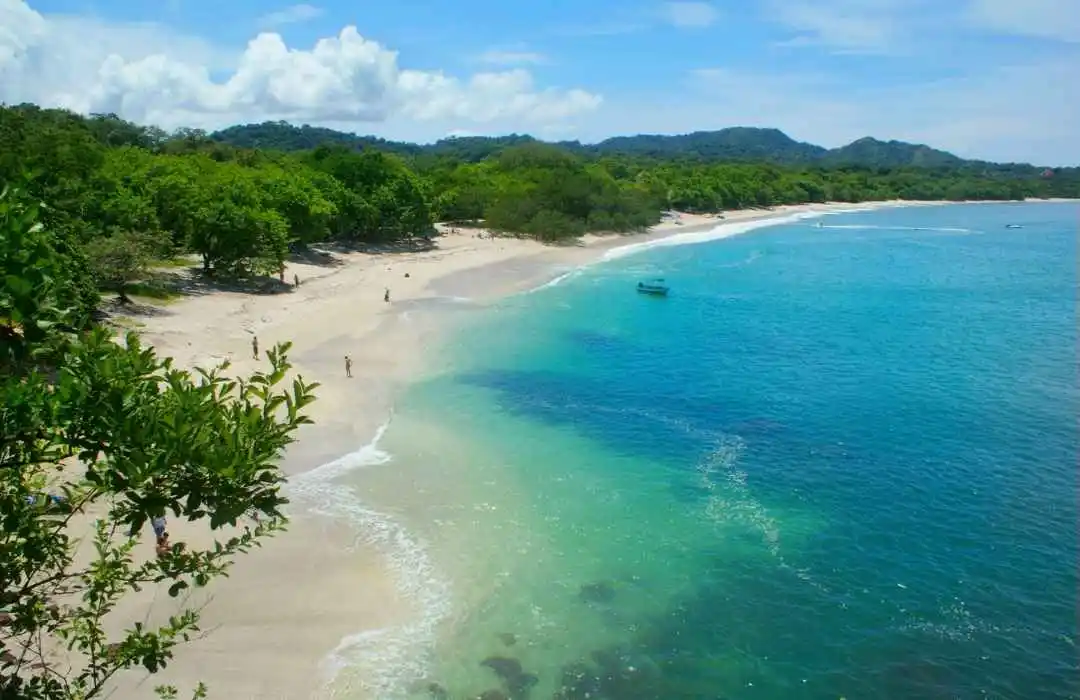
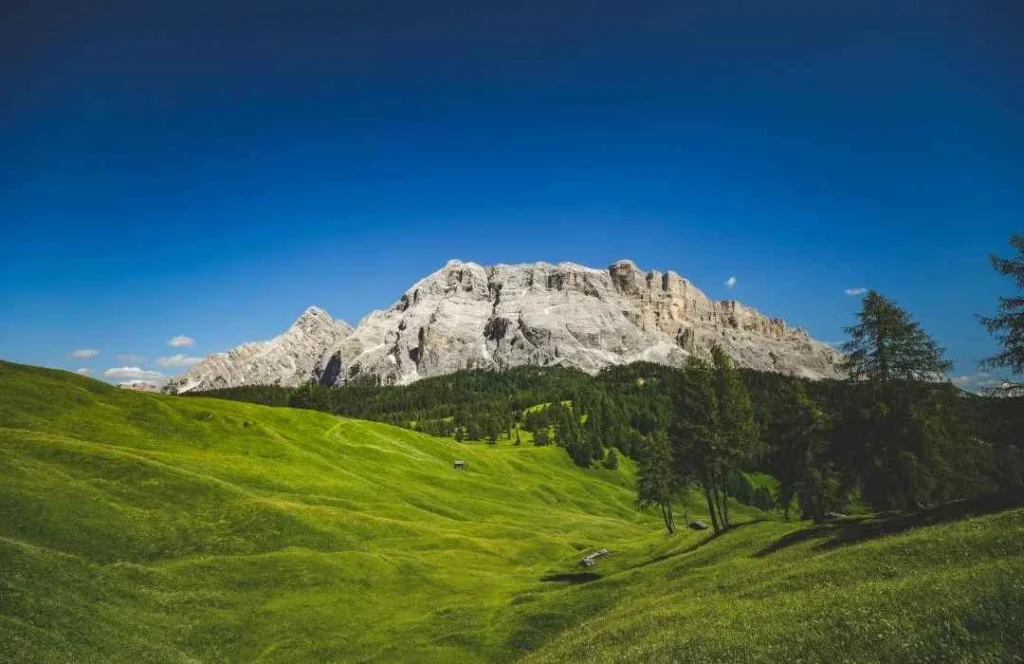
The visual identity of the Green Mountain challenges the idea of Libya as a single-environment country. Here, the land moves gently instead of stretching flat and endless.
You encounter:
- Rolling hills that break the horizon
- Shallow valleys where moisture collects
- Open plateaus used for grazing and crops
These landscapes form part of Libya’s natural landscapes that rarely appear in mainstream portrayals. They are not untouched wilderness, nor are they overdeveloped farmland. They exist in between—a working landscape shaped by human care.
Eastern Libya Agriculture: A System Built on Balance
Agriculture in the Green Mountain region does not rely on heavy infrastructure. Its strength lies in restraint.
Common agricultural characteristics include:
- Rain-fed cultivation rather than intensive irrigation
- Crop rotation to protect soil health
- Mixed land use combining farming and grazing
This approach prevents exhaustion of the land. Instead of maximizing short-term yield, communities prioritize consistency. That is why eastern Libya agriculture has endured despite political and economic pressures.
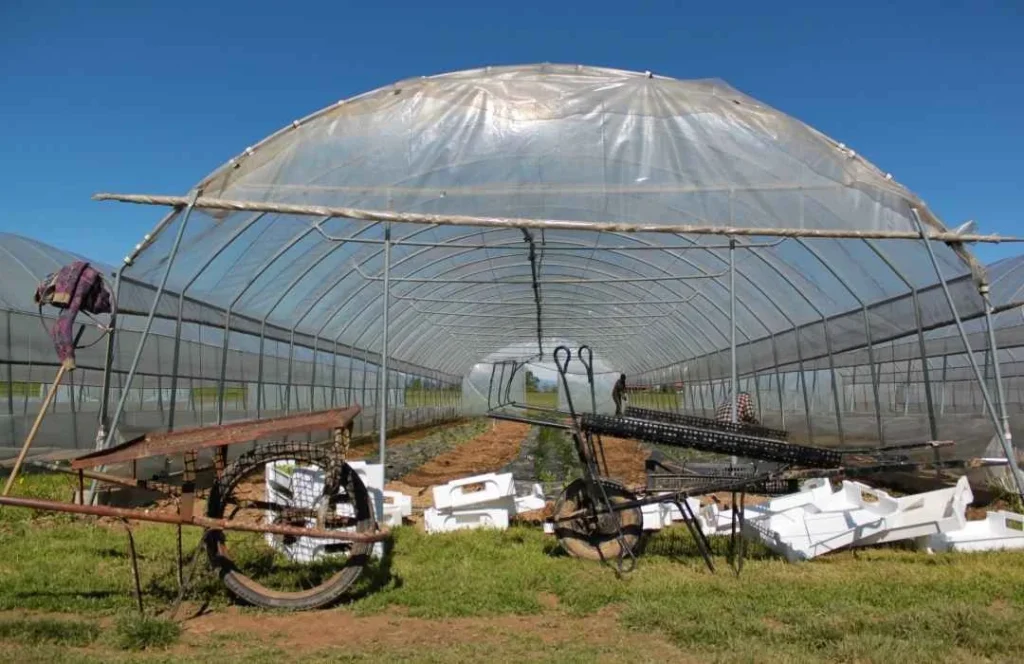
The Al Marj Region: A Practical Example of Fertility
Within this system, the Al Marj region stands as a visible example of how fertile land supports settlement without environmental collapse.
Al Marj is not isolated from nature. Its farmland, grazing areas, and residential spaces overlap in a way that feels organic rather than planned. The surrounding countryside shows how agriculture, biodiversity, and daily life coexist without clear boundaries.
This integration explains why the al marj region remains productive without large-scale environmental degradation.
Biodiversity Rooted in Agriculture
Fertility is not only measured by crops. It is also reflected in ecological balance.
The Green Mountain supports:
- Bird species adapted to farmland and open woodland
- Native grasses and shrubs that prevent soil erosion
- Seasonal plant cycles that regenerate naturally
Rather than separating nature from human activity, this region demonstrates how biodiversity can exist within cultivated land. This is one of the most important lessons from Libya’s fertile regions.
A Natural Barrier Against Desert Expansion
The Green Mountain plays a strategic ecological role. Its vegetation stabilizes soil and slows desert encroachment from the south. Without it, eastern Libya would face faster land degradation.
In this sense, the region functions as:
- A climate buffer
- A food security zone
- A biodiversity reservoir
Protecting it is not optional—it is essential for long-term environmental resilience.
Cultural Knowledge Embedded in the Land
Farming practices here are not imported systems. They are inherited knowledge.
Land is passed down alongside understanding of:
- Rain timing
- Soil behavior
- Seasonal shifts
This cultural continuity is why the Green Mountain remains productive even without modern intervention. Knowledge, not machinery, is the foundation.
Why the Green Mountain Matters for Libya’s Future
The Green Mountain Libya is more than fertile land. It represents a model of sustainability rooted in local conditions. It proves that Libya’s identity includes productivity, balance, and environmental intelligence.
Understanding this region reshapes how Libya natural landscapes are perceived—not as limitations, but as systems with potential.
How Al Marj Fits Into the Green Mountain – Solo Elite Trip
Al Marj sits within this fertile system and acts as one of the region’s most visible examples of successful land use. Its surrounding countryside shows how settlement and nature coexist without heavy environmental strain.
See how this landscape comes together in practice: → Solo Travel Al Marj
FAQ – The Green Mountain Libya
What is the Green Mountain Libya known for?
The Green Mountain Libya is known for being one of Libya’s most fertile regions. Unlike the country’s desert areas, it receives higher rainfall, has cooler temperatures, and supports agriculture, grazing land, and natural vegetation. It plays a key role in food production and ecological balance in eastern Libya.
Is Jabal al Akhdar the same as the Green Mountain?
Yes. Jabal al Akhdar is the local Arabic name for the Green Mountain region. The name translates to “The Green Mountain” and reflects the area’s vegetation, rainfall, and productive land compared to surrounding regions.
Why is the Green Mountain one of Libya’s fertile regions?
The region’s fertility comes from a combination of elevation, Mediterranean-influenced climate, and soil that retains moisture. Seasonal rainfall supports rain-fed farming, while rolling terrain prevents rapid water loss. These natural conditions make it one of the most reliable agricultural zones in Libya.
What crops are grown in eastern Libya agriculture?
Eastern Libya agriculture focuses on crops suited to seasonal rainfall rather than intensive irrigation. Common production includes grains, olives, vegetables, and grazing land for livestock. Farming practices emphasize rotation and long-term soil health rather than short-term yield.
Where is the Al Marj region located within the Green Mountain?
The Al Marj region is located within the Green Mountain system in eastern Libya. It serves as a practical example of how fertile land, settlement, and agriculture coexist. The surrounding countryside reflects balanced land use shaped by climate and tradition.
How does the Green Mountain affect Libya’s environment?
The Green Mountain acts as a natural buffer against desert expansion. Its vegetation stabilizes soil, supports biodiversity, and reduces erosion. This makes it environmentally important not only for eastern Libya but for the country’s long-term ecological resilience.
Is the Green Mountain suitable for sustainable development?
Yes. The region already operates on sustainable principles such as rain-fed farming, mixed land use, and seasonal planning. Any future development that respects these systems can strengthen food security without damaging the environment.
Why is the Green Mountain important for understanding Libya natural landscapes?
The Green Mountain challenges the idea that Libya is defined only by desert. It shows that Libya’s natural landscapes include fertile hills, farmland, and productive rural environments shaped by climate and human knowledge over generations.
Solo Elite Trip — elitetrip.de Written for independent solo travelers.
Want to Share Your Experience?
Have you traveled using one of our guides or found inspiration here?
👉 Share your experience in the comments or send us your story
Your insights help other travelers plan more thoughtful, rewarding journeys.
Latest Reviews
There are no reviews yet. Be the first one to write one.