Luanda Solo Travel: Everything You Need to Know Before You Go
So you’re thinking about traveling solo to Luanda, Angola. Bold choice — and honestly, a brilliant one. While most solo travelers are busy ticking off Paris, Bali, and Bangkok, a small but growing wave of adventurous explorers is turning their eyes toward one of Africa’s most fascinating, misunderstood, and visually striking capitals.
This Luanda solo travel guide answers every real question travelers are asking right now — is Luanda safe, is Angola tourist friendly, how expensive is it really, and is it actually worth the trip? Let’s get into it.
Table of Contents
What Country Is Luanda In?
If you landed here after a quick search, here’s the fast answer: Luanda is the capital city of Angola, a country located on the Atlantic coast of southern Africa. Angola borders the Democratic Republic of Congo to the north, Zambia to the east, and Namibia to the south.
A quick note on a common search confusion — Luanda is not in Portugal. Some travelers mistakenly search “Luanda Portugal” due to Angola’s Portuguese colonial history, but Luanda is an African city through and through. More on that mix-up later.
Luanda port is one of the most strategically significant on the African continent — a major hub for oil exports, commercial shipping, and regional trade that has shaped the city’s economy for decades.
Overview of Luanda City — Quick Facts
Before diving into the travel details, here’s a snapshot of what you’re dealing with:
| Fact | Detail |
|---|---|
| Country | Angola |
| Status | Capital city |
| Luanda Province | Luanda Province (the smallest but most populated province in Angola) |
| Luanda Population | Approximately 9–10 million (metro area, 2024 estimates) |
| Language | Portuguese (official) |
| Currency | Angolan Kwanza (AOA) |
| Time Zone | WAT (UTC+1) |
| Coast | Atlantic Ocean |
Luanda is home to roughly one-third of Angola’s entire population — a staggering concentration that reflects decades of internal migration during the civil war period. The city is young, loud, chaotic, and alive with a creative energy that first-time visitors rarely expect.
Historically, Luanda was founded by Portuguese explorer Paulo Dias de Novais in 1576, making it one of the oldest European-established cities in sub-Saharan Africa. That colonial legacy is written into the architecture, the language, and the food — and it gives the city a layered, complex character that rewards curious travelers.
Is Luanda Safe for Solo Travelers?
Let’s not dance around it — this is the question every solo traveler asks first, and it deserves a straight answer.
Luanda is a city of contrasts when it comes to safety. It is not the most dangerous city in Africa, but it is not the easiest either. Petty crime — pickpocketing, bag snatching, and opportunistic theft — is the primary risk for tourists, particularly in crowded markets and busy street areas. Violent crime against tourists is relatively rare but not unheard of.
Safe Neighborhoods in Luanda
- Miramar — upscale, well-patrolled, popular with expats and business travelers
- Talatona — modern suburb south of the city, very safe, home to international hotels and restaurants
- Ilha do Cabo — the beachfront peninsula, generally safe during the day and lively at night with restaurants and bars
Areas to Approach With Caution
- Roque Santeiro market area — extremely crowded, high pickpocket risk
- Musseques (informal settlements on the city periphery) — not recommended for solo travelers to explore without a trusted local guide
- Downtown Luanda at night — exercise strong situational awareness after dark
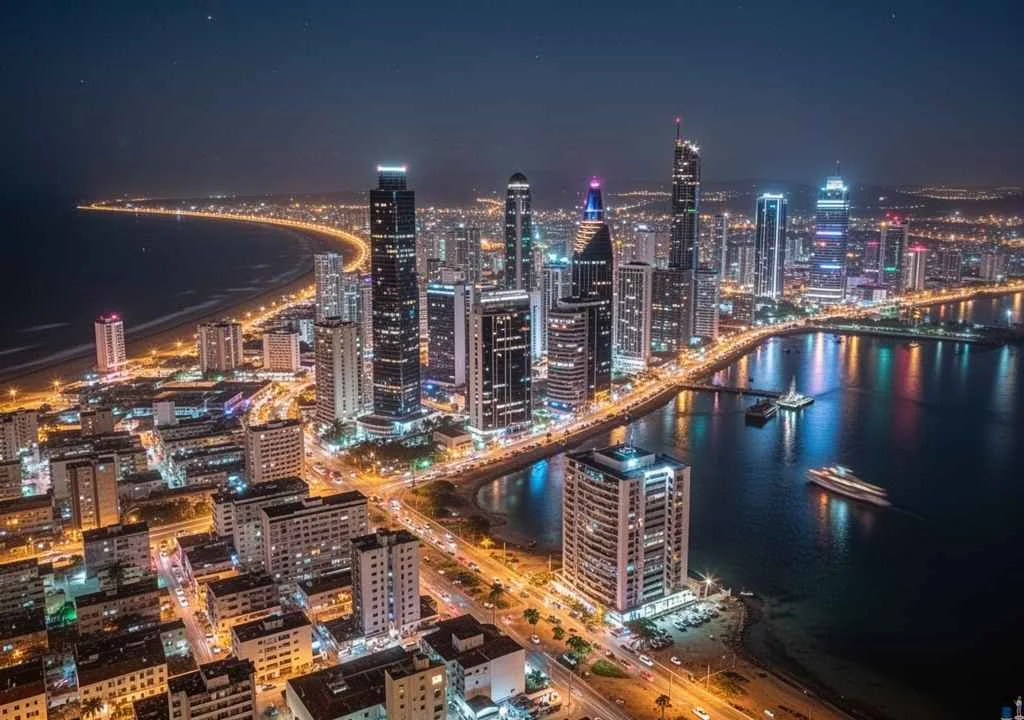
Safety Tips for Solo Travelers in Luanda
- 🚖 Use only reputable, app-based taxis — Heetch and Yango operate in Luanda and are far safer than hailing street cabs
- 📱 Keep your phone out of sight in public — phone snatching is one of the most common crimes reported by visitors
- 💳 Carry limited cash — use hotel safes for valuables and avoid displaying expensive cameras or jewelry
- 🗣️ Learn basic Portuguese phrases — locals respond significantly better to travelers who make the effort
- 🏨 Stay in established neighborhoods — Talatona and Miramar offer the best combination of safety and accessibility
- 👥 Connect with expat communities — Facebook groups and expat forums can provide real-time safety updates
💡 Solo female travelers should exercise extra caution, dress modestly in non-tourist areas, and avoid walking alone after dark in unfamiliar neighborhoods.
Is Angola Still in War?
This question comes up constantly — and the answer is a clear and reassuring no.
Angola’s devastating civil war, one of the longest and most destructive conflicts in African history, officially ended on April 4, 2002, when a peace agreement was signed following the death of UNITA rebel leader Jonas Savimbi. That was over two decades ago.
Since then, Angola has been politically stable under the MPLA government. The country has invested heavily in reconstruction, infrastructure development, and economic diversification. Tourism, while still in its early stages, is actively being promoted by the Angolan government as a strategic growth sector.
Angola in 2025/2026 is a country at peace, rebuilding its identity and slowly opening its doors to the world. Travelers arriving expecting conflict-era conditions will be surprised by the modern skyline, new hotels, and functioning urban infrastructure — particularly in Luanda.
Is Angola Tourist Friendly?
Honestly? It’s getting there — but it requires realistic expectations.
Visa requirements have historically been a barrier. Most nationalities require a visa to enter Angola, which can be obtained online through the e-visa portal, though the process can be slow and occasionally inconsistent. Always check the latest requirements from your country’s embassy before booking.
Infrastructure in Luanda has improved significantly over the past decade, driven by oil wealth. International-standard hotels, functioning airports, and modern shopping centers exist alongside significant poverty and infrastructure gaps outside the city center.
Locals are warm and genuinely welcoming to visitors who approach with respect and cultural awareness. Angolans are proud of their country’s resilience and tend to respond positively to travelers who show genuine curiosity rather than just passing through.
English proficiency is limited — Portuguese is essential in Luanda, and even basic conversational Portuguese will dramatically improve your experience and your safety.
The honest verdict: Angola is tourist-friendly in spirit, even if the practical infrastructure of tourism (clear signage, tourist offices, established backpacker routes) is still developing.
Is Luanda an Expensive City?
Bluntly — yes. Luanda has historically ranked among the most expensive cities in the world, consistently appearing in Mercer’s Cost of Living surveys alongside cities like Zurich, Singapore, and New York. At its peak, driven by the oil boom of the 2000s and early 2010s, a basic hotel room could cost $400–$600 per night and a simple restaurant meal ran $30–$50.
The good news: costs have come down significantly since Angola’s currency devalued and the oil boom cooled. Here’s a realistic 2025 breakdown:
| Expense | Budget Range (USD) |
|---|---|
| Budget hotel / guesthouse | $60–$120/night |
| Mid-range hotel | $150–$250/night |
| International 5-star hotel | $300–$500+/night |
| Local restaurant meal | $8–$20 |
| Mid-range restaurant | $25–$60 |
| Taxi (app-based, city ride) | $5–$15 |
| Beer (local Cuca brand) | $2–$4 |
| Bottled water | $1–$2 |
Luanda remains expensive by African standards but is far more accessible than it was five years ago. Budget travelers can manage on $80–$120/day if they stay in guesthouses and eat at local restaurants. Mid-range travelers should budget $150–$250/day comfortably.
Luanda Restaurants & Food Scene
Luanda’s food scene is one of its most underrated pleasures. The city’s Atlantic coastline means seafood is exceptional — fresh, abundant, and central to local cuisine.
Must-Try Angolan Dishes
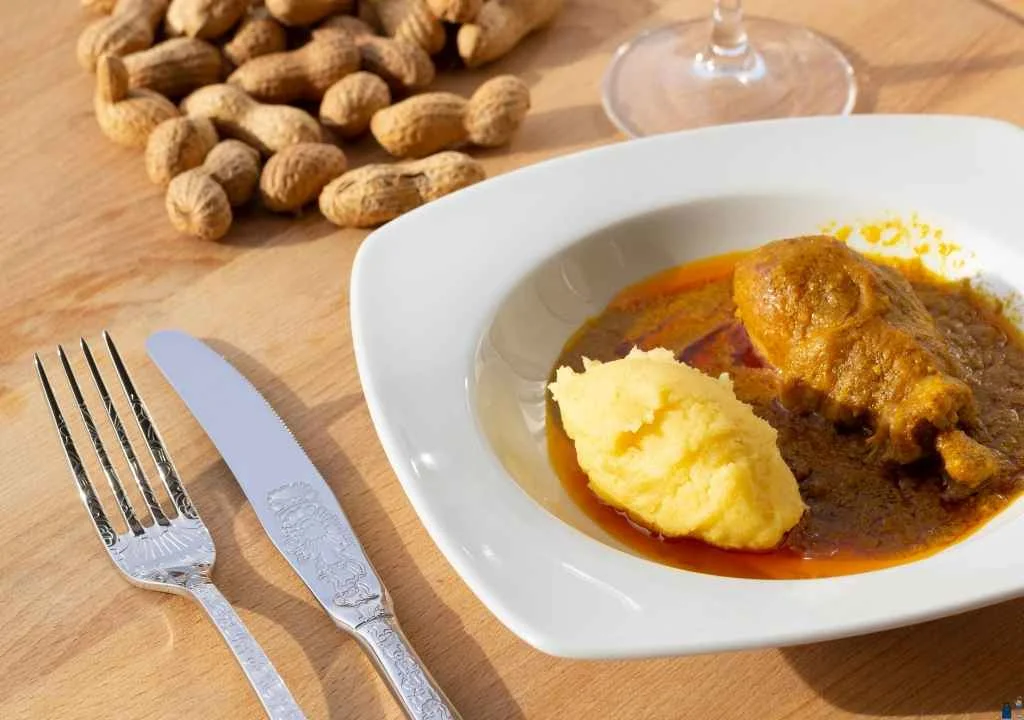
- 🐟 Muamba de Galinha — chicken stewed in palm oil with okra and spices, considered Angola’s national dish
- 🦞 Calulu — dried fish or meat cooked with vegetables and palm oil
- 🍚 Funge — a thick cornmeal or cassava porridge, the staple starch served with almost everything
- 🦐 Grilled prawns — Luanda’s coastline produces some of the best prawns in Africa; order them everywhere
Best Areas for Restaurants in Luanda
- Ilha do Cabo — the city’s premier dining and nightlife strip, lined with seafood restaurants ranging from casual to upscale
- Talatona — modern international restaurants, cafés, and shopping mall food courts popular with expats
- Miramar — traditional Portuguese-influenced restaurants and upscale dining
What Language Do They Speak in Luanda?
Portuguese is the official language of Angola and the primary language spoken in Luanda. As a former Portuguese colony until independence in 1975, Portuguese is used in government, business, education, and daily urban life.
Beyond Portuguese, several Bantu languages are spoken across Angola — Kimbundu is the most widely spoken indigenous language in the Luanda region, and you’ll hear it in markets and informal settings.
English proficiency is limited but growing, particularly among younger Angolans and in international business environments.
Basic Portuguese Phrases for Luanda
| English | Portuguese | Pronunciation |
|---|---|---|
| Hi / Hello | Olá | Oh-LAH |
| Good morning | Bom dia | Bohn JEE-ah |
| Good afternoon | Boa tarde | BOH-ah TAR-day |
| Thank you | Obrigado (m) / Obrigada (f) | Oh-bree-GAH-doh |
| How much? | Quanto custa? | KWAN-toh KOOSH-tah |
| Where is…? | Onde fica…? | ON-day FEE-kah |
| Please | Por favor | Por fah-VOR |
| I don’t understand | Não entendo | Nowng en-TEN-doh |
💡 Even attempting a few words in Portuguese signals respect and will immediately warm up interactions with locals.
Luanda Weather & Best Time to Visit
Luanda sits just south of the equator, giving it a tropical climate with two distinct seasons:
| Season | Months | What to Expect |
|---|---|---|
| Dry Season (Cacimbo) | June – September | Cool, overcast, minimal rain — the most comfortable time to visit |
| Rainy Season | October – May | Hot, humid, heavy afternoon rains — particularly intense November through March |
Best months to visit: June, July, and August — temperatures are mild (22–26°C / 72–79°F), rainfall is minimal, and the city is at its most comfortable for walking and outdoor exploration.
Avoid traveling in February and March if possible — peak rainy season brings flooding in low-lying areas and disrupts transport.
Why Is Luanda Called the “Paris of Africa”?
The nickname dates back to Luanda’s colonial golden era — particularly the 1950s and 1960s — when the city was one of the wealthiest and most architecturally ambitious in Africa.
Portuguese colonial architects built wide boulevards, ornate public buildings, pastel-colored apartment blocks, and seafront promenades that genuinely echoed European design sensibilities. The Marginal — Luanda’s seafront avenue — was once compared to Lisbon’s Ribeira waterfront.
Beyond architecture, Luanda developed a reputation for vibrant nightlife, fashion, and cultural sophistication that set it apart from other African capitals of the era. Angolan music — particularly Semba, the precursor to Brazilian Samba — gave the city a distinct cultural identity.
Today the nickname is partly nostalgic, partly aspirational. Some of the colonial grandeur has faded, but Luanda’s creative energy, fashion scene, and nightlife culture still carry echoes of why that comparison was made in the first place.
Is Luanda a Beautiful City?
The honest answer is: yes, in parts — and dramatically so.
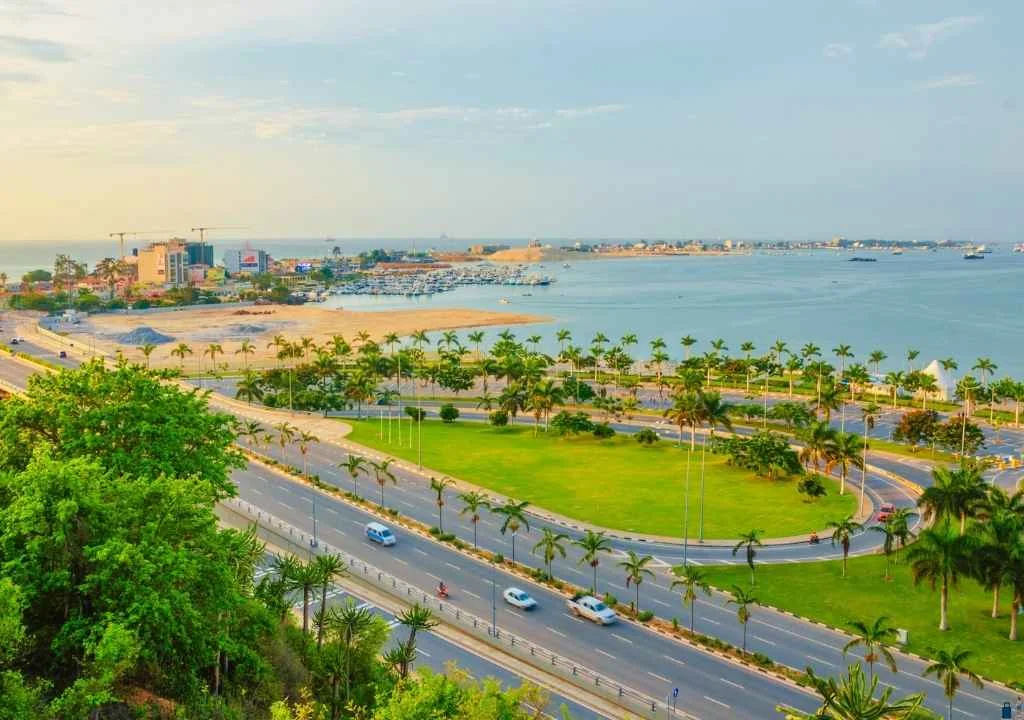
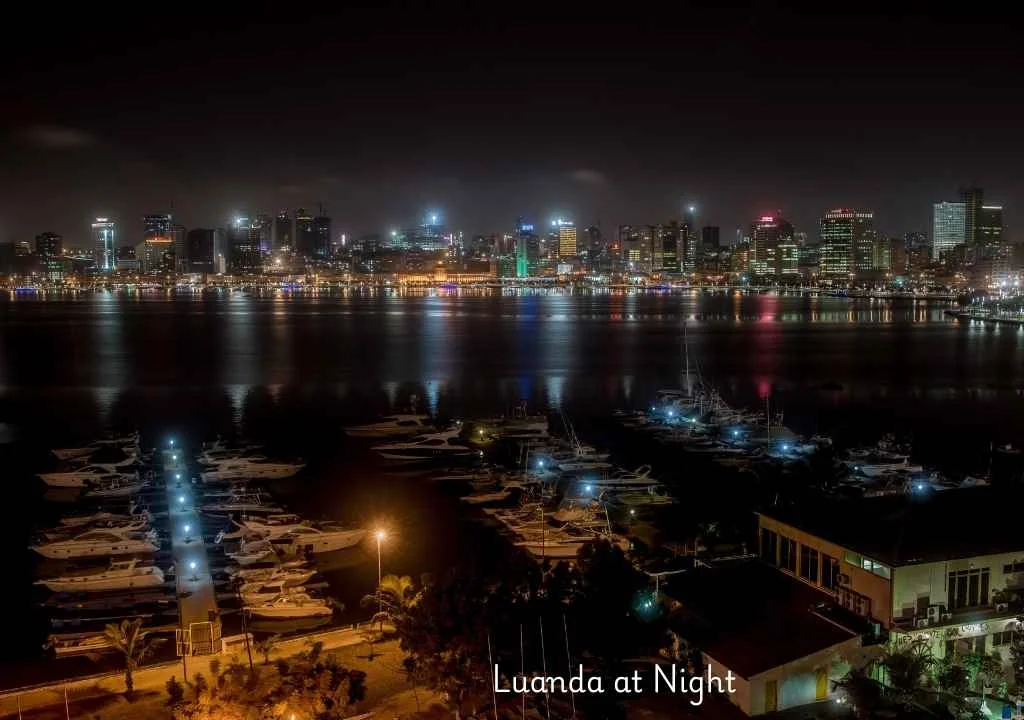
- 🌊 The coastline is genuinely stunning — Luanda Bay sweeps in a long arc, and at sunset the light on the water is extraordinary
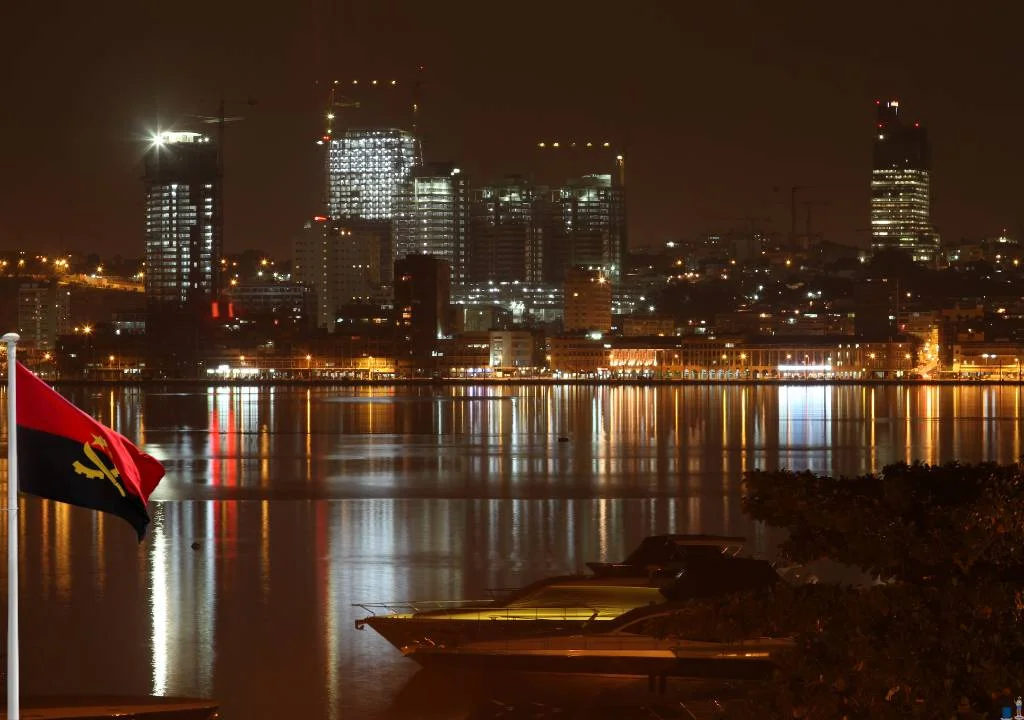
- 🏙️ The skyline is a jarring, fascinating mix of colonial Portuguese pastel buildings and gleaming modern glass towers built during the oil boom
- 🏖️ Ilha do Cabo — the narrow beachfront peninsula — is lively, colorful, and photogenic
- 🏰 Fortaleza de São Miguel — the 16th-century Portuguese fort overlooking the bay — is one of the most striking historic sites in West Africa
The city also has areas of significant poverty and urban sprawl that contrast sharply with its wealthy districts. But that contrast is part of what makes Luanda compelling for travelers who want to understand an African city in full complexity, not just its polished surface.
Luanda vs. Luanda Portugal — Clearing Up the Confusion
This comes up more than you’d think. There is no city called Luanda in Portugal. The confusion stems from Angola’s deep historical and linguistic ties to Portugal — Portuguese is Angola’s official language, the city was founded by Portuguese colonizers, and cultural connections between the two countries remain strong.
When people search “Luanda Portugal,” they are typically either confused about the city’s location or looking for information about Angolan communities living in Portugal. To be completely clear: Luanda is in Angola, on the Atlantic coast of southern Africa. It has no geographic connection to Portugal beyond its colonial history.
Top Things to Do in Luanda for Solo Travelers
Luanda offers a mix of historic landmarks, coastal views, cultural museums, and vibrant local markets, making it an interesting destination for solo travelers who want to explore Angola’s capital at their own pace. Below are some of the most popular attractions in Luanda, explained in a clear and mobile-friendly format.
Fortaleza de São Miguel (Historic Fort & Museum – Downtown)
Fortaleza de São Miguel is one of the most important historical landmarks in Luanda. Built in the 16th century during Portuguese colonial rule, the fortress once served as the administrative center of the city. Today it functions as a museum and viewpoint where visitors can learn about Angola’s history while enjoying panoramic views of Luanda city, the Atlantic Ocean, and the port area. For solo travelers, it’s a great place to start exploring the capital and understanding its past.
Ilha do Cabo / Ilha de Luanda (Beaches, Restaurants & Nightlife)
Ilha do Cabo, often called Ilha de Luanda, is a narrow peninsula just off the city center. It is one of the most popular leisure areas in Luanda thanks to its beach clubs, seafood restaurants, and lively nightlife. Solo travelers often visit the area to relax by the ocean during the day and enjoy local cuisine in the evening. The peninsula also offers some of the best views of Luanda’s skyline.
Luanda Bay (Marginal Waterfront Promenade – City Center)
The Marginal, or Luanda Bay waterfront promenade, is a long coastal boulevard where locals gather to walk, jog, and socialize. It is one of the most scenic areas in the city and a perfect place for solo travelers to take a relaxing walk while watching the sunset over the Atlantic. The area is surrounded by modern buildings, cafés, and green spaces.
National Museum of Angola (Culture & History – Downtown)
The National Museum of Angola provides insight into the country’s cultural heritage and traditions. Exhibits include traditional masks, sculptures, musical instruments, and historical artifacts. For travelers visiting Luanda for the first time, the museum offers a deeper understanding of Angolan culture and the diversity of ethnic groups across the country.
Mercado do Kinaxixi (Local Market Experience – City Center)
Mercado do Kinaxixi is one of the most well-known markets in Luanda and a great place to observe daily life in the city. Here you can find fresh produce, handmade goods, and local products sold by vendors. For solo travelers interested in authentic cultural experiences, visiting a local market is one of the best ways to connect with the atmosphere of Luanda.
Palácio de Ferro (Historic Iron Building – Downtown)
Palácio de Ferro, also known as the Iron Palace, is a unique architectural structure made entirely of iron. The building is often attributed to the design style of Gustave Eiffel, although its exact origins remain debated. After restoration, it has become an important cultural venue used for exhibitions and events, making it an interesting stop for architecture and history enthusiasts.
Mussulo Island (Beach Escape – South of Luanda)
Mussulo Island is a popular day-trip destination located just south of Luanda. Known for its calm waters and beautiful beaches, it offers a peaceful escape from the busy city. Many visitors take a boat from Luanda to spend a day swimming, relaxing, and enjoying fresh seafood at beachside restaurants.
Belas Shopping (Modern Mall & Dining – Talatona)
Belas Shopping is one of the largest shopping centers in Luanda and a popular meeting place for locals and visitors. The mall includes international stores, restaurants, cafés, and a cinema. For solo travelers looking for a comfortable place to eat, shop, or take a break from sightseeing, Belas Shopping is a convenient option.
Agostinho Neto Mausoleum (National Monument – City Center)
The Agostinho Neto Mausoleum is one of the most recognizable monuments in Luanda. It honors Angola’s first president and plays an important role in the country’s modern history. The site includes exhibitions and memorial spaces that help visitors understand Angola’s path to independence.
Miradouro da Lua (Natural Landscape Viewpoint – South of Luanda)
Miradouro da Lua, which translates to “Viewpoint of the Moon,” is a stunning natural landscape located south of Luanda. The cliffs and rock formations resemble the surface of the moon, creating a unique and dramatic scenery. It is a popular spot for photography and sunset views.
Benfica Craft Market (Local Art & Souvenirs – Benfica)
The Benfica Craft Market is one of the best places in Luanda to buy authentic Angolan handicrafts. Visitors can find traditional masks, sculptures, jewelry, textiles, and artwork made by local artisans. For solo travelers, it’s a great place to pick up unique souvenirs and support local artists.
Final Verdict — Is Luanda Worth Visiting for Solo Travelers ?
Let’s be direct:
✅ Pros
- Unique and genuinely off-the-beaten-path — very few Western travelers go here, which means authentic experiences
- Stunning Atlantic coastline and a visually fascinating city
- Extraordinary food scene anchored by fresh seafood and rich Angolan cuisine
- Vibrant nightlife and music culture — Semba, Kizomba, and Afrobeats
- Emerging destination — visiting now means experiencing Luanda before it changes
❌ Cons
- Expensive relative to other African destinations
- Infrastructure challenges — traffic, power outages, and uneven service quality outside top hotels
- Limited tourist infrastructure — not beginner-friendly without preparation
- Portuguese language barrier without some basic preparation
The Verdict
Luanda is not the easiest solo travel destination — but it is one of the most rewarding for travelers who come prepared, culturally curious, and open to a city that operates on its own terms. If you’re looking for a sanitized, tourist-ready experience, look elsewhere. If you want to experience a raw, resilient, beautiful African capital that most travelers haven’t discovered yet — Luanda in 2026 is absolutely worth it.
FAQ — Luanda Solo Travel Guide
What country is Luanda in?
Luanda is the capital city of Angola, located on the Atlantic coast of southern Africa.
Is Luanda safe for tourists?
Luanda carries moderate safety risks — primarily petty crime. Staying in established neighborhoods like Talatona and Miramar, using app-based taxis, and exercising standard urban awareness makes it manageable for prepared solo travelers.
Is Luanda expensive?
Yes — Luanda remains one of the more expensive cities in Africa, though costs have dropped significantly from peak oil-boom prices. Budget travelers can manage on $80–$120/day with careful planning.
What language do they speak in Luanda?
Portuguese is the official and dominant language. Kimbundu is the most widely spoken local language in the Luanda region. English proficiency is limited.
Is Angola still in war?
No. Angola’s civil war ended in 2002. The country has been stable for over two decades and is actively developing its tourism sector.
How do you say “hi” in Angola?
In Portuguese: “Olá” (casual) or “Bom dia” (good morning). In Kimbundu, a common greeting is “Muene”.
📌 Found this guide useful? Save it and share it with a fellow solo traveler planning an African adventure.
Want to Share Your Experience?
Have you traveled using one of our guides or found inspiration here?
👉 Share your experience in the comments or send us your story
Your insights help other travelers plan more thoughtful, rewarding journeys.
Latest Reviews
There are no reviews yet. Be the first one to write one.