Seeing Eastern Libya as It Really Is
When you look closely at eastern Libya nature, you begin to notice something often missed in broad descriptions of the country. This is not a land defined only by aridity or extremes. Instead, it is a region shaped by balance. Rainfall arrives seasonally, land rises gently rather than sharply, and communities have learned to live with the land rather than against it.
The eastern Libya environment offers a working example of how nature and people can coexist over long periods. You are not looking at untouched wilderness, nor at heavily industrialized land. What you see are libya rural landscapes that continue to function because they are understood, respected, and used with restraint.
This article takes you through the geography, climate, land use, and everyday reality of eastern Libya. By the end, you will understand why this region plays a quiet but critical role in Libya’s environmental and agricultural stability.
Table of Contents
The Geographic Structure of the Eastern Libya Environment
The eastern Libya environment is defined by gradual transitions rather than sharp contrasts. From the Mediterranean coast inland, the land rises slowly into hills before opening into wide plains. These transitions matter because they control how water moves, how soil forms, and where people settle.
Instead of sudden desert expansion, eastern Libya shows continuity. Hills blend into plains, and plains blend into agricultural zones. This continuity allows land systems to remain stable across generations.
Elevation plays a central role. Even modest height differences influence rainfall patterns. Clouds release more moisture over raised terrain, feeding soil and reducing evaporation. This is why eastern Libya supports more productive land than regions farther south.
Climate Patterns and Seasonal Stability
Rainfall in eastern Libya follows a seasonal rhythm. It does not fall constantly, and it does not disappear entirely. This balance defines the eastern Libya environment.
Key characteristics include:
- Rain concentrated in cooler months
- Dry but manageable summers
- Limited temperature extremes
Because rain arrives predictably, farmers and herders can plan around it. Crops are planted with awareness of timing. Grazing shifts as land recovers. The land is not forced to perform year-round.
This seasonal structure is one reason libya rural landscapes remain productive instead of degraded.
Libya Hills and Plains: The Backbone of the Region
Rolling Hills and Their Role
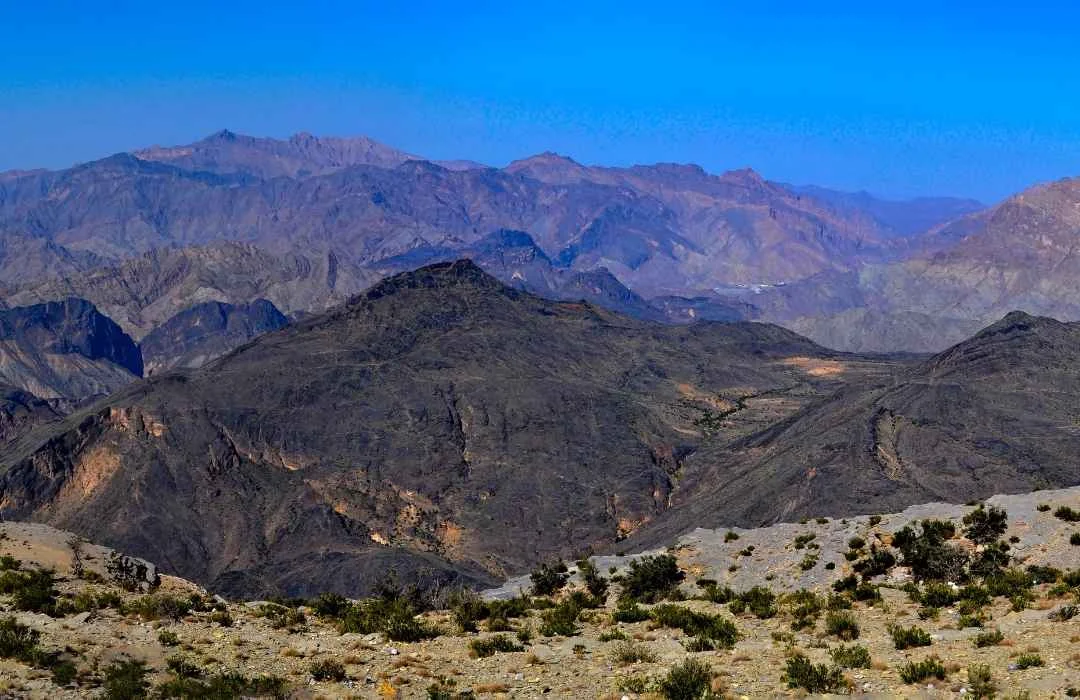
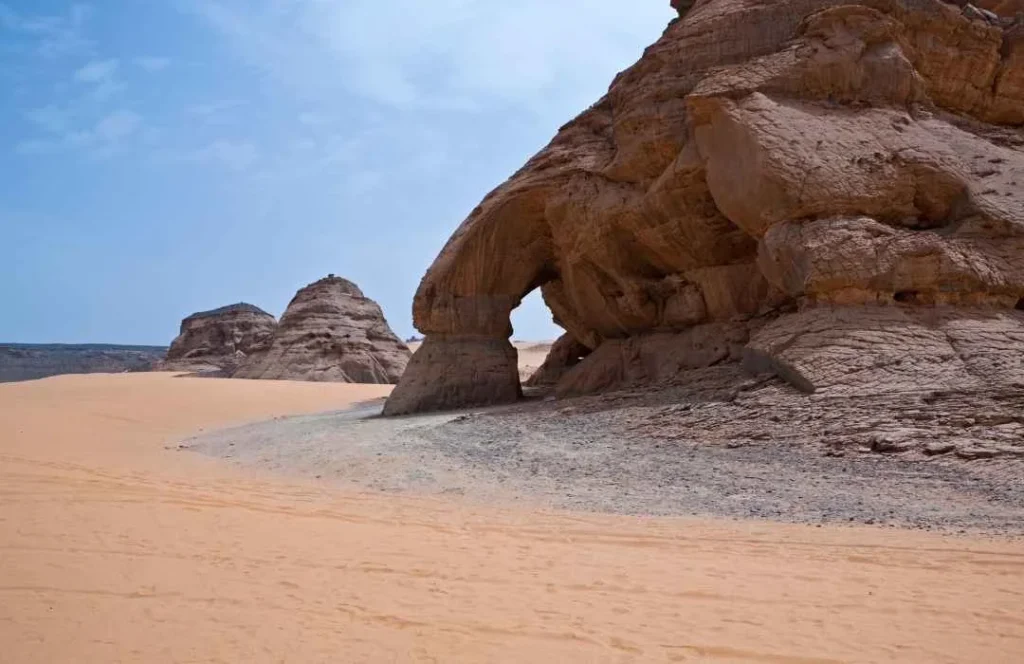
The libya hills and plains form the physical backbone of eastern Libya. These hills are broad and gently sloped. They slow the movement of rainwater, allowing it to soak into the soil rather than erode it.
Hills provide:
- Natural water regulation
- Grazing routes for livestock
- Protection against soil loss
Because the slopes are moderate, they are usable rather than restrictive. Communities have adapted their land use to these forms rather than reshaping them.
Plains as Agricultural Anchors
Between the hills lie open plains. These plains support most of the visible activity in the libya countryside. They are flat enough for farming, deep enough for root systems, and accessible enough for shared use.
Plains allow:
- Rain-fed agriculture
- Rotational grazing
- Seasonal rest for soil
The interaction between libya hills and plains creates a resilient system. Water flows from hills into plains. Nutrients move with it. Land recovers naturally.
Seasonal Valleys and Water Movement
Seasonal valleys, often dry for much of the year, are essential to the eastern Libya environment. When rainfall arrives, these valleys guide water across the landscape in controlled paths.
They help by:
- Recharging nearby soil
- Supporting plant growth along their edges
- Preventing sudden flooding
You may not notice these valleys during dry months, but without them, the libya countryside would lose much of its stability.
Libya Rural Landscapes as Working Environments
Libya rural landscapes are not preserved for display. They are lived in. Land here supports families, animals, and local economies. This reality shapes how land is treated.
Traditional land use includes:
- Farming tied to rainfall rather than irrigation
- Grazing adjusted by season and land condition
- Shared land access based on community norms
This system reduces pressure on any single area. When land shows signs of fatigue, it rests. When rainfall is low, expectations adjust.
Because of this approach, libya rural landscapes remain productive even without heavy infrastructure.
Agriculture Within the Eastern Libya Environment
Agriculture in eastern Libya does not rely on constant inputs. Instead, it depends on observation and timing.
Farmers pay attention to:
- Soil moisture
- Weather patterns
- Land history
This awareness allows agriculture to remain part of the eastern Libya environment, not a force that overwhelms it.
Crops are selected based on suitability rather than maximum yield. Fields are reused carefully. Soil is protected because it is difficult to replace.
Al Marj Eastern Libya: A Clear Case Study
Al Marj provides one of the clearest examples of al marj eastern libya as a functioning natural and rural system. The area surrounding the city shows how settlement, farming, and open land coexist without heavy disruption.
In al marj eastern libya, you observe:
- Fields shaped by terrain
- Villages placed near productive land
- Open countryside remaining accessible
The city does not dominate the land. It adapts to it. This balance is why the surrounding libya countryside remains intact.
One region that reflects this balance clearly is: → Solo Travel Al Marj
→ Green Mountain (Jabal al Akhdar)
Biodiversity in the Libya Countryside
The libya countryside supports quiet biodiversity. You do not see dramatic wildlife concentrations, but life is present and stable.
Common features include:
- Bird species adapted to farmland
- Small mammals using grazing land
- Native plants surviving seasonal shifts
Biodiversity persists because land use remains moderate. There is space for recovery. There is room for movement.
Human Knowledge as an Environmental Asset
One of the most overlooked elements of the eastern Libya environment is local knowledge. Farmers and herders understand land limits through experience, not theory.
They know:
- When soil needs rest
- Which areas recover slowly
- How weather changes affect land
This knowledge protects libya rural landscapes more effectively than external rules alone.
Environmental Stability and Long-Term Resilience – Solo Elite Trip
Eastern Libya’s landscapes remain stable because:
- Land is not forced beyond capacity
- Seasons guide activity
- Communities value continuity
This resilience makes the region environmentally important at a national level.
Why Eastern Libya Nature Matters Today
The importance of eastern Libya nature extends beyond agriculture. These landscapes support food security, rural employment, and environmental balance.
Ignoring them risks:
- Misunderstanding Libya’s geography
- Overlooking sustainable systems
- Losing functional land through neglect
The libya hills and plains, the libya countryside, and libya rural landscapes together form one of the country’s most dependable natural systems.
✅ FAQ
What defines Libya’s rural landscapes?
Libya rural landscapes are shaped by open land, low population density, and a close connection between people and nature. In many regions, especially in eastern Libya, rural life revolves around farming, grazing, and seasonal land use rather than large-scale industry.
These landscapes often include:
- Open plains used for crops or grazing
- Rolling hills with natural vegetation
- Seasonal valleys that collect rainwater
- Small villages surrounded by farmland
This balance between land and daily life defines much of the Libyan countryside.
How does the eastern Libya environment differ from other parts of the country?
The eastern Libya environment benefits from higher elevation and more seasonal rainfall compared to central and southern regions. This creates greener land, healthier soil, and better conditions for agriculture.
In eastern Libya, you notice:
- Cooler temperatures
- More visible plant life during winter and spring
- Natural hills and plains rather than flat desert
These factors make eastern Libya one of the most environmentally diverse parts of the country.
Why is agriculture important in Libya’s countryside?
Agriculture remains central to life in the Libya countryside because it supports local food production and preserves traditional knowledge. Rural communities often rely on small-scale farming rather than industrial systems.
Common agricultural activities include:
- Grain cultivation
- Olive and fruit farming
- Livestock grazing
These practices shape the rural landscape while keeping it productive and sustainable.
What role do hills and plains play in Libya’s rural environment?
Libya hills and plains create natural zones for different land uses. Plains are typically used for farming, while hills support grazing and natural vegetation.
This variation allows rural communities to:
- Rotate land use seasonally
- Reduce soil exhaustion
- Adapt farming to rainfall patterns
It’s a practical relationship between land shape and survival.
Is rural life still active in eastern Libya today?
Yes, rural life remains active, especially around agricultural regions. While cities continue to grow, many families maintain strong ties to the countryside, returning for farming seasons or land management.
This connection helps preserve:
- Rural traditions
- Local environmental knowledge
- Long-term land care
How can travelers experience Libya rural landscapes responsibly?
If travel conditions allow, experiencing rural Libya should focus on respect and observation rather than disruption. Walking through farmland edges, speaking with locals, and learning about land use offer meaningful insight.
Responsible exploration means:
- Avoiding private farmland
- Respecting seasonal activities
- Supporting local communities
Solo Elite Trip — elitetrip.de Written for independent solo travelers.
Want to Share Your Experience?
Have you traveled using one of our guides or found inspiration here?
👉 Share your experience in the comments or send us your story
Your insights help other travelers plan more thoughtful, rewarding journeys.
Latest Reviews
There are no reviews yet. Be the first one to write one.