Solo Leisure Travel: The Complete Elite Guide to Traveling Alone + Free Solo Travel Safety Checklist
Solo Elite Trip · elitetrip.de
TL;DR: Solo leisure travel is no longer niche — more people are choosing to venture out alone, seeking personal growth, adventure, and the freedom to explore at their own pace. This guide covers every dimension: what solo leisure travel actually means, which destinations are built for it, how to budget realistically, how to stay safe, what experiences are worth it, and how to plan a trip that does not feel like a spreadsheet. Skip to any section using the headers below.
Table of Contents
What Is Solo Leisure Travel — and Why It Is Different from Regular Travel
Solo leisure travel is travel taken independently, for enjoyment rather than obligation, at a pace and direction set entirely by the traveler. No compromise on destinations. No negotiating dinner times. No waiting for someone else to be ready.
It is distinct from business travel (obligation-driven) and from group package tours (schedule-driven). The solo leisure traveler chooses both what to do and how long to do it — which is both the freedom and the responsibility of the format.
What makes it leisure specifically is the intention. The goal is not productivity or ticking off a checklist. It is the quality of the experience: time to sit with a coffee in a Lisbon square and watch the trams go by, or to spend three hours in the Uffizi Gallery in Florence without anyone wanting to leave, or to change your plans entirely because a conversation at breakfast opened a better option.
“The solo traveler is the only traveler who can actually follow curiosity where it leads.” — a consistent finding among repeat solo travelers interviewed across travel communities.
Who is actually doing it?
Airbnb’s 2026 travel predictions found that solo trips are among the fastest-rising travel categories, with travelers increasingly seeking authentic and immersive experiences over organized group formats. The demographic has expanded significantly — it is no longer dominated by twenty-something backpackers. Solo leisure travelers in 2026 include professionals in their 30s and 40s who want focused cultural time, retirees experiencing destinations on their own terms for the first time, and parents taking intentional breaks between family responsibilities.
The Real Benefits of Solo Leisure Travel (Beyond the Instagram Version)
| Benefit | What It Actually Means in Practice |
|---|---|
| Complete schedule control | You eat when hungry, sleep when tired, move when ready |
| Deeper local connection | Locals approach solo travelers more readily than groups |
| Accelerated decision-making | Every problem you solve alone builds real confidence |
| Honest self-knowledge | You find out quickly what you actually enjoy vs. what you thought you enjoyed |
| Budget flexibility | You spend on what matters to you, not what the group agreed on |
| Spontaneity | A conversation or a detour can become the best part of the trip |
The mental health case for solo leisure travel is also substantive. According to research from the World Tourism Organization, independent travel encourages personal growth, builds resilience, and introduces travelers to diverse global perspectives.
What the research does not capture is the practical confidence shift. Solo travelers who navigate an unfamiliar city, solve a missed connection, or successfully order a meal in a language they do not speak return home with a different relationship to uncertainty. That is not a minor outcome.
Best Destinations for Solo Leisure Travel in 2026
Not all destinations are equal for solo travelers. The best ones share four qualities: safety, strong public transport, natural social infrastructure (hostels, free tours, group activities), and a culture that does not treat solitary visitors as anomalies.
Here are the destinations that consistently perform across all four — with specific entity-level details, not vague city names.
Lisbon, Portugal — Best for Budget Solo Leisure Travel
Lisbon is the most cost-effective entry point into high-quality solo leisure travel in Western Europe. The city is compact, hilly, and walkable in a way that rewards wandering without a plan.
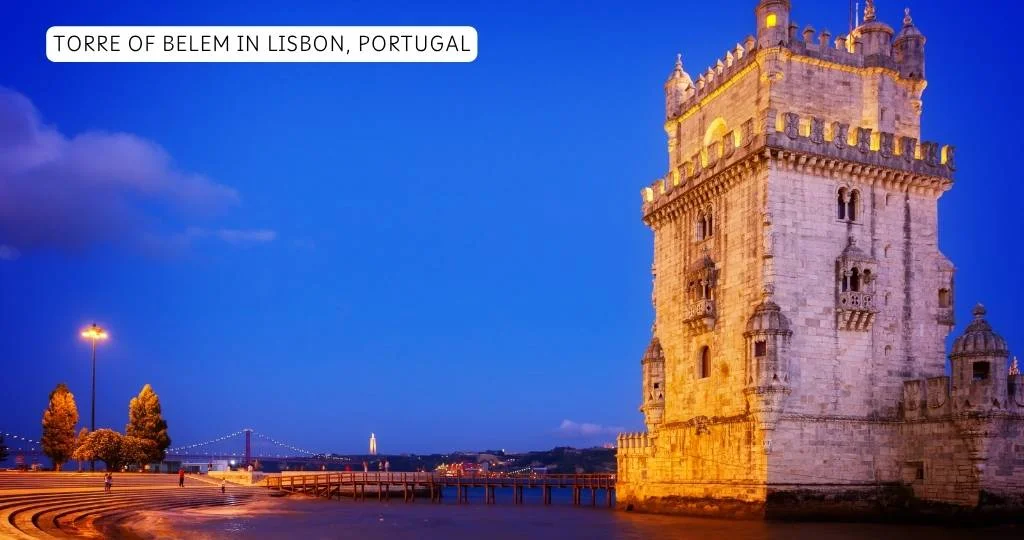
Specific places worth your time:
- LX Factory (Rua Rodrigues de Faria, 103) — a repurposed industrial complex in Alcântara that hosts independent restaurants, bookshops, design studios, and a Sunday market that fills with both locals and travelers. It is the best single spot in Lisbon for spontaneous conversation.
- Time Out Market Lisboa (Avenida 24 de Julho) — not a tourist trap despite appearances. Twenty-four food counters representing the best of Portuguese cuisine under one roof, communal long tables, and the kind of social energy that makes eating alone at 8pm feel like joining a party rather than sitting apart from one.
- Miradouro da Graça — the least touristed of Lisbon’s viewpoints, reliably occupied by locals with wine and bacalhau sandwiches at sunset. Arrive with nothing to do and stay for two hours.
Pro Tip: Avoid the 28E tram unless you are going specifically to ride a historic tram. It is crushingly crowded with tourists and connects nothing particularly useful. Walk Alfama instead — it takes thirty minutes and you see everything the tram shows you plus the streets between.
Budget: €60–90/day (guesthouse, local food, metro and walking)
Tokyo, Japan — Best for Introverted Solo Leisure Travelers
Tokyo is arguably the world’s most solo-travel-optimized city. Its culture treats individual dining, solo cinema attendance, and solitary neighbourhood exploration as entirely normal. The infrastructure is so precise that getting lost is structurally difficult.
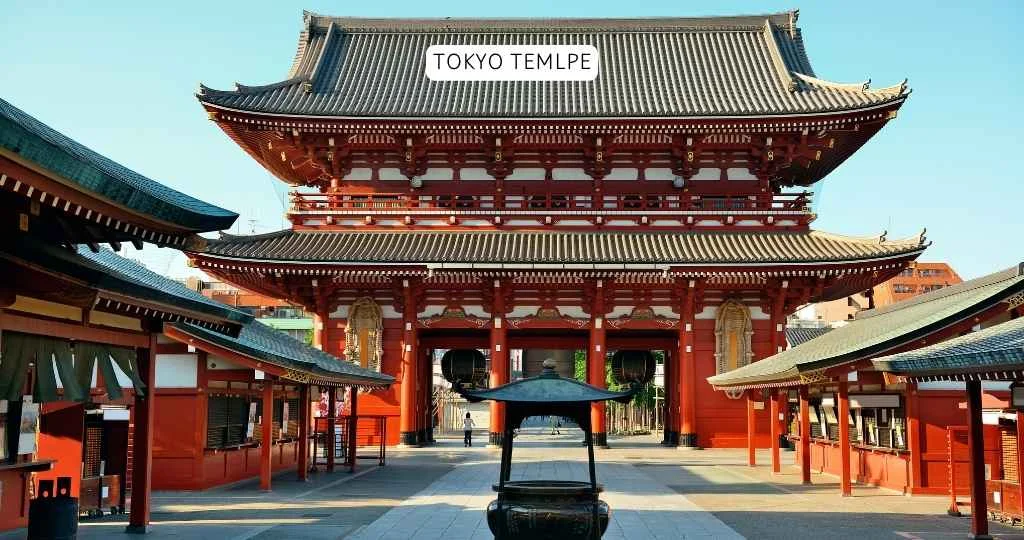
Specific places worth your time:
- Yanaka (Taitō City) — the neighbourhood that survived the 1923 earthquake and the 1945 bombing raids and therefore still looks like pre-war Tokyo. Small temples, independent shops, a cemetery that doubles as a park, and a shotengai (covered shopping street) where the owners are still the original families. It is the antidote to Shibuya.
- Koenji — the neighbourhood that creative Tokyoites move to when they cannot afford Shimokitazawa. Vintage clothing shops, live jazz bars, curry restaurants, and a street festival every September that takes over multiple blocks. Arrives after dinner and follows the music.
- Tsukiji Outer Market (1-chome, Tsukiji, Chūō) — the inner market moved to Toyosu, but the outer market remains: forty vendors selling fresh fish, tamago, nori, and the best tamagoyaki (rolled omelette) available anywhere before 10am.
Pro Tip: Buy a Suica card at Narita or Haneda airport before leaving the arrivals hall. It covers every train, metro, bus, and many convenience store purchases. Trying to buy individual tickets on Tokyo’s railway systems is the fastest route to platform panic.
Budget: €70–110/day (capsule hotel or business hotel, convenience store breakfast, ramen lunch, izakaya dinner)
Medellín, Colombia — Best for Solo Leisure Travelers Who Want Culture and Energy
Medellín’s transformation from its 1990s reputation to a city recognised globally for urban innovation, food culture, and creative arts is one of the most documented changes in recent Latin American history. For solo travelers, it is a destination that rewards engagement — the city is social in a way that makes passivity difficult.
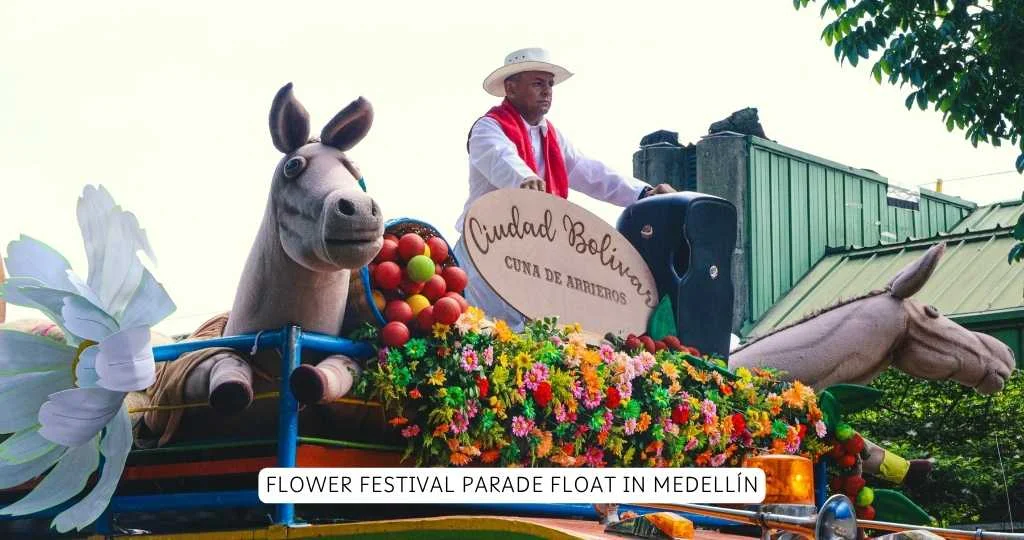
Specific places worth your time:
- El Poblado — the neighbourhood where most international solo travelers base themselves. Safe, walkable, packed with independent cafés (Pergamino on Calle 10 is the specific one worth finding), rooftop bars, and restaurants that range from street arepas to serious Colombian fine dining.
- Plaza Botero (Centro) — 23 sculptures by Fernando Botero in an open public square, surrounded by Medellín’s oldest neighbourhood and the Museo de Antioquia. The contrast between the art and the street life around it is the point, not a problem.
- Metrocable Line K — the gondola system connecting the city centre to the hillside barrios of Santo Domingo Savio. The view over Medellín on the ascent is extraordinary. At the top, the Parque Biblioteca España (library park) designed by Giancarlo Mazzanti integrates into the community in a way worth understanding, not just photographing.
Pro Tip: El Centro is fascinating and walkable during the day, particularly around Parque Berrio and the Pasaje Comercial El Palo. After 6pm, return to El Poblado or Laureles. The contrast between daytime and evening safety is real and worth respecting on a first visit.
Budget: €35–65/day (guesthouse or Airbnb, local food, metro)
Bali, Indonesia — Best for Solo Wellness Leisure Travel
Bali has hosted solo travelers long enough that its infrastructure specifically caters to them. Co-living spaces have exploded in popularity, offering digital nomads and solo explorers built-in communities. The island has a genuine wellness culture — not resort-spa wellness, but the daily spiritual practice of a Hindu society that structures its life around ceremony, offering, and intention.
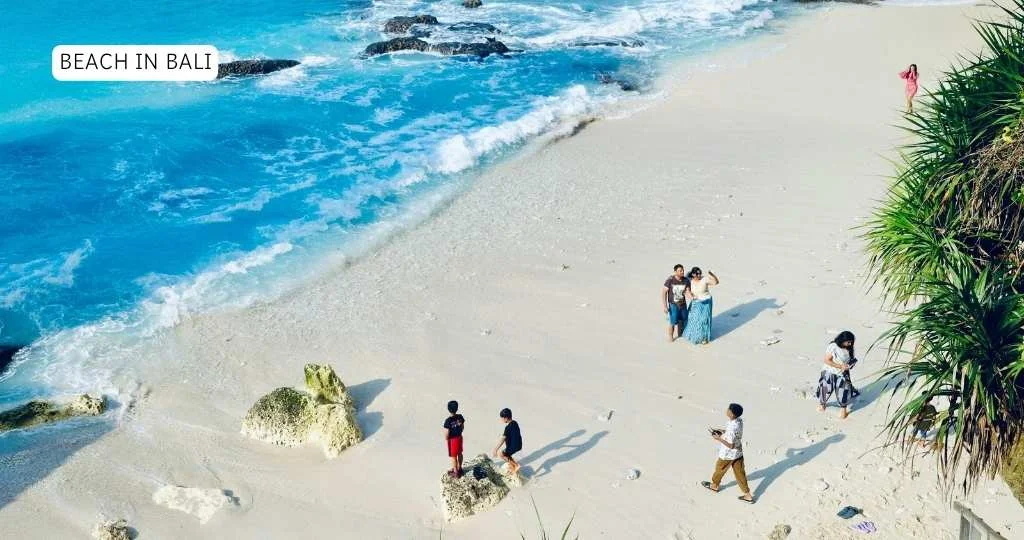
Specific places worth your time:
- Ubud — the creative and spiritual centre of Bali. The Campuhan Ridge Walk (starts behind Warwick Ibah Luxury Villas) is a 9km trail through rice paddies and jungle that takes two hours at walking pace and costs nothing. It is the best single free activity on the island.
- Tirta Empul Temple (Jl. Tirta, Tampaksiring) — a Hindu water temple where the purification ritual using spring-fed pools is open to respectful non-Hindu visitors. Participating rather than photographing is the correct approach.
- Canggu — the neighbourhood for solo travelers who want to find other solo travelers. Finns Beach Club, Old Man’s, and La Brisa are the social anchors. The co-working space Dojo (on Jl. Batu Mejan) is where digital nomads concentrate and conversation happens without effort.
Pro Tip: Rent a scooter in Ubud only if you have genuine scooter experience. The roads in central Bali — narrow, hilly, and shared with trucks — are not where you want to learn. Hire a driver for the first few days (€25–35 for a full day with a local driver who becomes your best information source) and make your riding decision after you understand the road conditions.
Budget: €30–60/day (guesthouse, warungs for food, scooter rental)
Iceland — Best for Solo Leisure Travel Safety and Natural Experience
As of 2026, Reykjavik is named the safest city in the world, which makes Iceland the lowest-friction safety decision for solo leisure travel. The country is English-speaking at near-total levels, its ring road is one of the great self-drive routes in the world, and its natural landscapes produce reactions in visitors that are difficult to manufacture through organised tourism.
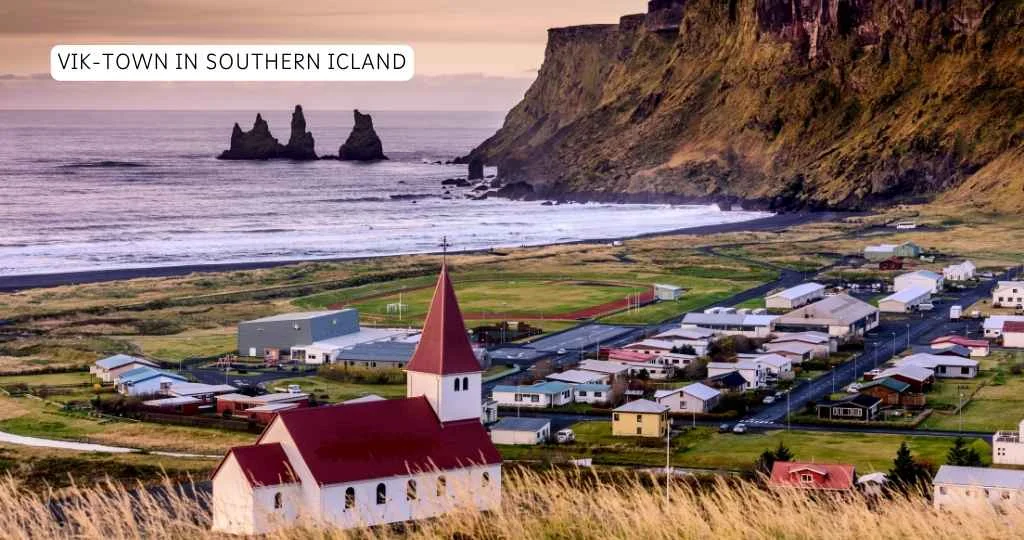
Specific places worth your time:
- Hallgrímskirkja Church (Hallgrímstorg 1, Reykjavik) — the Lutheran church that dominates the Reykjavik skyline. The tower elevator costs €10 and gives the best view of the city and the surrounding mountains. Arrive at sunset in summer (which happens around 11pm).
- Seljavallalaug — a geothermal outdoor swimming pool built in 1923 in a remote valley, reached by a 15-minute walk through a mountain gorge. It is not on the Golden Circle tourist circuit and therefore has actual atmosphere rather than crowds.
- Skógafoss waterfall — one of Iceland’s largest waterfalls, with a staircase to the right of the falls that most visitors ignore, leading to a trail with views over the entire south coast. The waterfall from above is the image no one sees because everyone photographs from below.
Pro Tip: The Blue Lagoon is not a real Icelandic experience — it is a tourism infrastructure product built around a geothermal power plant’s runoff water. It is expensive (€80–120 entry), requires pre-booking months in advance, and has nothing to do with how Icelanders use their natural hot springs. Laugardalslaug (in Reykjavik, €8 entry) is where Reykjavik residents swim, soak, and talk politics. Go there instead.
Budget: €120–180/day (Iceland is genuinely expensive; a campervan rental reduces this significantly)
Solo Leisure Travel Experiences Worth Booking
The best solo travel experiences are not passive. They are the ones that create social context without requiring you to manufacture it yourself.
| Experience Type | Why It Works for Solo Travelers | Specific Examples |
|---|---|---|
| Free walking tours | Group activity, tip-based, ideal day-one orientation | Sandemans in Lisbon, Athens, Prague; Context Travel for deeper cultural focus |
| Cooking classes | Built-in conversation, shared meal at the end | Mama Florence in Florence; Tasting Hanoi in Vietnam |
| Wine/food tastings | Small group, shared sensory experience | Santorini wine tour (Assyrtiko varietals); Mendoza asado in Argentina |
| Day hikes with guides | Physical activity + natural social bonding | Camino de Santiago day sections; Cinque Terre coastal trail |
| Language classes | Instant community, practical skill | Instituto Cervantes (Spanish worldwide); Alliance Française |
| Volunteer experiences | Meaningful contact with local communities | Workaway placements; local community kitchens |
Solo Wellness Leisure Travel: What It Actually Looks Like
Solo wellness travel has expanded significantly beyond the retreat-and-yoga circuit. The term now covers a range of experiences that share one quality: they are specifically better done alone.
Retreat-based wellness: Structured retreats in Bali (Fivelements Retreat on the Ayung River), Costa Rica (Rythmia Life Advancement Center in Guanacaste), and Portugal (Sublime Comporta near the Alentejo coast) offer programmes built specifically for individual participants. They are expensive — typically €150–400/day all-inclusive — but the single supplement issue disappears because retreats are designed for single occupancy.
Urban wellness: Every major city has a wellness infrastructure that solo travelers underuse. Tokyo’s sentō (public bathhouses) and onsen (hot spring baths) are the most efficient stress-reduction tools available for €5–15. Vienna’s Therme Wien (Kurbadstraße 14, Oberlaa) is a geothermal spa complex used by Viennese residents, not just tourists, and costs €18 for a full day. Budapest’s Széchenyi Thermal Bath (Állatkerti körút 9-11) is the most architecturally extraordinary public bathing facility in Europe.
Nature-based wellness: The Japanese concept of shinrin-yoku (forest bathing — the practice of slow, deliberate walking through forested environments for physiological benefit) has genuine scientific backing. Airbnb data shows searches for stays “near a national park” are up 35% in the US in 2026. Forest bathing does not require a programme. It requires a forest and the intention to slow down inside it.
How to Plan a Solo Leisure Trip: A Practical Framework
Most solo travel planning advice is either too vague (“follow your heart”) or too granular (seventeen apps you need to download). This is the middle ground.
Step 1: Define the Type of Trip Before You Define the Destination
Ask three questions before opening any booking site:
- What do I need from this trip? (Rest, stimulation, cultural depth, physical challenge, social contact, solitude)
- How much time do I have and how much do I want to pack in?
- What is my tolerance for discomfort? (Language barriers, navigational uncertainty, unfamiliar food, variable hygiene standards)
Your answers narrow the destination list dramatically. A person who needs rest and has low tolerance for navigational uncertainty should not book a solo trip to Vietnam on their first attempt. A person who wants maximum stimulation and social contact who books a remote yoga retreat will be frustrated within forty-eight hours.
Step 2: Choose Accommodation That Matches Your Social Goal
| If You Want | Choose |
|---|---|
| To meet other travelers | Hostel with communal kitchen and common area |
| Local knowledge and warmth | Family-run guesthouse or B&B |
| Full independence | Apartment rental (Airbnb or equivalent) |
| Predictability and comfort | Business hotel chain |
| Luxury without single supplement penalty | Retreat centres or adult-only resorts |
Step 3: Build a Loose Structure, Not a Full Schedule
The optimal solo leisure itinerary has anchors (accommodation booked, major transport confirmed) and open time (every day has at least three hours with nothing planned). The anchors prevent the anxiety of total uncertainty. The open time is where the best moments happen.
A practical ratio: plan 60% of your days, leave 40% to develop from what you encounter.
Step 4: Know Your Budget by Category Before You Leave
| Budget Category | Budget Solo | Mid-Range Solo | Comfort Solo |
|---|---|---|---|
| Accommodation/night | €20–45 | €50–100 | €100–200+ |
| Food/day | €15–25 | €30–50 | €60–100+ |
| Transport/day | €5–10 | €10–20 | €20–40 |
| Activities/week | €30–60 | €60–120 | €150–300+ |
| Total/day | €40–80 | €100–170 | €200–400+ |
Europe generally: add 30% to Asian destination costs. Caribbean and Pacific islands: add 50–80%.
Solo Leisure Travel Safety: What the Data Actually Shows
Safety perception is the primary barrier keeping people from solo leisure travel. The data is more reassuring than the perception.
The Global Peace Index 2025 (produced annually by the Institute for Economics and Peace) ranks 163 countries on measures including societal safety, militarisation, and ongoing conflict. The top-ranked destinations for safety include Iceland, Ireland, Denmark, Austria, New Zealand, Singapore, and Portugal — all of which appear on solo travel recommendation lists for other reasons simultaneously. Iceland, New Zealand, Singapore, Austria, and others regularly score in the top peace tiers.
The US State Department’s travel advisory system uses a four-level scale. Level 1 (Exercise Normal Precautions) and Level 2 (Exercise Increased Caution) cover the vast majority of popular solo leisure travel destinations. Checking the current advisory for your specific destination at travel.state.gov before booking takes three minutes and is the most efficient safety research available.
The practical safety toolkit for solo leisure travelers:
- Share your itinerary with someone at home — not a vague “I’m going to Europe” but specific accommodation names and phone numbers, updated when plans change.
- Use digital copies of your passport, insurance documents, and accommodation bookings stored in cloud storage accessible from any device.
- Understand your insurance before you need it. Most travel insurance policies exclude activities marked as “high risk” (scooter riding without a licence, certain water sports). Read the exclusions before the incident, not after.
- Know the local emergency number. It is not always 911. In Europe it is 112. In Japan it is 110 (police) and 119 (fire/ambulance). In Australia it is 000.
- Trust your instincts immediately. Solo travelers who dismiss discomfort signals because they “don’t want to be rude” or “might be overreacting” consistently report that the instinct was correct.
Safety by destination type:
| Destination Type | Primary Risks | Mitigation |
|---|---|---|
| European cities | Pickpocketing in crowded areas | Cross-body bag, no back-pocket phone |
| Southeast Asia | Scooter accidents, food safety | Ride only if experienced, bottled water |
| Latin America | Street crime in specific areas | Research neighbourhoods, licensed taxis |
| Middle East | Cultural misunderstanding, documentation | Research local customs, dress codes |
| Remote/nature | Medical emergencies far from care | Insurance covering evacuation, communication device |
Solo Leisure Travel Trends Shaping 2026
Slow travel is the dominant shift. Rather than visiting six countries in twelve days, solo leisure travelers are spending two to three weeks in one or two destinations. The motivations are partly economic (fewer transport costs) and partly experiential — depth over breadth is increasingly valued. Today’s solo travelers want to be immersed in local culture, discover hidden gems, and engage in sustainable travel practices.
The digital nomad overlap is growing. Remote work has permanently changed the calculus of solo leisure travel. Many travelers are no longer choosing between work and leisure on a trip — they are designing trips where both coexist. A month in Lisbon with work mornings and leisure afternoons costs less than a week of equivalent leisure in a traditional tourist format.
Experience-first booking is replacing attraction-first. Food and drink experiences are among the most booked categories on Airbnb, with wine tourism seeing a spike in bookings for 2026. Solo travelers are building itineraries around a cooking class, a wine harvest, a local festival, or a cooking tradition — and finding accommodation around that anchor rather than the reverse.
Off-peak and off-map destinations are growing. Countries like Britain, Iceland, and Japan are gaining popularity as solo travel destinations for those eager to explore hidden corners of the world. Less visited within well-known countries is also a pattern — not Santorini but Naxos; not Tokyo but Kanazawa; not Rome but Naples.
FAQ – Solo Leisure Travel
Is solo leisure travel safe for first-time independent travelers?
Yes, with appropriate destination selection. First-time solo leisure travelers do best in countries with strong English-language infrastructure, reliable public transport, and low crime rates — Portugal, Japan, New Zealand, Iceland, and the Netherlands consistently fit this profile. Avoid beginning your solo travel experience in destinations with significant language barriers, complex visa requirements, or elevated safety concerns.
How do I deal with loneliness as a solo leisure traveler?
Loneliness on solo trips is real and worth planning for rather than dismissing. The most effective structural solutions: choose accommodation with communal spaces, book at least one group activity per two days, eat at counters and bars rather than isolated tables, and use free walking tours as a day-one social reset. Loneliness usually peaks on day two of any trip and resolves by day four when routine establishes itself.
What is the single supplement and how do I avoid it?
Hotels charge a single supplement — typically 70–90% of the double room rate — because the room costs the same whether one or two people occupy it. To avoid it: book guesthouses and hostels (which price per person rather than per room), choose retreat centres (designed for single occupancy), use apartment rentals (no supplement structure), or travel in shoulder season when hotels negotiate rates more flexibly.
Is solo leisure travel more expensive than group travel?
Per-day costs are often higher solo (no room-sharing, no splitting transport costs), but total trip costs can be lower because solo travelers make more efficient decisions — shorter stays in expensive cities, longer stays in cheap ones, food choices based on personal appetite rather than group consensus. The gap narrows significantly when you use hostels with private rooms, cook occasionally in apartment kitchens, and travel by public transport.
What apps actually help solo leisure travelers?
The useful ones: Maps.me (offline maps, no data required), Google Translate with camera function (reads menus, signs, in real time), Rome2Rio (compares every transport option between any two points on earth), Meetup (finds local group activities and events wherever you are), and your bank’s app with international fee notifications enabled. Everything else is optional.
How long does a solo leisure trip need to be to feel worthwhile?
Five days is the minimum for a meaningful experience in a single destination — three days to overcome disorientation, two days to actually be present. Seven to ten days is optimal for most solo leisure travelers, allowing depth in one or two places without the diminishing returns of over-extension. Trips shorter than four days often feel more exhausting than restorative because the logistics consume too large a proportion of the available time.
The Solo Leisure Traveler’s Honest Final Word
Solo leisure travel is not about being alone. It is about being free.
Free to spend your entire afternoon in a bookshop in Porto because something interesting is happening there. Free to skip the famous museum and eat three different things from three different street vendors in the same hour. Free to change your flight home because the place you arrived in turns out to be worth one more day.
That freedom has a cost — you carry every decision, every small logistical challenge, every moment of uncertainty alone. And it has a return that group travel rarely delivers: the experience is entirely yours. The memory is not filtered through anyone else’s reaction to it.
The traveler who comes back from a solo leisure trip is measurably different from the one who left. Not dramatically, not in every case, but in the specific way that solving problems you did not expect to face and finding pleasure you did not plan for changes a person’s relationship to uncertainty.
That is worth the price of the ticket.
Solo Elite Trip — elitetrip.de Written for independent solo leisure travelers.
You might also read
📥 And if you want a printable version of everything above, download my free Solo Travel Safety Checklist — it covers packing, apps, insurance, and state-by-state pepper spray laws in one page.
Want to Share Your Experience?
Have you traveled using one of our guides or found inspiration here?
👉 Share your experience in the comments or send us your story
Your insights help other travelers plan more thoughtful, rewarding journeys.
Latest Reviews
There are no reviews yet. Be the first one to write one.