Travel to Munich, UK Guide, Itineraries & Hidden Gems
Munich is not a city you visit accidentally. It is a city you understand gradually. Known in German as München, the capital of Bavaria represents one of Europe’s most structurally balanced urban experiences. It blends medieval foundations, royal legacy, industrial precision, cultural refinement, and contemporary prosperity without losing identity. If you plan to travel to Munich Germany, this pillar guide will give you depth, clarity, and strategy — not surface-level tourism tips.
This expanded guide is intentionally comprehensive. It explores history, urban design, neighborhoods, food systems, transportation, flights to Munich Germany, day trips, seasonal strategy, budgeting, cultural psychology, and a detailed section for travel to Munich from UK — all without repetition or generic filler.
Table of Contents
Why Travel to Munich Germany? A City of Balance, Wealth, and Alpine Soul
Travel to Munich Germany is not about chasing chaos, nightlife extremes, or dramatic contrasts. It is about discovering balance — between tradition and modernity, prosperity and simplicity, structure and relaxation.
Munich, or München as locals call it, sits in southern Germany near the Austrian border, framed by the Bavarian Alps. Unlike Berlin’s rebellious energy or Frankfurt’s financial sharpness, Munich moves with confidence and quiet stability. It does not try to impress — yet it consistently does.
For international travelers, Munich Germany offers something rare: a city that feels polished but not overwhelming. Clean streets, organized public transport, elegant architecture, and immediate access to nature create a sense of calm that many European capitals lack.
For UK travelers especially, Munich is one of the easiest continental escapes. Flights are short, English is widely spoken, and the city’s layout is intuitive. Within hours of landing, you can be sitting in a historic square, surrounded by Gothic towers and alpine air.
But what truly defines Munich is its layered identity.
It is:
- A former royal capital of the Bavarian Kingdom
- One of Europe’s strongest economic hubs
- The heart of German beer culture
- A gateway to lakes, mountains, and fairy-tale castles
Yet it remains deeply regional.
While many German cities feel nationally oriented, Munich feels Bavarian first. That regional pride shapes everything — from architecture to food, from dress to social behavior. This distinct cultural personality is one of the strongest reasons to travel to Munich instead of another German city.
Munich also appeals to different types of travelers:
For cultural explorers – Baroque churches, royal palaces, and centuries of artistic heritage.
For nature lovers – Day trips to the Alps, crystal lakes, and scenic hiking trails.
For food enthusiasts – Traditional Bavarian cuisine and beer halls dating back centuries.
For relaxed city travelers – Wide boulevards, parks, and a pace that encourages slow discovery.
Unlike cities that overwhelm visitors with size or density, Munich is compact. Major attractions are walkable, neighborhoods feel human-scaled, and transitions between districts are smooth. You can explore deeply without exhaustion.
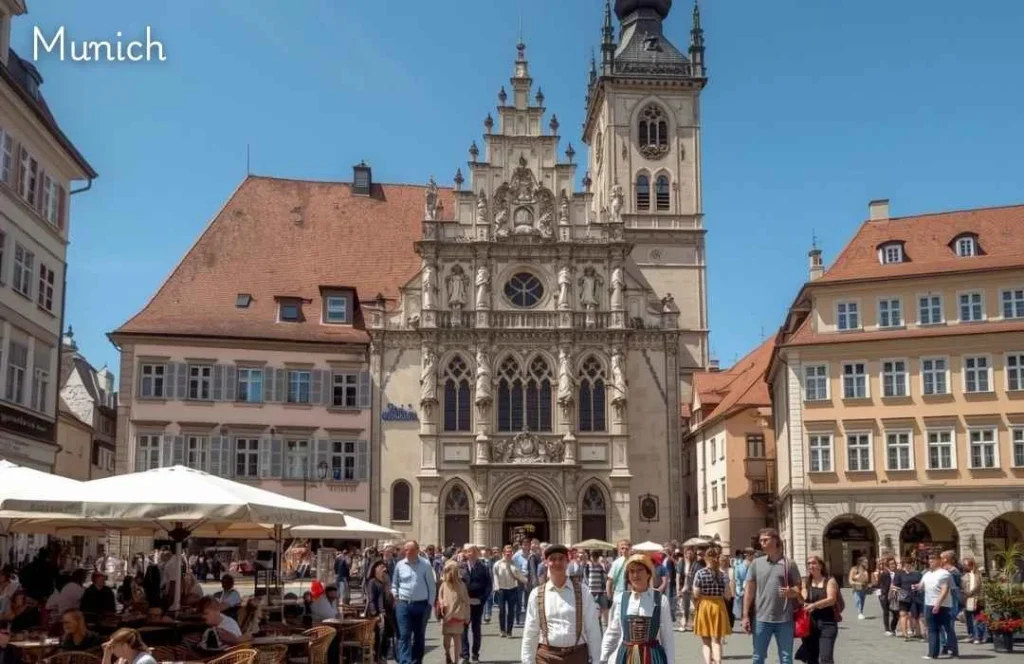
Another defining strength of München Germany is its economic confidence. As home to global companies like BMW and major technology firms, Munich consistently ranks among Europe’s wealthiest cities. This prosperity translates into excellent infrastructure, safety, and quality of life — factors that matter significantly for international visitors.
But wealth alone does not create character.
What makes Munich memorable is how it combines prosperity with tradition. In one afternoon, you can tour a royal palace, stroll through a minimalist modern museum, and then sit at a wooden communal table in a centuries-old beer garden surrounded by locals wearing traditional attire — not for show, but for identity.
This blend of old and new is not curated for tourists. It is lived daily.
Munich is also geographically strategic. From here, you can easily reach:
- Neuschwanstein Castle
- Salzburg in Austria
- The Bavarian Alps
- Crystal-clear alpine lakes
That makes travel to Munich Germany more than a city break — it becomes a regional gateway experience.
For travelers deciding between Berlin, Vienna, or Munich, the question becomes personality-based rather than attraction-based. Munich does not shout. It does not demand attention. It rewards those who appreciate detail, rhythm, and subtlety.
If Berlin represents experimentation and Vienna represents imperial elegance, Munich represents structured harmony.
And that harmony is why so many visitors return.
München Germany: The History That Shaped the City
To understand modern Munich Germany, you must look beyond its clean boulevards and orderly tram lines. Beneath the polished surface lies a city shaped by monarchy, religion, war, ambition, and reconstruction.
Munich was officially founded in 1158. Its name derives from the Old High German word “Munichen”, meaning “by the monks.” The city grew around a Benedictine monastery and a salt trade route that connected southern Europe to northern markets. From the beginning, Munich’s prosperity was tied to strategic geography and commerce.
By the 13th century, Munich became the residence of the Wittelsbach dynasty — a ruling family that would shape Bavaria for over 700 years. Their influence transformed the city from a trading settlement into a political and cultural center.
The Bavarian Kingdom and Royal Influence
In 1806, Bavaria became a kingdom under King Maximilian I, aligning with Napoleon during the reshaping of Europe. Munich evolved into a royal capital. Monumental squares, grand boulevards, and classical architecture began to define the urban landscape.
King Ludwig I (1825–1848) played a decisive role in shaping Munich’s architectural identity. Inspired by Italian Renaissance and Greek classical design, he commissioned projects that still define the city center today. The wide avenues around Königsplatz reflect this period of cultural ambition.
But it was King Ludwig II — often called the “Fairy Tale King” — who embedded romantic imagination into Bavaria’s legacy. Though more associated with castles outside Munich, his era reinforced the idea of Bavaria as distinct, dreamlike, and culturally rich.
This royal heritage still influences München Germany. Unlike Berlin, which evolved as a political capital, Munich’s identity grew from monarchy and regional pride.
Industrial Growth and Cultural Development
The late 19th century brought industrial expansion. Railways connected Munich to Vienna, Berlin, and Italy. Manufacturing, publishing, and engineering flourished. The city attracted intellectuals, artists, and thinkers.
Neighborhoods like Schwabing became hubs of philosophy and literature. Munich developed a reputation not only as a royal capital but also as a cultural laboratory.
Breweries expanded during this time as well, cementing beer culture as both economic and social infrastructure. Beer halls were not tourist attractions — they were civic spaces where locals gathered for political debate and daily life.
Curious to explore timeless culture, coastal beauty, and rich history? Discover everything you need to know about travel and tourism in Greece and start planning an unforgettable journey.
World War I and Political Turmoil
After Germany’s defeat in World War I, Munich became a center of political instability. Revolutionary movements briefly declared a Bavarian Soviet Republic in 1919 before being suppressed.
During the 1920s and early 1930s, Munich gained a darker historical association. It became an early base for the National Socialist movement. Many significant events of that era originated here, leaving a complex historical legacy.
Today, Munich addresses this past through documentation centers and preserved sites that encourage reflection rather than glorification. This willingness to confront history contributes to the city’s mature identity.
Destruction and Reconstruction After World War II
World War II severely damaged Munich. Large parts of the historic center were destroyed by air raids. After 1945, the city faced a critical decision: rebuild modern, or restore historical character.
Munich chose restoration.
Instead of replacing its old town with concrete modernism, the city reconstructed many historic buildings in their original style. This decision preserved visual continuity and explains why central Munich feels cohesive rather than fragmented.
This careful reconstruction is one reason travelers often perceive Munich as timeless.
Post-War Prosperity and Modern Economic Power
The decades following the war brought rapid economic growth. Munich became a hub for automotive engineering, technology, media, and finance. Companies such as BMW expanded globally from here.
The 1972 Olympic Games marked a symbolic transformation. Modern architecture, including the iconic Olympic Park design, signaled Munich’s emergence as a forward-looking city.
Today, Munich consistently ranks among Europe’s cities with the highest quality of life. Its economic stability supports public infrastructure, cultural institutions, and environmental planning.
Yet despite global corporate presence, Munich never lost its regional identity.
The historic core remains central to daily life. Markets, churches, and traditional establishments continue operating not as preserved attractions, but as living parts of the city.
This continuity between medieval origins, royal ambition, post-war rebuilding, and modern innovation explains why Munich feels structured rather than chaotic.
History here is layered, but not overwhelming.
And to truly understand why that layered stability matters, we now need to examine the deeper cultural identity that defines Bavaria itself.
Understanding Bavarian Identity – The Cultural Soul of Munich
Travel to Munich Germany is not complete without understanding the cultural foundations that make the city unique. Beyond royal history and modern infrastructure lies a living Bavarian identity, deeply ingrained in everyday life.
Bavaria, and Munich in particular, is not merely a political region. It is a distinct cultural entity. While Germany has diverse regional identities, Munich often feels Bavarian first, German second. This sense of regional pride permeates architecture, festivals, cuisine, dress, and social behavior.
Bavarian vs German Identity
Historically, Bavaria was an independent kingdom. Even after joining modern Germany, local residents maintained a strong cultural identity. Bavarians are known for:
- Regional dialects (Bairisch)
- Celebration of local traditions
- Loyalty to local institutions and festivals
- A strong connection to Catholic heritage
For travelers from the UK, this regionalism is immediately visible in the city’s atmosphere — from the preserved architectural style to neighborhood customs.
Gemütlichkeit: More Than a Feeling
No word perfectly translates from German, but Gemütlichkeit embodies warmth, belonging, comfort, and social harmony. You experience it in:
- Communal beer gardens
- Neighborhood squares
- Family-centered festivals
- Slow-paced Sunday afternoons
Gemütlichkeit is why Munich feels simultaneously bustling and relaxed, a rare balance in Europe.
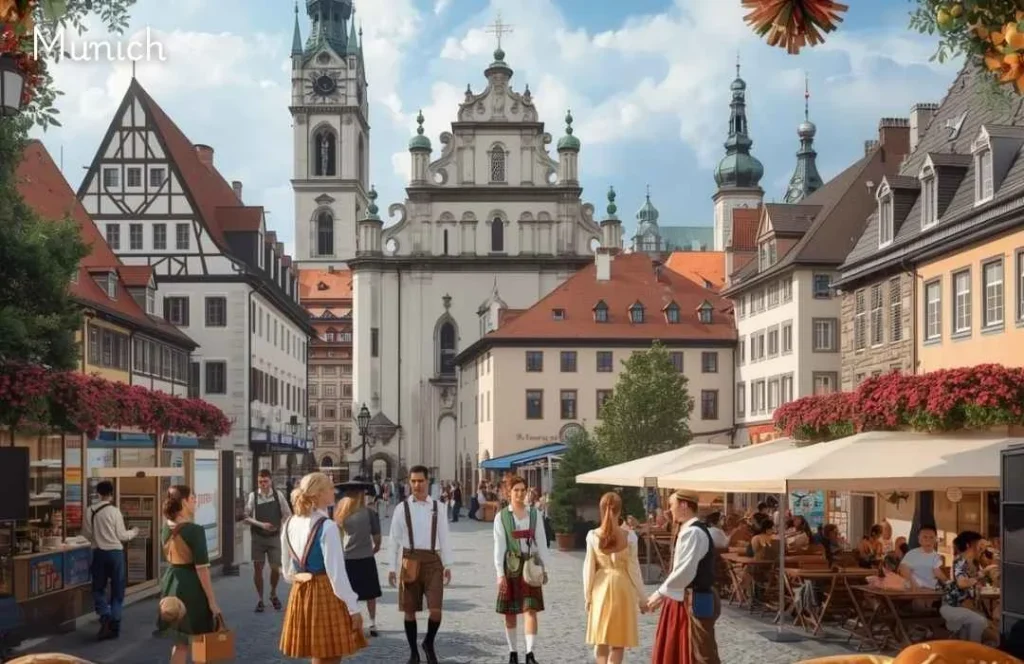
Traditional Dress: Dirndl and Lederhosen
Contrary to tourist misconceptions, traditional Bavarian clothing is not merely decorative. Historically:
- Lederhosen: Durable leather trousers for Alpine farmers
- Dirndl: Practical maid dress for rural women
Even today, Munich locals wear traditional attire proudly during Oktoberfest, Fasching (carnival), and cultural events. For visitors, this offers a tangible link to centuries of heritage.
Religion and Social Etiquette
Munich’s Catholic roots shaped more than architecture. Social interactions, public holidays, and cultural norms reflect centuries of religious influence:
- Respect for tradition and ceremony
- Family-centered gatherings
- Community-oriented celebrations
Understanding these subtleties enhances travel experience, allowing visitors to engage respectfully with local customs.
Bavarian Work Ethic Meets Leisure
Munich balances industriousness with relaxation. Economic prosperity is evident through clean streets, efficient public transport, and thriving businesses. Yet this is paired with cultural priorities: slow meals, communal events, and extensive green spaces. For British travelers accustomed to city bustle, this balance can be surprising but refreshing.
Munich vs Berlin vs Vienna – Which City Should You Choose?
For travelers trying to decide between Munich, Berlin, or Vienna, understanding the nuanced differences can transform your trip from generic sightseeing into a tailored experience. Each city represents a distinct personality and cultural approach.
Vibe Comparison
Munich (München)
- Polished, calm, and prosperous
- Strong Bavarian traditions combined with modern innovation
- Emphasis on structured leisure, green spaces, and Gemütlichkeit
Berlin
- Creative, edgy, and fast-paced
- Known for contemporary art, vibrant nightlife, and political history
- Emphasizes experimentation over tradition
Vienna
- Imperial elegance and historical refinement
- Music and café culture dominate daily life
- Slower, more formal pace than Munich or Berlin
For British travelers, Munich often feels familiar yet different: organized, safe, and culturally rich without overwhelming scale.
Architecture & Visual Identity
| Feature | Munich | Berlin | Vienna |
|---|---|---|---|
| Historic Core | Baroque, Rococo, Neo-classical | Mix of modern, Prussian, postwar | Imperial Habsburg style, Baroque |
| Modern Structures | Olympic Park, BMW Museum | Berlin TV Tower, Bauhaus influence | Vienna modern museums, contemporary offices |
| Streetscape | Clean, wide boulevards, parks | Chaotic, diverse | Orderly, symmetrical |
| Public Spaces | Communal beer gardens, squares | Squares with mixed use, street art | Coffeehouse squares, ceremonial plazas |
Munich’s architecture reflects a blend of royal history and careful modern integration — a city that preserves past grandeur while embracing contemporary design.
Nightlife & Social Culture
Munich
- Beer gardens are communal and relaxed
- Bars and clubs are more structured than Berlin
- Emphasis on social balance, not extreme nightlife
Berlin
- Clubs open until morning, experimental music scenes
- Nightlife culture is edgy and diverse
- Less predictable and more chaotic
Vienna
- Cafés and wine bars dominate evenings
- Music performances take precedence over bars
- Nights are quieter and refined
For UK travelers seeking social immersion without chaos, Munich provides a perfect middle ground.
Cost & Practicality
- Munich is generally more expensive than Berlin but comparable to Vienna.
- Accommodation ranges from boutique city-center hotels to budget hostels.
- Daily expenses for a mid-range UK traveler average £170–£200.
- Public transport is reliable, punctual, and easy to navigate.
When to Choose Munich
- You value structure over chaos
- You enjoy traditional European culture
- You want easy access to Alpine nature and day trips
- You prefer a blend of historical charm and modern convenience
When Berlin Wins
- You want cutting-edge art, nightlife, and experimental culture
- You prefer lower accommodation costs
- You enjoy political history and alternative city districts
When Vienna Wins
- You seek imperial elegance and classical music
- Café culture and leisurely afternoons appeal to you
- You prefer a more formal, structured social environment
Strategic Tip for UK Travelers
For British visitors, Munich is one of the easiest continental escapes:
- Less than 2 hours flight from London
- English widely spoken
- Layout is intuitive, neighborhoods are walkable
- Public transport efficiency rivals London Underground, but with cleaner streets and scenic routes
For travelers craving depth and excitement, explore Epic Adventure Travel Experiences Beyond the Ordinary and uncover journeys that go far beyond typical travel.
Things to Do in Munich Germany
Munich is a city where history, modern life, and Bavarian tradition intersect. Whether you are on a short city break or a longer exploration, there is a wide range of experiences to choose from. Here we focus on the must-see attractions and activities that define Munich without repeating cultural context already covered.
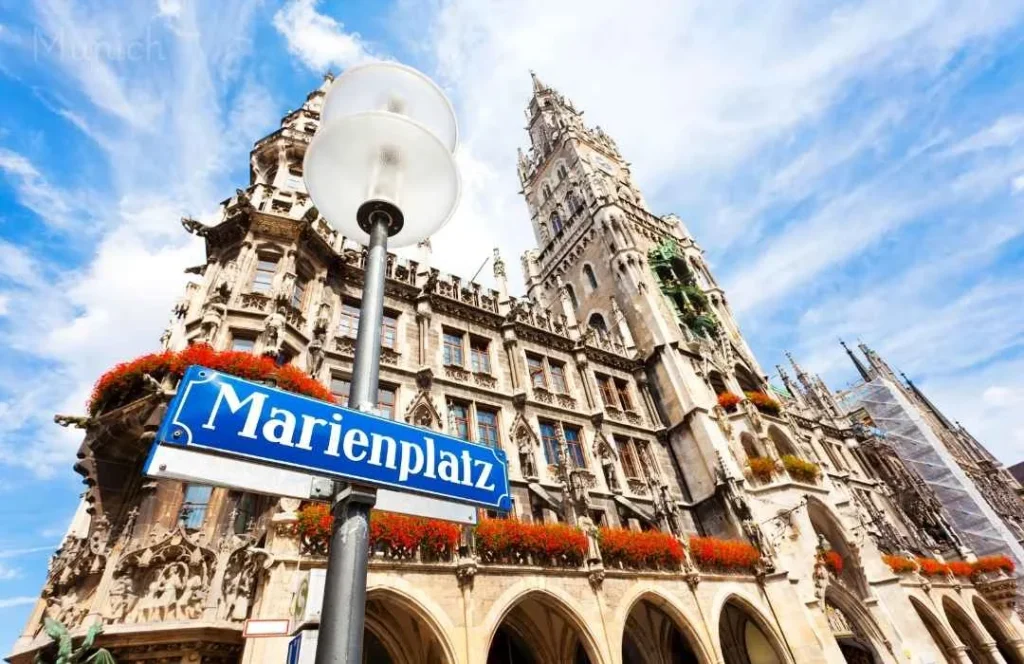
Marienplatz – The Heart of Munich
Marienplatz is Munich’s central square and the natural starting point for any visit. The square features:
- Neues Rathaus (New Town Hall) with its famous Glockenspiel
- Historic fountains and statues
- Daily street performances and markets
Tip for travelers: Arrive in the morning to watch the Glockenspiel animation. It’s less crowded and gives you excellent photo opportunities.
Nymphenburg Palace – Royal Splendor
Once the summer residence of the Bavarian monarchy, Nymphenburg Palace is a testament to baroque architecture and opulent gardens.
Highlights include:
- Extensive palace park and waterways
- Decorative interiors showcasing royal life
- Marstallmuseum (carriage museum)
Visitors can spend half a day exploring the grounds, ideal for those who love both architecture and green space.
English Garden – Nature in the City
One of the largest urban parks in the world, the English Garden offers:
- Walking and cycling paths along the Isar River
- The Eisbach River surfing spot
- Traditional beer gardens like the Chinese Tower
Pro tip: Stop at a riverside beer garden for a relaxed afternoon experience that blends social life with nature.
Viktualienmarkt – Culinary Exploration
Viktualienmarkt is a daily market where locals shop for fresh produce, meats, cheeses, and specialty Bavarian items. Visitors can:
- Sample traditional sausages and pastries
- Buy fresh flowers or local crafts
- Observe daily Munich life
It’s an excellent spot to combine sightseeing with culinary adventure.
BMW Museum & Olympiapark – Modern Munich
For those interested in modern technology and architecture:
- BMW Museum: Displays automotive history, design evolution, and concept cars
- Olympiapark: Built for the 1972 Olympics, features unique tensile roof architecture and city views from the Olympic Tower
These sites provide a modern contrast to Munich’s historical and royal landmarks.
Museums & Art Galleries
Munich’s art scene is vibrant and diverse:
- Pinakothek Museums: Covering old masters, modern art, and contemporary pieces
- Deutsches Museum: The world’s largest science and technology museum
- Lenbachhaus: Focused on the Blue Rider movement
Tip: Purchase a museum pass for multi-site access at discounted rates, especially if staying for several days.
Day Trips – Extending Beyond the City
Munich’s location allows easy excursions:
- Neuschwanstein Castle: About 2 hours by train, a fairytale landmark
- Dachau Concentration Camp Memorial: For historical reflection
- Lake Starnberg or Ammersee: Quick escapes for nature and relaxation
Each option adds a unique layer to your Munich itinerary, from cultural depth to natural beauty.
Local Events and Seasonal Activities
- Oktoberfest (late September – early October): Iconic beer festival with traditional music, cuisine, and attire
- Christmas Markets (December): Handcrafted gifts, mulled wine, festive lights
- Munich Film Festival (summer): Combines international cinema with local culture
Engaging in these events enhances the city experience beyond typical sightseeing.
Neighborhood Walks – Discovering the Local Side
Even within the city center, neighborhoods reveal different Munich identities:
- Schwabing: Bohemian, artistic, historic
- Haidhausen: Cobblestone streets, quiet squares, local cafes
- Glockenbachviertel: Modern, LGBTQ+ friendly, vibrant nightlife
Tip: Take at least one walking tour outside the tourist hubs to capture Munich’s daily rhythm.
Practical Travel Tips for Attractions
- Most major sights are walkable, but Munich’s U-Bahn and trams provide convenient access
- Arrive early to avoid queues at palaces and museums
- Combine multiple attractions by neighborhood to minimize transit time
These strategies maximize sightseeing efficiency, especially for UK travelers on shorter stays.
Hidden Gems & Local-Only Districts in Munich
Beyond Munich’s iconic landmarks, the city offers neighborhoods and experiences that are often overlooked by tourists. These areas provide a true sense of local life, revealing the rhythms, flavors, and traditions that make München unique.
Exploring these hidden gems adds depth to your trip and uncovers authentic cultural experiences that standard guides rarely cover.
Glockenbachviertel – Creative Heart of the City
Glockenbachviertel is Munich’s hub for creativity, LGBTQ+ culture, and boutique living.
- Narrow streets lined with independent shops and cafés
- Vibrant street art and murals
- Nightlife that blends sophistication with alternative culture
Here, you can spend a relaxed evening in local bars or wander through quirky stores, far from the tourist crowds of Marienplatz.
Haidhausen – The Village Atmosphere
Often referred to as the “French Quarter of Munich,” Haidhausen combines cobblestone streets with historic architecture. Key highlights:
- Hidden courtyards and small plazas
- Local bakeries and cafés serving traditional Bavarian pastries
- The Gasteig cultural center with music, theatre, and art exhibitions
Walking through Haidhausen gives visitors a glimpse of Munich’s day-to-day rhythm and community life.
Westend – Industrial Roots & Authentic Taverns
Westend is an industrial-chic neighborhood blending old factories with modern developments.
- Traditional beer taverns that have served locals for decades
- Street markets featuring multicultural foods
- Artistic murals and small galleries
This district captures Munich’s working-class heritage while offering a contemporary cultural twist.
Schwabing – Intellectual & Bohemian History
Schwabing was historically the city’s bohemian quarter, attracting artists, writers, and intellectuals.
- Cafés and literary salons inspired by early 20th-century culture
- Historic architecture combined with modern shops
- Vibrant street culture, particularly near Leopoldstraße
Exploring Schwabing immerses visitors in Munich’s creative spirit and intellectual past.
Insider Tip: Combining Hidden Gems
For a half-day local experience:
- Start with breakfast in Haidhausen
- Stroll along the Isar River toward Glockenbachviertel
- Stop at Westend for lunch at a traditional tavern
- End the day with an evening in Schwabing for café culture or boutique shopping
This route avoids tourist congestion while showing Munich’s multi-layered identity.
Secret Gardens & Quiet Spots
- Alter Südfriedhof: A peaceful historic cemetery with baroque tombs
- Botanical Garden Munich-Nymphenburg: A lesser-known green oasis next to the palace
- Viktoriapark Mini-Lakes: Small, serene spaces perfect for reflection
These sites offer quiet interludes, perfect for travelers who appreciate calm and authenticity.
Why Exploring Local Districts Matters
Tourists often focus only on central landmarks, but local neighborhoods reveal the soul of Munich. In these districts, you see:
- Real daily life and community habits
- Local cafés, markets, and artisanal shops
- Neighborhood festivals and cultural rituals not designed for visitors
For UK travelers, spending time in these areas creates memorable experiences far beyond conventional sightseeing.
Food & Beer Culture – A Deep Bavarian Dive
Munich’s culinary identity is inseparable from its history and daily life. Exploring the city without understanding its food and beer culture is like reading only half a story. This section dives into traditional dishes, brewing history, and gastronomic experiences that define Munich.
The History of Beer in Munich
Beer has shaped Munich for centuries. The city’s brewing tradition dates back to the Reinheitsgebot of 1516, the German Beer Purity Law, which regulated ingredients and established quality standards.
- Beer halls historically served as public meeting points, not just drinking spots
- Brewing dynasties, like Paulaner and Augustiner, influenced local economy and culture
- Beer remains a symbol of community rather than mere consumption
For travelers, this context transforms a simple pint into a cultural experience.
Iconic Beer Halls & Gardens
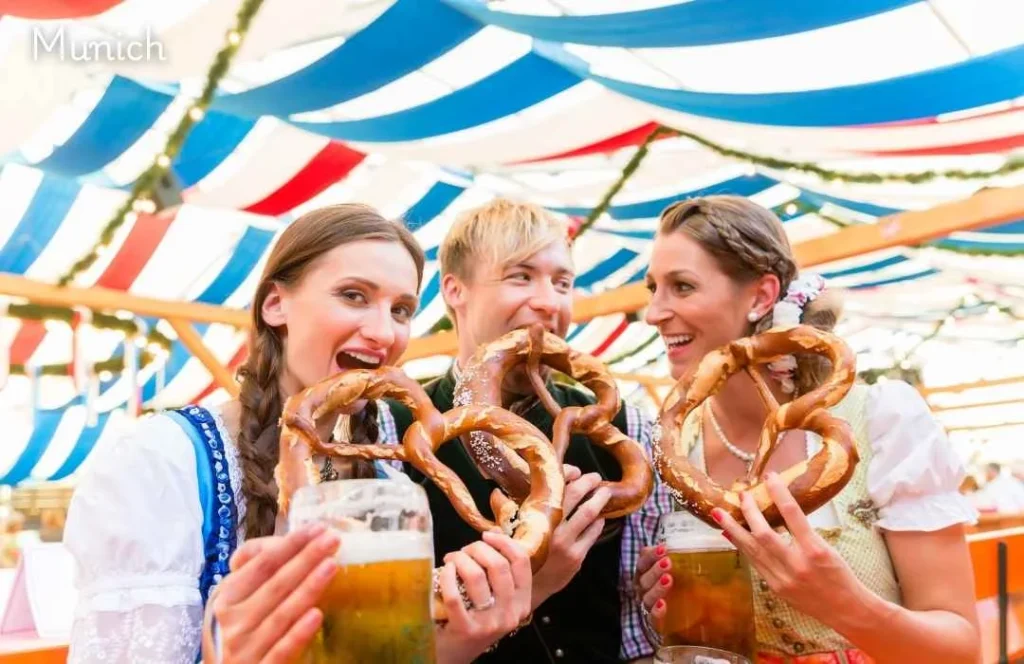
Munich’s beer culture is lived in two main spaces: beer halls and beer gardens.
Beer Halls:
- Large, enclosed spaces with communal tables
- Traditional music and Bavarian cuisine
- Examples: Hofbräuhaus, Augustiner-Keller
Beer Gardens:
- Outdoor communal tables under chestnut trees
- Families, friends, and travelers share space
- Examples: Chinesischer Turm in the English Garden
Visiting these spaces is more than drinking — it’s engaging in centuries-old social rituals.
Traditional Bavarian Cuisine
Bavarian dishes are hearty, seasonal, and locally sourced. Highlights include:
- Weißwurst: Mild veal sausage traditionally eaten before noon with sweet mustard
- Schweinshaxe: Crispy pork knuckle with potato dumplings and sauerkraut
- Obatzda: Creamy cheese spread often paired with pretzels
- Dampfnudel: Steamed sweet dumplings, a regional dessert favorite
Each dish tells a story of local agriculture, climate, and culinary evolution.
Sunday Kaffee und Kuchen
Bavarian families maintain a ritual of coffee and cake on Sundays.
- Cafés fill with locals enjoying Apfelstrudel or Bienenstich
- Social interaction is as important as the food itself
- Reflects a slower, communal pace that contrasts sharply with bustling city tourism
For UK travelers, this offers an immersive cultural experience beyond typical dining.
Munich Food Markets & Street Food (travel to munich)
- Viktualienmarkt: Fresh produce, cheeses, meats, and seasonal specialties
- Street food festivals: Seasonal events highlighting Bavarian and international cuisine
- Markets often host local bakers, butchers, and artisanal vendors, showcasing culinary craftsmanship
Unlike standard tourist meals, these experiences connect visitors directly to daily Bavarian life.
Culinary Festivals & Seasonal Highlights
- Oktoberfest: Not just beer — traditional meals, music, and costume culture
- Starkbierfest: Strong beer festival with historical roots in monastic brewing
- Christmas Markets: Mulled wine, roasted almonds, and gingerbread connect culinary history with holiday traditions
Each festival links food, drink, and social cohesion, offering cultural depth for travelers.
Insider Tips for UK Travelers
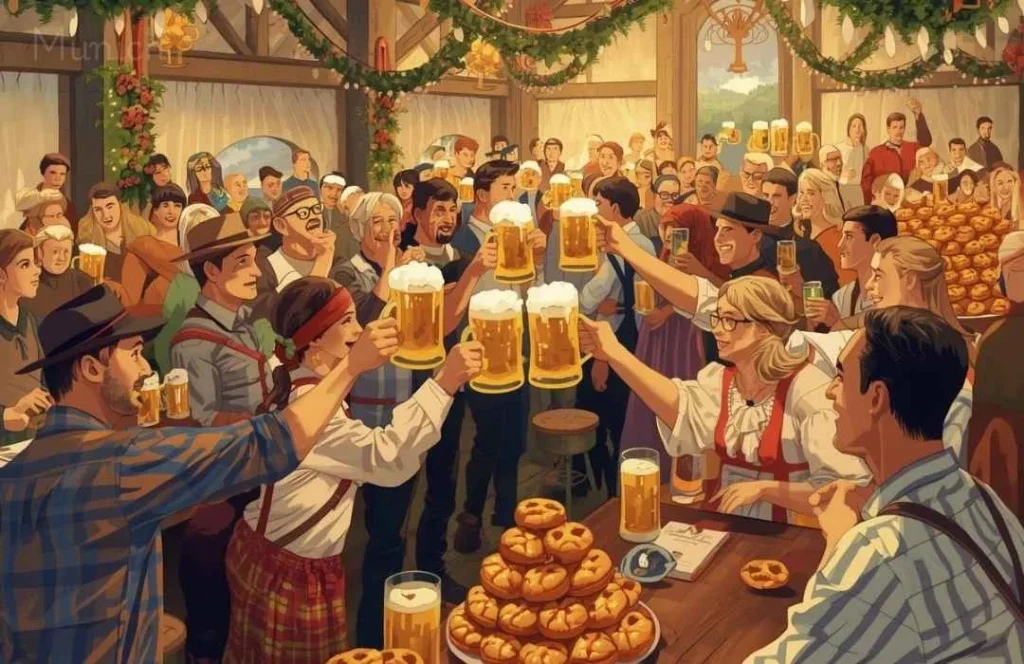
- Pair beer with food for authentic local experience — most Bavarian meals are designed for beer accompaniment
- Avoid peak tourist hours at beer halls; early evenings provide a more local atmosphere
- Sample regional specialties in hidden neighborhoods like Haidhausen or Glockenbachviertel for authentic taste
Best Time to Visit Munich Germany
Munich is a city of year-round appeal, but the experience varies greatly depending on the season. Planning your travel based on climate, festivals, and crowd levels ensures that your trip aligns with your interests and energy.
Spring (March – May)
Spring in Munich is refreshing and lively:
- Temperatures: 8–18°C (46–64°F)
- Parks and gardens bloom, including the English Garden
- Outdoor markets reopen with fresh produce and flowers
Highlights for UK travelers:
- Avoiding peak school holiday crowds
- Early spring flights from London and other UK airports are generally cheaper
- Spring festivals like Starkbierfest (strong beer festival) provide a taste of local culture
Summer (June – August)
Summer is Munich’s peak travel season, ideal for outdoor activities:
- Temperatures: 18–28°C (64–82°F)
- Long daylight hours perfect for exploring beer gardens and parks
- Outdoor concerts, markets, and festivals
UK-focused advice:
- Book flights to Munich Germany early to secure best prices
- Arrive mid-week for calmer sightseeing
- Expect higher hotel rates near city center
Autumn (September – November)
Autumn is synonymous with Oktoberfest and Bavarian traditions:
- Temperatures: 10–20°C (50–68°F)
- Crisp air, golden foliage, and harvest festivals
- Oktoberfest (late September – early October) is the main draw
Travel tips for UK visitors:
- Flights to Munich peak during Oktoberfest; early booking is essential
- Smaller hotels outside central districts can offer better value
- Enjoy local cuisine, seasonal beers, and cultural immersion
Winter (December – February)
Winter brings a magical, festive atmosphere:
- Temperatures: -1–6°C (30–43°F)
- Christmas markets, twinkling lights, and winter sports nearby
- Less crowded in January and February, except during ski holidays
Highlights for UK travelers:
- Flights to Munich Germany are generally cheaper outside the Christmas week
- Layered clothing is essential for outdoor exploration
- Seasonal specialties include mulled wine (Glühwein) and winter pastries
Strategic Tips for UK Travelers
- Align your visit with festivals – Spring and autumn offer cultural depth, summer and winter offer leisure and nature.
- Consider flight cost vs experience – Shoulder seasons (March–May, September–October) balance affordability and pleasant weather.
- Plan public transport use – Munich’s S-Bahn and trams operate year-round efficiently, but festival periods see higher traffic.
Travel to Munich from UK – Flights, Transfers & Tips
For UK travelers, Munich is one of the easiest European destinations to reach. Whether you’re planning a weekend city break or a longer Bavarian adventure, understanding flights, transfers, and logistics ensures a smooth start to your trip.
Flights to Munich Germany
Several UK airports offer direct flights to Munich:
- London Heathrow (LHR) – 1h 50m
- London Gatwick (LGW) – 1h 55m
- Manchester (MAN) – 2h 10m
- Birmingham (BHX) – 2h 5m
- Edinburgh (EDI) – 2h 30m
Major airlines like Lufthansa, British Airways, easyJet, and Ryanair operate daily flights. Peak times coincide with summer holidays, Oktoberfest, and Christmas markets.
Pro tip: Booking 2–3 months in advance usually secures the best fares. Flexible dates mid-week often reduce costs.
Airport Transfers
Munich Airport (Flughafen München) is located 28 km (17 miles) northeast of the city center. Options for getting into central Munich include:
- S-Bahn (Train): Lines S1 and S8, ~40 minutes to Marienplatz
- Airport Bus: 45-minute ride, moderate cost
- Taxi: 35–45 minutes, around €50–€60
- Private Transfer Services: Ideal for seniors or travelers with extra luggage
For UK travelers, the S-Bahn is efficient, punctual, and easy to navigate, making it a cost-effective choice.
Public Transport in Munich
Munich’s public transport system (MVV) is extensive and user-friendly:
- U-Bahn (subway): Fast for city center travel
- S-Bahn (commuter trains): Connects suburbs and airport
- Trams and buses: Cover areas not reached by trains
Tickets can be purchased at machines, online, or via the MVV mobile app. For visitors staying multiple days, consider a CityTourCard or MVV day pass for unlimited travel.
Entry Requirements for UK Travelers
- Post-Brexit, UK citizens require a valid passport to enter Germany.
- Short stays under 90 days do not require a visa for tourism.
- Health insurance is strongly recommended; travel insurance is mandatory for visitors using public transport and participating in activities.
Pro tip: Keep your passport and insurance documents easily accessible, especially when taking day trips to nearby Bavaria or Austria.
Travel Tips for British Visitors
- Currency: Euro (€), credit/debit cards widely accepted, small cash needed for markets and beer gardens
- Language: English is commonly spoken in tourist areas; German phrases are appreciated
- Connectivity: SIM cards or portable Wi-Fi make navigation and transport apps seamless
- Cultural etiquette: Polite greetings, respecting communal spaces, and orderly queuing reflect local norms
Flight Cost Analysis (UK Traveler Budget Model)
| From (UK) | Airline Options | Avg. Return Fare (£) | Flight Duration |
|---|---|---|---|
| London Heathrow | Lufthansa, British Airways | £120–£220 | 1h 50m |
| London Gatwick | easyJet, British Airways | £90–£180 | 1h 55m |
| Manchester | Lufthansa, Ryanair | £100–£200 | 2h 10m |
| Birmingham | Ryanair, Lufthansa | £95–£190 | 2h 5m |
| Edinburgh | easyJet, Lufthansa | £130–£240 | 2h 30m |
Budget travelers can save by flying mid-week or using budget airlines, while premium travelers benefit from short direct flights and business-class options.
Final Note
Travel to Munich from UK is simple, fast, and convenient, making it perfect for:
- Weekend breaks
- Multi-day cultural immersions
- Family or senior-friendly trips
Understanding flights, transfers, and public transport ensures you spend more time exploring and less time navigating logistics.
Detailed 7-Day & 10-Day travel to munich Itineraries for UK Travelers
Planning your stay in Munich can feel overwhelming due to the city’s variety of attractions. To simplify travel, these structured itineraries combine iconic sights, hidden gems, food experiences, and day trips, perfectly paced for UK visitors.
7-Day Munich Itinerary
Day 1 – Arrival & Marienplatz Exploration
- Morning: Arrive at Munich Airport; transfer via S-Bahn to city center
- Afternoon: Explore Marienplatz, Neues Rathaus, and Viktualienmarkt
- Evening: Dinner at a traditional Bavarian restaurant; enjoy communal beer hall atmosphere
Day 2 – Royal Munich
- Morning: Nymphenburg Palace & gardens
- Afternoon: Explore the Marstallmuseum and Schlosspark
- Evening: Relax at the English Garden beer garden
Day 3 – Museums & Culture
- Morning: Deutsches Museum (science & tech)
- Afternoon: Pinakothek art galleries
- Evening: Schwabing neighborhood cafés and literary walks
Day 4 – Day Trip to Neuschwanstein Castle
- Full day: Train or guided tour to Neuschwanstein Castle
- Evening: Return to Munich, light dinner in Haidhausen
Day 5 – Bavarian Culinary Exploration
- Morning: Viktualienmarkt for fresh breakfast and local shopping
- Afternoon: Food tour in Glockenbachviertel
- Evening: Beer garden dinner at Chinesischer Turm
Day 6 – Local Districts & Hidden Gems
- Morning: Explore Westend and Haidhausen markets
- Afternoon: Alter Südfriedhof and quiet parks
- Evening: Evening stroll along Isar River
Day 7 – Departure or Optional Short Excursion
- Morning: Optional visit to BMW Museum or Olympiapark
- Afternoon: Transfer to Munich Airport
10-Day Munich Itinerary
Days 1–7: Follow the 7-day itinerary.
Day 8 – Dachau & Historical Reflection
- Morning: Dachau Concentration Camp Memorial
- Afternoon: Return to city, visit Lenbachhaus or Lenbachplatz
- Evening: Dinner in Glockenbachviertel
Day 9 – Bavarian Lakes & Alpine Views
- Full day: Excursion to Lake Starnberg or Ammersee
- Optional hike or boat tour
- Evening: Casual riverside dinner
Day 10 – Modern Munich & Departure
- Morning: BMW Welt, Olympiapark, or Allianz Arena
- Afternoon: Last-minute shopping at Neuhauser Straße or Fünf Höfe
- Evening: Departure
UK Traveler Tips for Itineraries
- Travel light: Short flights make weekend or 7-day trips ideal
- Public transport integration: Day passes reduce costs and simplify multi-site visits
- Meal planning: Combine markets, beer gardens, and cafés for authentic local cuisine without expensive sit-down meals every night
- Weather prep: Shoulder seasons require layered clothing for variable spring and autumn temperatures
Cost Analysis Table – 7-Day Trip for a UK Traveler
| Expense | Budget (£) | Mid-Range (£) | Luxury (£) |
|---|---|---|---|
| Flights | 120–200 | 150–250 | 250–400 |
| Accommodation | 350 | 700 | 1,500 |
| Food & Drinks | 150 | 300 | 600 |
| Transport (MVV Pass) | 50 | 70 | 100 |
| Attractions & Tours | 80 | 150 | 300 |
| Total | 750 | 1,470 | 2,900 |
Cost Analysis Table – 10-Day Trip for a UK Traveler
| Expense | Budget (£) | Mid-Range (£) | Luxury (£) |
|---|---|---|---|
| Flights | 120–200 | 150–250 | 250–400 |
| Accommodation | 500 | 1,000 | 2,000 |
| Food & Drinks | 200 | 400 | 800 |
| Transport (MVV Pass) | 70 | 100 | 150 |
| Attractions & Tours | 120 | 200 | 400 |
| Total | 1,010 | 1,950 | 3,750 |
These tables give UK travelers clear budget expectations and allow for flexible planning depending on comfort and spending preferences.
Hidden Gems of Food, Beer & Seasonal Experiences in Munich
While Munich’s iconic beer halls and tourist restaurants are famous worldwide, the true culinary heart of the city lies in its hidden gems and seasonal delights. This section explores where locals eat, drink, and celebrate, offering UK travelers authentic experiences beyond the usual guidebook spots.
Off-the-Beaten-Path Beer Gardens
Munich has hundreds of beer gardens, but some are less crowded and deeply loved by locals:
- Menterschwaige: Riverside garden with relaxed vibes, perfect for summer afternoons
- Waldwirtschaft (near Grünwald): Traditional Bavarian music performances in a forested setting
- Gärtnerplatzgarten: Small, family-friendly spot with local charm
Tip: Visiting these lesser-known gardens allows you to avoid tourist lines while still enjoying authentic Bavarian beer culture.
Specialty Local Eateries
Munich neighborhoods hide small eateries cherished by residents:
- Glockenbachviertel: Contemporary Bavarian fusion dishes and craft beer pubs
- Haidhausen: Traditional bakeries, cafés, and small restaurants specializing in regional dishes
- Westend: Ethnic cuisines mixed with Bavarian favorites, offering a multicultural food experience
Pro tip: Ask locals for daily specials — this is where seasonal and home-style Bavarian cooking shines.
Seasonal Food & Festivals
Munich’s culinary calendar changes with the seasons, giving UK travelers dynamic and immersive experiences:
- Spring: Fresh asparagus (Spargelzeit) served in local taverns
- Autumn: Oktoberfest beers and dishes, including roast meats, sausages, and pretzels
- Winter: Mulled wine, roasted almonds, and gingerbread at Christmas markets
- Year-Round: Weekly farmers’ markets featuring organic produce and artisanal cheeses
Engaging with seasonal foods offers insight into local agriculture, tradition, and community life.
Hidden Culinary Experiences by District
| District | Hidden Food & Drink Gems | Special Tips |
|---|---|---|
| Glockenbachviertel | Craft breweries, fusion Bavarian cuisine | Evening walks; combine with street art exploration |
| Haidhausen | Small cafés, traditional pastries | Try Sunday Kaffee und Kuchen for local rhythm |
| Westend | Ethnic eateries, historic taverns | Look for family-run spots; reservations recommended |
| Schwabing | Bohemian cafés, wine bars | Perfect for late-night desserts and artistic vibes |
This table guides UK travelers to authentic dining locations while connecting neighborhoods to culinary experiences.
Festivals Beyond Oktoberfest
- Starkbierfest: Strong beer festival with historical roots in monastery brewing, less crowded than Oktoberfest
- Viktualienmarkt Seasonal Events: Wine tasting, food sampling, and local craft showcases
- Munich Film & Street Festivals: Street food stalls and culinary pop-ups complement cultural activities
These smaller festivals allow intimate and local-focused experiences, ideal for travelers seeking authentic Bavarian culture.
Insider Tips for UK Travelers
- Timing: Visit beer gardens and markets mid-week to avoid peak crowds
- Pairing: Local meals are designed to accompany beers; try traditional combinations for a full experience
- Local Interaction: Engaging with staff or locals often leads to discovering hidden menu items or private events
- Cash & Cards: Smaller local establishments often prefer cash; carry euros for authenticity
Why These Hidden Experiences Matter (travel to munich)
Exploring Munich’s hidden culinary and seasonal gems allows travelers to:
- Experience authentic Bavarian daily life
- Connect neighborhoods with food and drink culture
- Participate in traditions not visible on typical tourist maps
For UK travelers, these experiences transform a standard trip into a memorable cultural immersion, blending taste, social interaction, and seasonal celebration.
10-Day Extended Bavaria & Beyond Itinerary
For travelers who want to explore beyond Munich and immerse themselves in the broader Bavarian region, this 10-day itinerary combines city exploration, cultural depth, alpine adventures, and historic towns. It’s tailored for UK visitors seeking a rich, well-paced experience.
Day 1 – Arrival & Central Munich Orientation
- Morning: Arrive at Munich Airport; S-Bahn transfer to city center
- Afternoon: Settle into accommodation, walk Marienplatz and Viktualienmarkt
- Evening: Dinner at a traditional Bavarian restaurant; early night to recover from travel
Day 2 – Royal Munich & Gardens
- Morning: Nymphenburg Palace and Marstallmuseum
- Afternoon: Stroll through palace gardens and visit Botanical Garden Munich-Nymphenburg
- Evening: Beer garden dinner at Chinesischer Turm, English Garden
Day 3 – Munich’s Art & Culture
- Morning: Deutsches Museum or Pinakothek galleries
- Afternoon: Schwabing district cafés and boutique shopping
- Evening: Evening stroll through Haidhausen and dinner at a local tavern
Day 4 – Day Trip: Neuschwanstein & Hohenschwangau Castles
- Full day: Train or guided tour to Neuschwanstein Castle and Hohenschwangau
- Evening: Return to Munich, light dinner in Westend or Glockenbachviertel
Day 5 – Day Trip: Salzburg, Austria
- Morning: Train to Salzburg (~1.5–2 hours)
- Explore Mozart’s birthplace, Mirabell Gardens, and Old Town
- Evening: Return to Munich for dinner
Day 6 – Bavarian Lakes & Nature
- Full day: Excursion to Lake Starnberg or Ammersee
- Optional activities: Paddleboarding, hiking trails, or lakeside picnics
- Evening: Relax in a riverside tavern or Munich backstreets
Day 7 – Dachau & Historical Reflection
- Morning: Dachau Concentration Camp Memorial visit
- Afternoon: Return to Munich; Lenbachhaus or Lenbachplatz exploration
- Evening: Dinner at local beer hall with traditional music
Day 8 – Alpine Adventure: Garmisch-Partenkirchen & Zugspitze
- Morning: Train or guided tour to Garmisch-Partenkirchen (~1.5 hrs)
- Explore alpine town, historic streets, and local shops
- Afternoon: Take Zugspitze cable car for panoramic Alps views
- Evening: Return to Munich; casual dinner
Day 9 – Romantic Road & Medieval Towns
- Full day: Rent a car or join a guided tour along the Romantic Road
- Visit towns like Rothenburg ob der Tauber or Dinkelsbühl
- Experience medieval streets, local markets, and historic architecture
- Evening: Overnight return to Munich
Day 10 – Modern Munich & Departure
- Morning: BMW Welt, Olympiapark, or Allianz Arena tour
- Afternoon: Last-minute shopping at Neuhauser Straße or Fünf Höfe
- Evening: Transfer to Munich Airport for return flight to the UK
Budget Modeling Table – Extended 10-Day Bavaria Trip (UK Traveler)
| Expense | Budget (£) | Mid-Range (£) | Luxury (£) |
|---|---|---|---|
| Flights | 120–200 | 150–250 | 250–400 |
| Accommodation | 600 | 1,200 | 2,500 |
| Food & Drinks | 250 | 500 | 1,000 |
| Transport (Train, MVV, day trips) | 120 | 200 | 350 |
| Attractions & Tours | 150 | 300 | 600 |
| Total | 1,240 | 2,450 | 4,900 |
Tips for UK Travelers on Extended Trips
- Rail passes: Consider regional Bavaria rail passes for multiple day trips
- Packing: Layers are essential for alpine excursions and changing weather
- Advance bookings: Popular day trips like Neuschwanstein or Salzburg should be reserved early
- Local guides: Using English-speaking guides enhances historical and cultural understanding
Cost Breakdown, Travel Tips, and Final Insights for UK Travelers
Planning a Munich trip from the UK involves more than booking flights and hotels. Understanding costs, local logistics, and insider tips ensures your visit is seamless, enjoyable, and culturally immersive. This section consolidates budgeting, travel strategies, and key advice for a full Munich experience.
Comprehensive Cost Breakdown
Travel costs can vary based on comfort level, duration, and activities. Here’s a UK-traveler-focused summary for a 7–10 day trip including city and Bavaria excursions:
| Expense Category | Budget (£) | Mid-Range (£) | Luxury (£) |
|---|---|---|---|
| Flights (UK ↔ Munich) | 120–200 | 150–250 | 250–400 |
| Accommodation | 350–600 | 700–1,200 | 1,500–2,500 |
| Food & Drinks | 150–250 | 300–500 | 600–1,000 |
| Transport (MVV, trains, day trips) | 50–120 | 70–200 | 100–350 |
| Attractions & Tours | 80–150 | 150–300 | 300–600 |
| Souvenirs & Extras | 50–100 | 100–200 | 200–400 |
| Total 7–10 Days | 800–1,420 | 1,470–2,450 | 2,900–4,900 |
Tip: Booking flights and accommodations together often reduces cost. Off-peak seasons (spring and late autumn) provide better rates and fewer crowds.
Practical Travel Tips for UK Visitors (travel to munich)
- Transport Optimization
- Purchase MVV day passes for unlimited city travel.
- Regional rail passes help with day trips to castles, lakes, and alpine towns.
- Currency & Payments
- Euro (€) is standard; cash is needed for markets and smaller eateries.
- Credit/debit cards accepted in most restaurants, hotels, and shops.
- Weather Preparedness
- Layered clothing suits spring and autumn travel.
- Winter visits require coats, scarves, gloves, and waterproof shoes.
- Cultural Etiquette
- Politeness, queuing, and tipping 5–10% in restaurants is customary.
- Learning basic German phrases (“Danke,” “Bitte,” “Guten Tag”) is appreciated.
- Maximizing Experiences
- Combine landmarks with local neighborhoods to balance tourism with authentic living.
- Attend seasonal festivals for immersive cultural experiences.
Insider Advice for Food & Beer Experiences
- Visit local beer gardens outside central tourist areas for authentic interaction.
- Sample seasonal Bavarian cuisine aligned with festivals (Oktoberfest, Starkbierfest, Christmas markets).
- Use food markets and street stalls for affordable, fresh, and traditional meals.
Safety & Health (travel to munich)
- Munich is generally safe for solo travelers, families, and seniors.
- Carry a copy of your passport and travel insurance.
- Emergency number: 112 (ambulance, police, fire).
If you’re planning a solo journey, don’t miss our guide to the Best Places to Travel Solo, filled with inspiring and traveler-friendly destinations.
Final Insights for UK Travelers
Munich combines history, modern life, and Bavarian traditions with easy accessibility from the UK. Key takeaways:
- Flight convenience: Direct routes from major UK airports make Munich ideal for short breaks.
- Cultural depth: Museums, palaces, and local neighborhoods provide immersive experiences.
- Outdoor life: Parks, lakes, and alpine excursions balance city exploration.
- Food & drink culture: Beer gardens, traditional cuisine, and seasonal festivals offer authentic interaction.
- Cost planning: Budget-friendly options exist alongside luxury experiences for flexible itineraries.
By integrating this guidance, UK travelers can enjoy a well-rounded Munich adventure, combining cultural exploration, culinary delights, historical insights, and outdoor activities — all while optimizing time, cost, and experience.
Travel to Munich – FAQ
What is the best time to travel to Munich?
The best time to travel to Munich is April to June and September to October. These months offer mild weather, fewer crowds, and better hotel prices. Autumn also includes Oktoberfest, while spring provides outdoor café culture without peak summer tourism pressure.
How expensive is travel to Munich from the UK?
Travel to Munich from the UK typically costs £800–£2,500 for 7–10 days, depending on travel style. Budget travelers save on hostels and transport passes, while mid-range visitors spend more on hotels and guided tours. Flights are usually affordable outside festival season.
How many days are enough to travel to Munich?
Seven days is ideal for travel to Munich. This allows time to explore major attractions, experience Bavarian food and beer culture, and take day trips to Neuschwanstein Castle, Salzburg, or the Bavarian Alps. Shorter 3–4 day visits cover only main highlights.
Is Munich safe for tourists?
Yes, Munich is one of Germany’s safest major cities. Travel to Munich is generally safe for solo travelers, families, and couples. Public transport is secure and efficient. Standard precautions, such as watching belongings in crowded areas, are recommended.
Do I need to speak German to travel to Munich?
No, English is widely spoken in Munich, especially in hotels, restaurants, and tourist areas. Travel to Munich does not require German language skills, though learning basic phrases like “Danke” improves cultural interaction and local goodwill.
What are the top attractions when you travel to Munich?
Top attractions include Marienplatz, Nymphenburg Palace, the English Garden, Viktualienmarkt, and Neuschwanstein Castle (day trip). Travel to Munich combines royal history, green spaces, traditional beer halls, and easy access to Alpine landscapes.
Is Munich better than Berlin for travelers?
Travel to Munich is best for visitors seeking traditional Bavarian culture, alpine scenery, and beer heritage. Berlin is better for modern history, nightlife, and contemporary art. The choice depends on whether you prefer classic Southern German charm or urban diversity.
Can I combine travel to Munich with other countries?
Yes. Travel to Munich can easily include Austria, Switzerland, or Northern Italy. Salzburg is only about two hours by train. Munich’s central European location makes it ideal for multi-country itineraries using fast regional rail connections.
Want to Share Your Experience?
Have you traveled using one of our guides or found inspiration here?
👉 Share your experience in the comments or send us your story
Your insights help other travelers plan more thoughtful, rewarding journeys.
Latest Reviews
There are no reviews yet. Be the first one to write one.