Adventure to machu picchu is one of the most iconic and meaningful travel experiences in the world. Hidden high in the Peruvian Andes, Machu Picchu is not only a masterpiece of ancient engineering but also the culmination of a journey that weaves together rugged landscapes, sacred paths, and centuries of Inca history.
This comprehensive guide explains what makes the adventure unique, what travelers can expect along the route, and how the Inca Trail preserves the legacy of one of the world’s most fascinating civilizations.
Table of Contents
A Complete Journey Through History, Nature, and the Inca Trail
What Makes an Machu Picchu adventure Unique
Unlike standard sightseeing visits, an Machu Picchu adventure often involves a multi-day Inca Trail trek that follows original stone paths built more than 500 years ago. These routes were once used by the Inca elite and pilgrims traveling to sacred sites.
This journey stands out because it combines:
- Physical challenge and endurance
- Direct immersion in Inca civilization history
- Dramatic Andean landscapes
- A gradual, meaningful approach to Machu Picchu
Rather than simply arriving, travelers earn their entrance through effort, learning, and connection to the land.
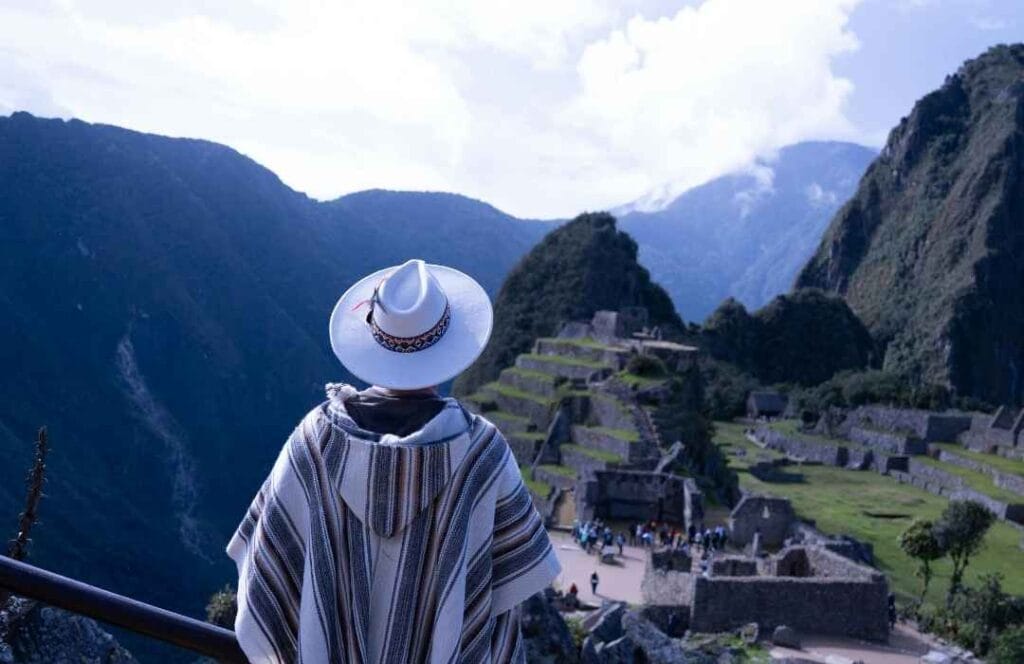
The Inca Trail Trek: Walking Through Living History
The Inca Trail trek is one of the most famous hiking routes in the world. Stretching approximately 26 miles, it was carefully engineered to navigate steep terrain while aligning with religious and astronomical significance.
What You’ll Experience on the Inca Trail
- Stone staircases carved into mountains
- Ancient tunnels and ceremonial ruins
- Agricultural terraces built into hillsides
| Inca Trail Overview | Details |
|---|---|
| Duration | 4 days (classic route) |
| Highest Point | Dead Woman’s Pass |
| Difficulty | Moderate to challenging |
Every section of the trail reflects the Incas’ deep understanding of geography, spirituality, and sustainable construction.
Andes Mountain Trek: Landscapes of the Sacred Valley
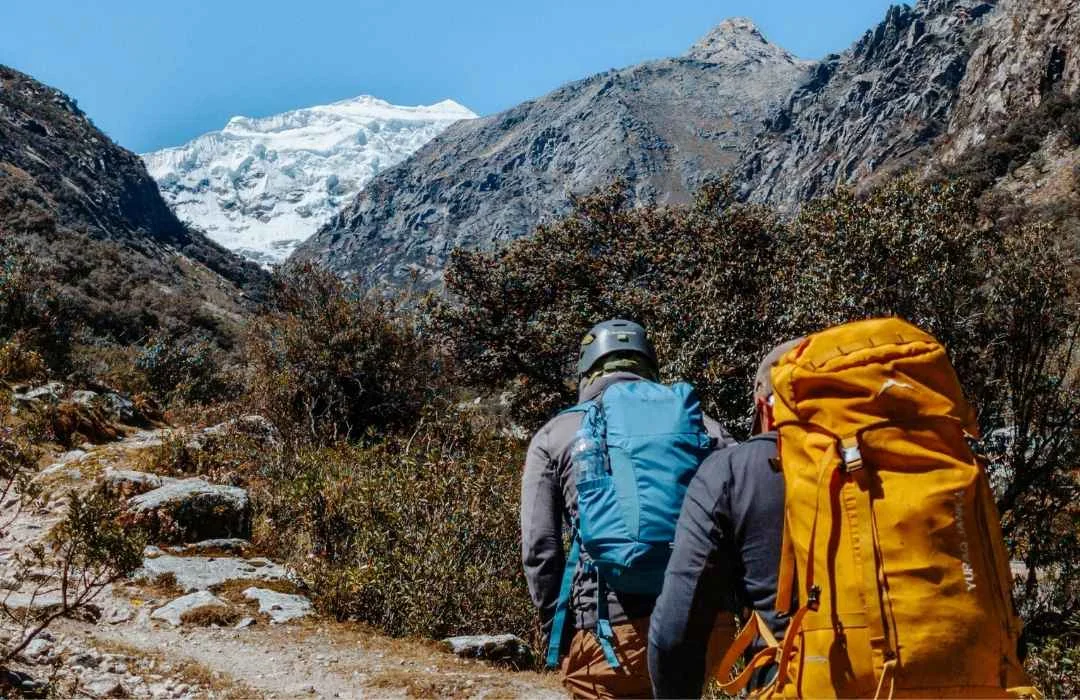
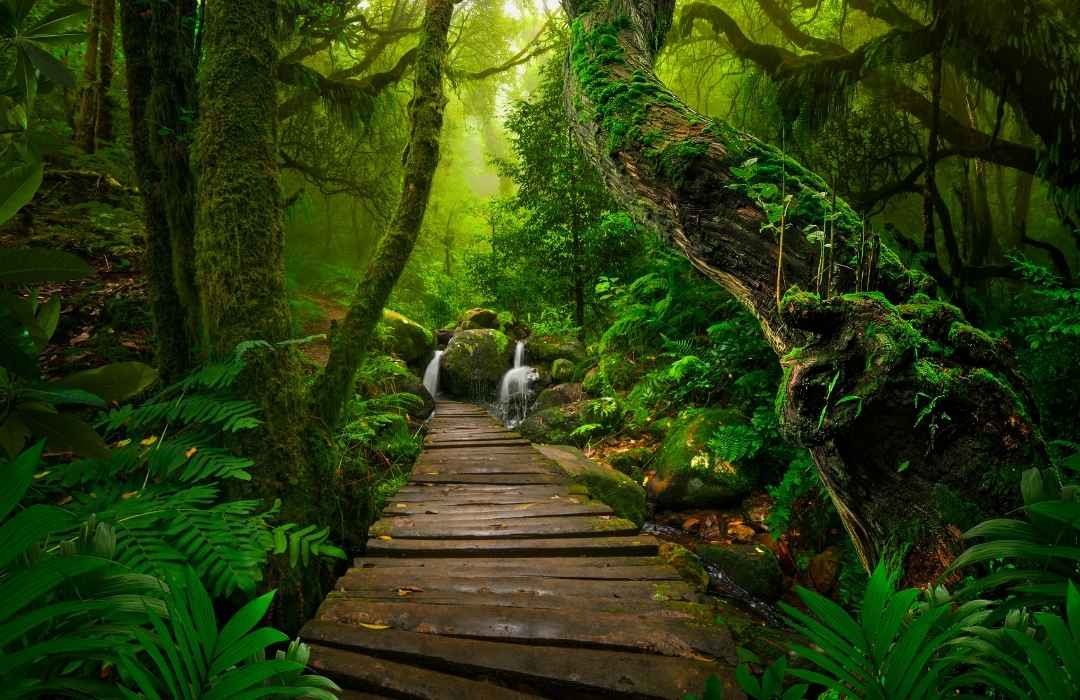
An Andes mountain trek exposes travelers to constantly changing environments. The trail moves through lush valleys, cloud forests, and high-altitude passes, offering some of the most dramatic scenery in South America.
Natural Highlights
- Snow-capped peaks and deep river valleys
- Native flora and wildlife
- Expansive views over the Sacred Valley
The terrain itself tells a story of how the Incas adapted their empire to extreme natural conditions.
Physical and Mental Preparation for an Machu Picchu adventure
An Machu Picchu adventure challenges both body and mind. While achievable for most travelers with reasonable fitness, preparation greatly enhances the experience.
Training for the Inca Trail Trek
Regular hiking, stair climbing, and strength training improve endurance and balance. Training with a backpack helps simulate trail conditions.
Mental readiness is equally important. Long trekking days, altitude changes, and unpredictable weather require patience and flexibility. Moving at a steady pace allows travelers to enjoy the journey rather than rush through it.
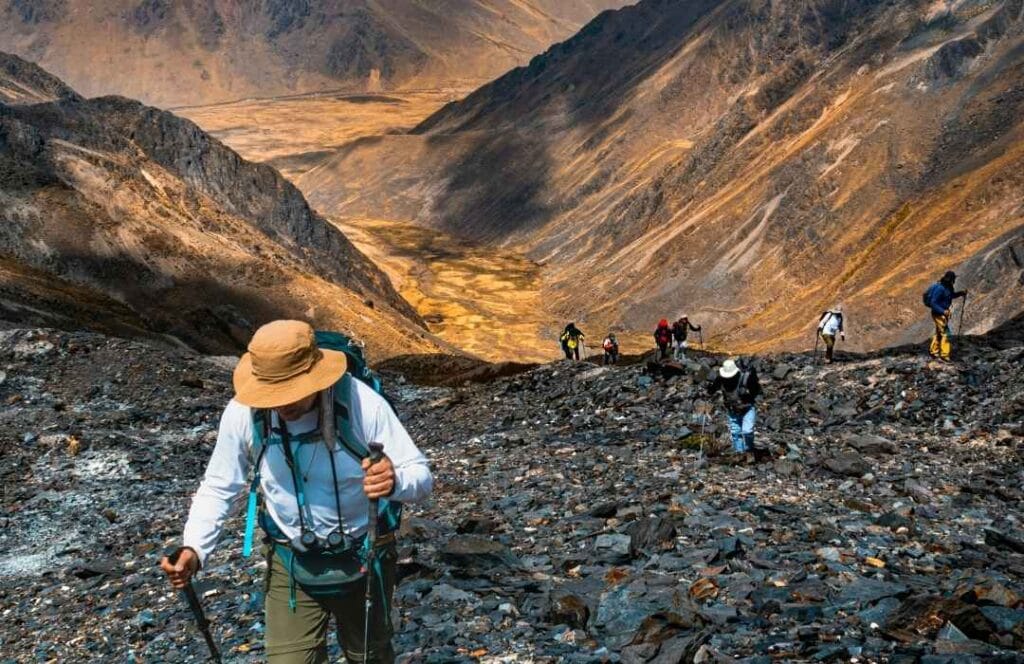
Altitude Awareness During an Andes Mountain Trek
Altitude is one of the most important factors during an Andes mountain trek, with elevations exceeding 13,800 feet.
To manage altitude safely:
- Acclimatize in Cusco or the Sacred Valley for at least two days
- Walk slowly and rest frequently
- Stay well hydrated
- Avoid alcohol before and during the trek
Understanding altitude effects helps travelers listen to their bodies and avoid unnecessary discomfort.
Exploring the Machu Picchu Ruins
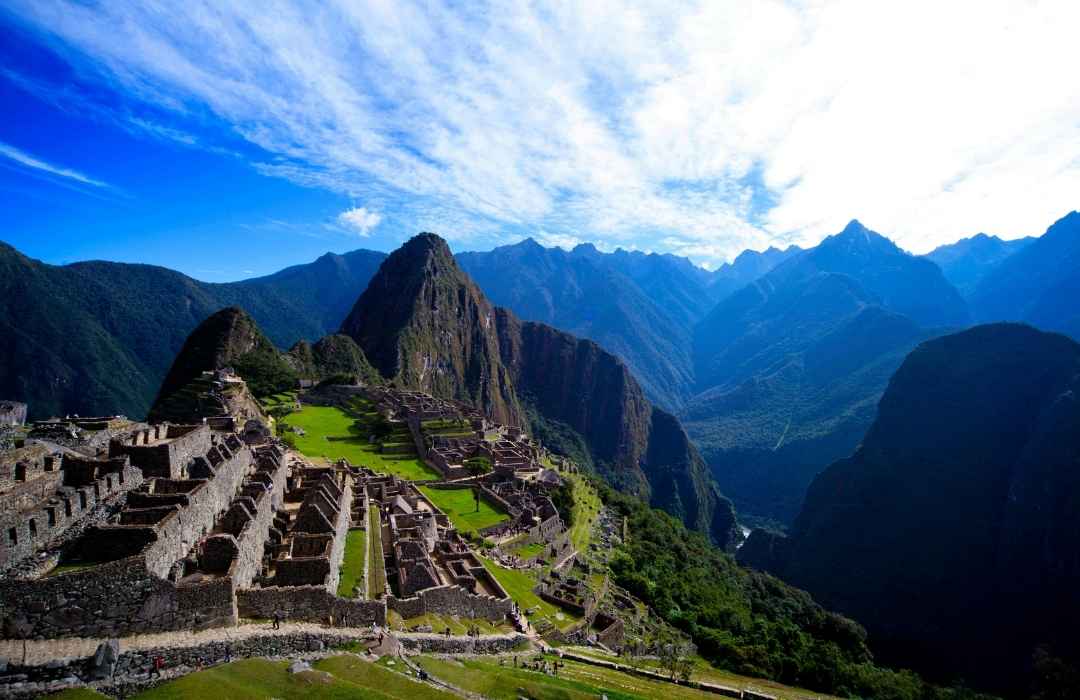
Reaching the Machu Picchu ruins is the defining moment of the journey. Perched dramatically on a mountain ridge, the site showcases extraordinary stonework, agricultural design, and spiritual symbolism.
Key Areas Within Machu Picchu
- Agricultural terraces used for food production
- Temples aligned with astronomical events
- Residential and ceremonial zones
| Machu Picchu Highlights | Purpose |
|---|---|
| Sun Gate | Traditional Inca entrance |
| Intihuatana Stone | Astronomical and ritual use |
| Terraces | Sustainable farming |
Guided interpretation reveals how the site functioned as both a spiritual sanctuary and administrative center.
Inca Civilization History Along the Trail
The journey offers a rare opportunity to experience Inca civilization history within its original setting. The Incas were masters of stone construction, agriculture, and environmental adaptation.
Along the trail, travelers encounter:
- Experimental farming terraces
- Ceremonial centers
- Strategic lookout points
These sites provide insight into how the Inca Empire governed vast territories without written language or wheeled transport.
Choosing the Right Machu Picchu Hiking Guide
A professional Machu Picchu hiking guide transforms the trek into a deeply educational experience. Guides manage safety, pacing, and altitude challenges while providing historical and cultural context.
When choosing a guide, look for:
- Licensed operators
- Strong knowledge of Inca history
- Ethical porter treatment
- Clear safety procedures
A skilled guide connects the landscape to its stories, making each step more meaningful.
Responsible Tourism at the Machu Picchu Ruins
Machu Picchu is a UNESCO World Heritage Site, and preservation is essential.
Travelers are encouraged to:
- Stay on marked paths
- Avoid touching or climbing structures
- Follow guide instructions
- Carry reusable items to reduce waste
Responsible travel ensures the site remains protected for future generations.
Frequently Asked Questions (FAQ)
Is an Machu Picchu adventure suitable for beginners?
Yes. With moderate fitness, proper acclimatization, and a guided trek, beginners can complete the journey safely.
How long does the Inca Trail trek take?
The classic Inca Trail trek takes four days.
What is the best time for an Machu Picchu adventure ?
The dry season from May to September offers the most stable weather conditions.
Do I need a guide for the Inca Trail?
Yes. All hikers must book through licensed tour operators.
Final Thoughts
An Adventure to Machu Picchu is not simply about reaching a world-famous destination—it is about earning the experience through effort, learning, and respect for history. The physical demands of the Inca Trail trek, the beauty of the Andes mountain trek, and the awe of the Machu Picchu ruins combine into a journey that stays with travelers long after it ends.
By walking these ancient paths and understanding Inca civilization history, visitors gain a deeper appreciation for one of humanity’s greatest achievements. For those seeking a meaningful blend of nature, culture, and personal challenge, this adventure remains truly unforgettable.