Solo Travel in Jamaica: The Honest, Complete Solo Elite Guide + Free Solo Travel Safety Checklist
Published by elitetrip.de · Solo Elite Trip
TL;DR: Jamaica is one of the Caribbean’s most rewarding solo destinations — English-speaking, culturally alive, and full of regions built for independent travelers. Negril suits slow solo souls, Montego Bay works for first-timers needing structure, Ocho Rios delivers adventure with built-in social opportunities, and Kingston rewards the culturally curious. Budget travelers can do it well from US$60/day. Safety is about neighbourhood-level awareness, not island-wide fear. Seven to ten days is the sweet spot. Go alone. You won’t feel lonely for long.
Table of Contents
Why Solo Travel in Jamaica Hits Different – Solo Elite Trip
Most Caribbean islands are designed around couples and families. Jamaica is the exception. Its social DNA — the music spilling from every open door, the conversations that start themselves at bus stops and beachside stalls, the culture that treats strangers as potential friends rather than interruptions — makes solo travel not just possible but actively pleasurable.
This is an island where your table for one rarely stays quiet. A Jamaican will ask where you are from before you finish sitting down, and the conversation that follows is rarely small talk. Solo travel in Jamaica has a particular rhythm: mornings that belong entirely to you, afternoons that take unexpected turns, and evenings that often end somewhere you did not plan to be, with people you did not expect to meet.
That is not an accident. It is what happens when you travel alone on an island that genuinely likes people.
What makes Jamaica mechanically suited to solo travel is equally important. English is the official language, removing the communication barrier that slows solo travelers in much of the world. Jamaican Patois — the everyday tongue you will hear everywhere outside tourist zones — is not a wall, it is an invitation. Learning a few words (“Wagwan?” for “what’s going on?”, “Irie” for feeling good, “Nuh worry” for relax) earns you immediate warmth that no tour package can manufacture.
Tourism infrastructure has been built over decades for independent visitors. Transportation networks, licensed taxi systems, a wide spectrum of accommodation types from hostels to boutique guesthouses to all-inclusive resorts, and an excursion industry that caters to solo bookings — all of this exists and functions. You do not need a group to access Jamaica. You just need a plan.
Best Areas for Solo Travel in Jamaica: A Real Breakdown
Negril — For Negril Solo Travel and Deep Decompression
Negril is the quietest argument for solo travel in Jamaica. Stretched along a seven-mile arc of shallow, calm water in the island’s west, it has a village-scale social life that larger resort towns cannot replicate. You will eat at the same jerk spot twice and the cook will remember your order. You will watch the same sunset from Rick’s Café cliff and recognise faces from the beach that afternoon.
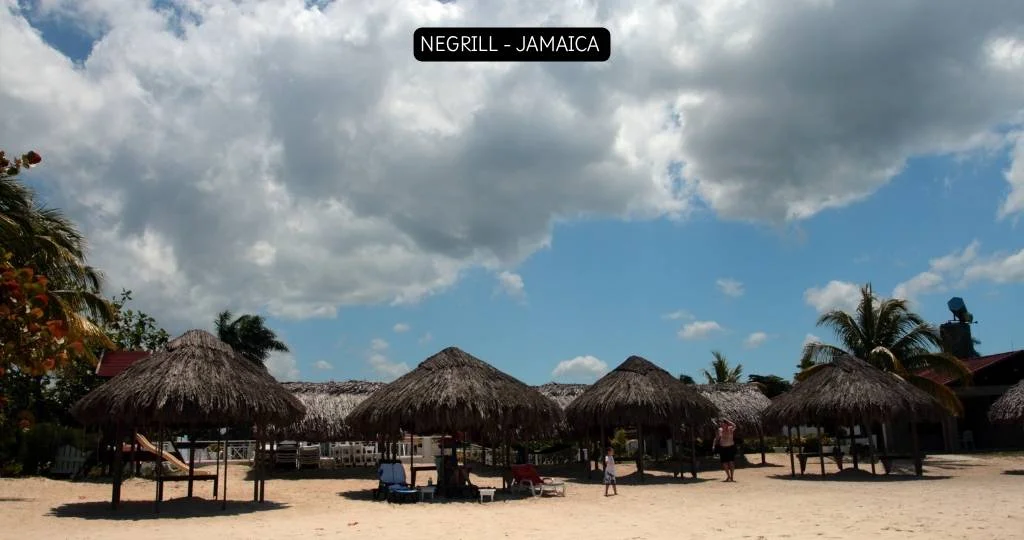
For solo travelers, this repetition is not monotony — it is the geography of belonging. Negril creates a temporary community around you. By day three you will have a favourite table, a preferred route down the beach, and at least one conversation you keep returning to.
Negril’s physical layout rewards the solo traveler specifically. The beach road is walkable. Everything from accommodation to restaurants to water sports rental is within a two-kilometre strip. You do not need transport to explore. You do not need a companion to feel safe walking it at reasonable hours. The compact geography means you are never isolated.
The sunset culture in Negril also deserves specific mention. Every evening, travellers gather at the cliffs on the western tip of the island to watch the sun drop into the Caribbean Sea. It is the island’s most reliable social ritual. Go alone once and you will understand immediately why solo travelers return to Negril specifically.
Best for: First-time solo travelers who want to decompress. Creative types. Anyone who needs slow time and genuine conversation. Budget-conscious travelers who want quality without resort prices.
Montego Bay — Structure and Confidence for First-Timers
Montego Bay will not seduce you the way Negril does. It is bigger, noisier, more commercial, and more visibly geared toward package tourism. For first-time solo visitors to Jamaica, all of that is actually useful.
The proximity to Sangster International Airport (you can be in your accommodation twenty minutes after landing) means your arrival is low-stress. The Hip Strip — the tourist-facing stretch of Gloucester Avenue — concentrates restaurants, bars, tour operators, money exchange, pharmacies, and beach access in a walkable zone. If you arrive alone and disoriented, Montego Bay gives you guardrails.
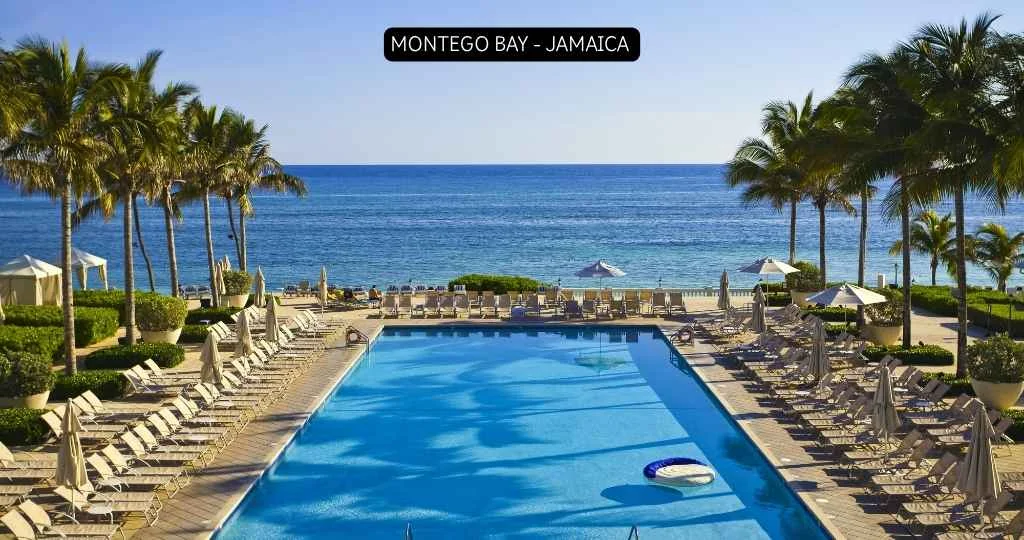
It is also the best base for excursions. Tour operators depart from Montego Bay to Dunn’s River Falls, Green Grotto Caves, the Great River, the Cockpit Country, and multiple beach clubs. Group excursions from here are easy to join, reasonably priced, and provide built-in company for the day — ideal when you want social contact without the commitment of shared accommodation.
Doctor’s Cave Beach, in the heart of Montego Bay, is one of Jamaica’s most famous public beaches. It has lifeguards, facilities, and a consistent crowd of both locals and tourists. For solo swimmers who prefer company in the water, it is a reassuring choice.
Best for: First-time solo visitors to Jamaica. Travelers arriving with less preparation time. Anyone who values excursion access and wants to use their base for day trips across the island.
Ocho Rios — Social Adventure Built for Solo Booking
Ocho Rios solves one of solo travel’s oldest problems: you want adventure activities, but most adventure activities are more fun with other people. In Ocho Rios, the excursion industry has effectively built the group for you.
Dunn’s River Falls — the most photographed attraction in Jamaica — is almost always climbed in a human chain. Strangers link hands, help each other over slippery rocks, and laugh at the same falls at the same time. It is not a metaphor. It is one of the most genuinely social activities available to any solo traveler in the Caribbean. You will not climb it alone.
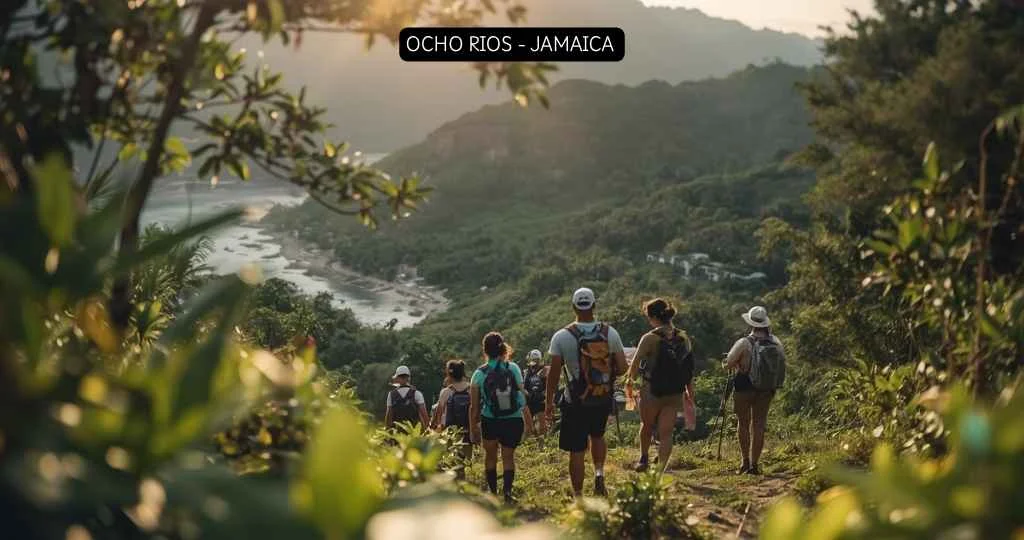
River tubing on the White River, ATV tours through the mountains, snorkelling trips, and the famous Mystic Mountain bobsled run all work on the same principle — group operations that welcome individual bookings. Show up alone and you are absorbed into a group within minutes.
The town of Ocho Rios itself is compact and walkable. The craft market near the cruise ship pier is lively and good-natured. The beaches closest to town are accessible without resort entry fees. Ocho Rios rewards curiosity and energy. If you cannot sit still on a beach for three days, this is your Jamaica.
Best for: Solo travelers who want activity over stillness. Extroverts who want easy social contact. Anyone doing Jamaica in under a week who needs concentrated experiences.
Kingston — For the Solo Traveler Who Wants to Understand Jamaica
Most tourists skip Kingston entirely. That is a mistake that solo culture travelers should not repeat.
Kingston is where Jamaica’s identity was forged and continues to evolve. It is the city of Bob Marley, of Studio One, of National Heroes Park, of the National Gallery’s extraordinary collection, of the Trench Town Culture Yard where reggae was born, and of Devon House — a nineteenth-century mansion turned ice cream destination that tells you more about Jamaica’s complex history in one visit than any resort welcome booklet.
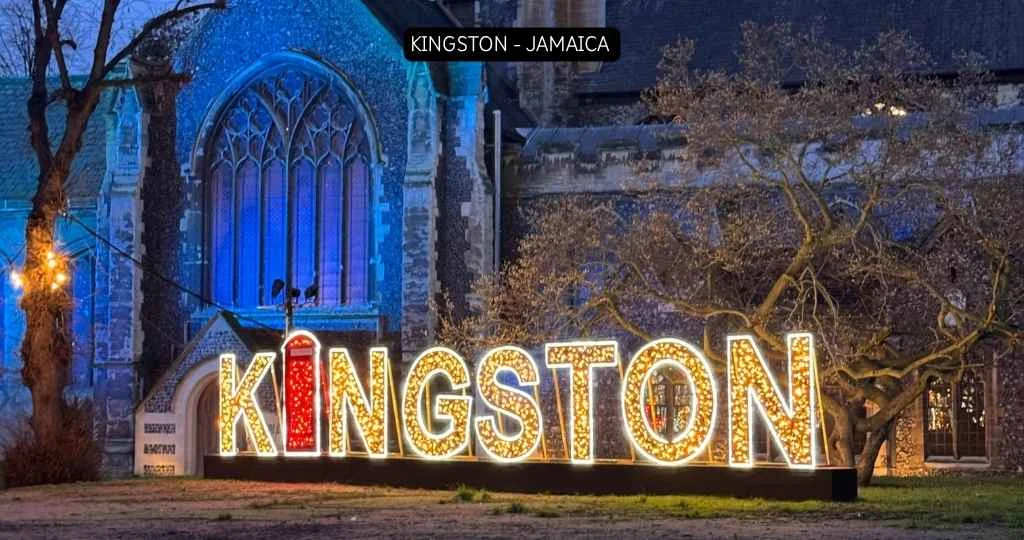
The Bob Marley Museum, located in the house where Marley lived and recorded, is not a theme park. It is a serious, moving documentation of a man whose music became a global language. Give it two hours, not forty-five minutes.
Kingston is also where Jamaican food is most authentically found — not jerk chicken dressed up for tourists, but the full range of the cuisine. Escovitch fish, mannish water, pepper pot soup, roast breadfruit, ackee and saltfish prepared properly. The cookshops of New Kingston and the Sunday breakfast culture of the suburbs are worth any amount of effort to reach.
Safety in Kingston requires more active awareness than the north coast. The city has genuinely dangerous areas that no tourist has any reason to visit. Within New Kingston, the tourism zone, and on well-established cultural routes, solo travelers who move with awareness and use guided transport have consistent, positive experiences. Hiring a local guide for your first day in Kingston is not an admission of weakness — it is how you get ten times more out of the city than wandering alone with a map.
Best for: Solo travelers with previous Caribbean experience. Anyone whose primary interest is music, art, or cultural history. The curious, not the cautious.
Jamaica Solo Travel Safety: Facts Over Fear
Jamaica solo travel safety is the first search every prospective visitor runs. The honest answer requires separating statistical reality from geographic nuance.
Jamaica’s overall crime statistics are elevated, concentrated almost entirely in specific inner-city areas of Kingston and parts of Montego Bay that tourists do not visit and have no reason to visit. The neighbourhoods at the center of those statistics — Arnett Gardens, Denham Town, certain parts of Spanish Town — are not adjacent to Seven Mile Beach. They are not near Dunn’s River Falls. They are not in New Kingston’s hotel district. The geography of crime and the geography of tourism are largely separate in Jamaica.
The resort areas and tourist towns like Negril and Ocho Rios have a heavier security presence, and most crime in Jamaica occurs in impoverished inner-city areas that tourists are unlikely to frequent. Travel Noire
What solo travelers actually encounter — far more commonly than violent crime — is hustling. Persistent vendors, unlicensed tour guides who attach themselves at popular sites, and touts near cruise ship piers who can be aggressive in their salesmanship. None of this is dangerous. All of it can be managed with a calm, direct “no thank you” and continued walking.
Practical safety decisions for solo travelers in Jamaica:
Transportation is where most safety decisions are made. Use only taxis ordered from hotels and authorized by the Jamaica Union of Travellers Association (JUTA), identified by red-and-white “PP” licence plates and a lime-green JUTA sticker on the window. Agree on the fare with the driver before departure, since taxis are not metered. Ridesharing apps are also widely used and generally reliable — confirm the driver and plate before entering.
After dark, the calculus shifts. Beaches that feel perfectly safe at 6pm can feel isolated by 9pm. Stay within lit, populated areas after sunset. In Negril, the beachfront strip and cliff bars are genuinely safe social environments well into the night. In Montego Bay, the Hip Strip has consistent foot traffic and security. The rule is not “stay inside” — it is “stay where people are.”
Valuables are the simplest category. Do not wear expensive jewellery on the street. Do not carry your passport in a day bag at the beach. Do not leave electronics visible in rental cars. This applies everywhere in the world and Jamaica is not exceptional in requiring it.
Scams to know: unofficial “helpers” at airports who offer to carry your bags (they will expect payment), beach vendors who present gifts before negotiating prices (the gift becomes a lever), and drivers who offer dramatically cheaper rates than JUTA taxis (unlicensed, uninsured, and occasionally problematic).
One underrated safety tool for solo travelers: tell your accommodation where you are going. A good guesthouse owner or hotel front desk knows the island and will tell you immediately if a plan is inadvisable. This local knowledge is worth more than any travel advisory.
Jamaica Travel Tips for First-Time Solo Travelers
These are not generic bullet points. They are specifically useful for someone arriving in Jamaica alone for the first time.
Arrive in daylight if you possibly can. This is not a safety rule, it is a comfort rule. Arriving at night means navigating an unfamiliar transportation system in the dark, with no sense of your surroundings, while managing luggage. Daylight arrivals are simply easier and more enjoyable. If your flight schedule forces a night arrival, book a JUTA taxi in advance through your accommodation rather than arranging it on the spot.
Your first accommodation choice sets the tone for your whole trip. A guesthouse or small hotel where staff know your name within an hour gives you a local network immediately — someone to ask about restaurants, warn you about particular beach vendors, recommend a driver they trust. A large all-inclusive resort gives you comfort and predictability. Neither is wrong, but they produce different trips. Know which trip you are choosing.
Carry Jamaican dollars from the start. The best food experiences in Jamaica — jerk pork from roadside pits, freshly caught fish at local cookshops, coconut water from a man with a machete by the road — are cash only and priced in Jamaican dollars. ATMs exist in all main tourist areas but queuing for one when you are hungry undermines the spontaneity that solo travel runs on. Exchange a small amount at the airport and keep small denominations.
Do not plan every hour. Over-scheduling is the most common first-time solo travel mistake, amplified in Jamaica specifically because the island’s best moments are unplanned. The conversation at the jerk stand that turns into a cooking lesson. The fisherman who offers to take you out at dawn. The sound system that sets up on the beach with no announcement. Leave space in your itinerary for these things to happen. They will.
Learn to say no without apologizing. Persistent vendor culture in tourist areas of Jamaica is real. Saying no clearly and walking on — without lengthy explanation, without guilt, without the pause that invites negotiation — is a skill worth developing in the first hour. “No thank you” said calmly and once is sufficient. Engaging, explaining, or apologizing extends the interaction and encourages it.
Use group excursions as social infrastructure. When you book onto a group excursion — river tubing, a waterfall hike, a boat trip — you are not just booking an activity. You are buying a half-day of social context. The people on that excursion with you are also travelers. Some will be solo. Conversations start easily when you are all standing at the base of the same waterfall. This is one of the most reliable mechanisms for meeting people as a solo traveler in Jamaica.
Eat local at least once a day. Jamaica has extraordinary cuisine and most visitors experience only ten percent of it. The resort buffet is a starting point, not a destination. Ackee and saltfish, the national dish, is a morning meal and should be eaten at a local cookshop where it is made fresh. Curry goat is the Sunday meal of choice across the island. Brown stew chicken over rice and peas is the weekday staple. Festival — the slightly sweet fried dough served alongside fish — is addictive. None of this is available in its proper form at a resort buffet.
Jamaica Budget Solo Trip: What Things Actually Cost in 2025–26
A Jamaica budget solo trip is genuinely achievable. The island operates on two parallel economies — the tourist economy and the local economy — and smart solo travelers learn to move between both.
Accommodation costs: Guesthouses and small independent hotels outside resort zones: US$35–65 per night. You get a private room, often breakfast, and the kind of local knowledge that money cannot buy on its own. Boutique hotels in Negril or Ocho Rios: US$80–130 per night. All-inclusive resorts: US$140–260 per person per night, with all meals, drinks, and many activities included. The all-inclusive math works well for solo travelers who want predictable costs and a social environment without planning.
Food costs: Local cookshop full plate (rice, peas, protein, vegetables): US$3–6. Mid-range local restaurant: US$10–18 per meal. Resort dining: US$20–35 and above. Street food — jerk, patties, festival, roasted corn: US$1–4 per item. The cheapest and most delicious food in Jamaica shares no overlap with the most expensive.
Transportation: Route taxis — shared minibuses that run fixed routes between towns — cost under US$5 for most inter-town journeys and are the authentic way to move around. JUTA taxis for private transfers are significantly more expensive but offer door-to-door service and are the safest option for airport runs and late-night returns. Renting a car is useful for exploring parts of the island not served by tourist infrastructure — Portland, the south coast, the Blue Mountains — but requires comfort with left-hand driving, roads that occasionally test vehicle clearance, and significant awareness at night.
Excursions: Group excursions (Dunn’s River Falls, river tubing, catamaran sunset cruises, ATV tours): US$30–80 per person. These prices include transport from pickup points. Private tours run two to three times the cost but offer flexibility and are worth it for Kingston cultural exploration where a knowledgeable guide changes the experience entirely.
Realistic daily budgets: Budget solo (guesthouse, local food, one group excursion every two days): US$55–80/day. Mid-range solo (boutique hotel, mixed dining, regular excursions): US$100–160/day. All-inclusive solo (full resort package): US$150–260/day with most costs absorbed.
Jamaican Culture and Food: What Solo Travelers Actually Need to Know
Reggae Is Not Decoration
Reggae emerged in the late 1960s from the yards and tenement communities of West Kingston, fusing Ska, Rocksteady, and Rastafarian spiritual music with the lived experience of poverty, resistance, and hope. When it reached the world through Bob Marley, it carried those roots with it. Understanding this even slightly changes what you hear when the music plays.
The Bob Marley Museum in Kingston occupies his former home and recording studio. The guided tour is intimate and specific — you see the bullet holes from the 1976 assassination attempt, the recording equipment, the photographs, the room where he slept. It takes about ninety minutes and is one of the more genuinely moving museum experiences in the Caribbean.
Dancehall — reggae’s evolution — is the current dominant form of Jamaican popular music. It is louder, faster, more urban, and politically different from roots reggae. Both exist simultaneously and serve different communities. Asking a Jamaican under thirty about dancehall and an older Jamaican about roots reggae produces very different and equally interesting conversations.
Rastafarian Culture: Approach with Genuine Curiosity
Rastafarianism is a living spiritual tradition, not an aesthetic. It originated in Jamaica in the 1930s, drawing from Ethiopian Christianity, Pan-Africanism, and the teachings of Marcus Garvey. Its adherents hold genuine theological beliefs, dietary practices (Ital — clean, plant-based food), and ethical frameworks that inform daily life.
Solo travelers who approach Rastafarian Jamaicans with authentic curiosity — not camera-first, not seeking a photo opportunity — often find the most substantive conversations available on the island. Ask about Ital cooking and you will usually be invited to try something. Ask about Jah and you will get theology. Ask about Haile Selassie and you will get history.
The Food Is the Culture
Jamaican cuisine is not a side dish to the cultural experience. It is the experience itself. The flavours are aggressive and specific — scotch bonnet heat that arrives seconds after the bite, allspice (locally called pimento) that defines jerk seasoning, fresh thyme grown in every kitchen garden, coconut milk that sweetens rice into something worth eating alone.
Dishes worth going out of your way to find:
Ackee and saltfish is the national dish, eaten at breakfast. Ackee is a fruit that cooks to a texture resembling scrambled egg; combined with salted cod, onion, scotch bonnet, and tomato, it is one of the most complete breakfast dishes in the Caribbean. Find it at a cookshop that makes it fresh in the morning, not a resort buffet that holds it in a warming tray.
Jerk pork from a proper roadside pit (not a restaurant kitchen) is a different food from jerk chicken. The pork is marinated for twelve to twenty-four hours, slow-cooked over pimento wood — which is what gives authentic Jamaican jerk its specific smokiness — and served on brown paper with festival and hard dough bread. Boston Bay in Portland is considered the origin point of jerk cooking and worth a detour if you are on the northeast coast.
Curry goat is the ceremonial meat of Jamaica, served at parties, Sunday lunches, and celebrations. It takes hours to prepare correctly and the flavour reflects that. If a Jamaican invites you to Sunday lunch, the answer is yes.
Pepper pot soup is a dark, rich broth made with callaloo, okra, meat, and scotch bonnet. It is the comfort food of the island and almost never appears on tourist menus.
Blue Mountain coffee is produced in the mountains above Kingston and is considered among the finest coffee in the world. Drink it where it is grown, not from a hotel packet.
How to Structure Your Time: Solo Jamaica Itinerary Options
Seven Days (Recommended Minimum for Solo Travel in Jamaica)
Days 1–2: Montego Bay Use this time to orient. Learn how JUTA taxis work. Walk the Hip Strip in both directions. Swim at Doctor’s Cave Beach. Book one group excursion from Montego Bay — the Green Grotto Caves or a river experience — to meet other travelers and get a feel for how group operations work before you rely on them further into the trip.
Days 3–5: Negril The shared taxi from Montego Bay to Negril takes roughly ninety minutes and costs under US$5. Check into a guesthouse, not a resort, and walk Seven Mile Beach from end to end on your first afternoon. The cliff bars at the western tip (Rick’s Café is the most famous, Xtabi and Alfred’s are less crowded) become your sunset headquarters. Buy your food from the beach stalls and the cookshops one road back from the water.
Days 6–7: Ocho Rios Take the coastal route east. Dunn’s River Falls is non-negotiable and best done on arrival day when you still have energy. Book a second activity — river tubing, a Blue Hole excursion, or the Mystic Mountain bobsled — for your second day. The craft market near the pier is worth an hour of your time and your negotiation skills.
Ten Days (Ideal for First-Time Solo Visitors)
Add Kingston as days 8–10. The drive from Ocho Rios takes approximately two hours. Spend day eight on the Bob Marley Museum and Devon House. Day nine, arrange a Kingston Creative walking tour to see the street art and understand downtown. Day ten, eat a full Kingston breakfast — ackee and saltfish, boiled green banana, fried plantain — at a local spot before heading to the airport.
Four Days (Short Solo Trip)
Choose one region and commit to it. Negril rewards depth more than breadth. Four days in Negril, eating locally, watching sunsets, doing one water activity, and walking the beach twice a day, is a complete trip. Do not try to reach Ocho Rios and Kingston in four days. You will spend more time in transit than in experience.
Best Time to Visit Jamaica for Solo Travelers
December to April is peak season — the driest months, the most consistent temperatures (mid-to-high 20s Celsius), and the highest prices. It is also when the island is most socially alive. More visitors means more fellow travelers on excursions, more conversation at beach bars, more energy at sunset spots. For solo travelers who want company, peak season is worth the premium.
May and November are the best shoulder months. Prices drop by 20–40% from peak. The crowds thin. Weather is largely fine — afternoon showers are common but brief, usually clearing within an hour. For budget-conscious solo travelers, these months offer the best combination of value and reasonable conditions.
June through October is hurricane season. Even small tropical storms can quickly develop into major hurricanes during this period in the Atlantic, Caribbean Sea and Gulf of Mexico. October 2025 saw Hurricane Melissa cause significant infrastructure damage in western parishes. If you travel during hurricane season, check current advisories specifically — not general guidance — and ensure your travel insurance covers weather disruption and evacuation.
The practical solo travel timing rule: if social contact matters to you, travel peak season. If budget matters more, travel shoulder. If you have absolute flexibility, late November or early May hits both.
Solo Travel in Jamaica FAQ
Is Jamaica safe for solo female travelers?
Yes — with the same active awareness that solo female travel requires anywhere unfamiliar. The precautions are consistent: licensed transportation, accommodation where staff know you, avoiding isolated areas after dark, and trusting your instincts immediately rather than after deliberation. Negril and Ocho Rios are the most comfortable starting points. Solo female travelers who have done Jamaica consistently report the experience as positive, with Jamaican women in particular being among the most welcoming and practically helpful people on the island.
Do I need a visa to visit Jamaica?
Citizens of the United States, United Kingdom, Canada, and most EU countries do not require a visa for tourist stays up to 90 days. Always verify through your government’s official travel portal before booking, as entry requirements can change. You will be required to complete a visit Jamaica online immigration form before arrival — this takes about ten minutes and should be done the day before your flight.
Can I travel around Jamaica without renting a car?
Yes, comfortably. Route taxis connect all main tourist areas at very low cost. Within Negril and Montego Bay, walking covers most needs. Excursions include their own transport. A rental car adds flexibility for very specific purposes — exploring Portland, the south coast, or the Blue Mountains — but is not necessary for a standard solo trip and adds complexity (left-hand driving, road conditions, parking security) that solo first-timers often find more stressful than liberating.
How do I make friends as a solo traveler in Jamaica?
Group excursions are the most reliable mechanism. Beyond that: eat at the bar, not a table, in beach restaurants. Attend live music events, which happen multiple nights a week in Negril and Montego Bay. Choose accommodation with communal spaces — a guesthouse porch, a hostel common area, a small hotel’s beach chairs. Jamaica’s natural social culture does much of the work for you; your job is simply to be available to it.
What should I pack for a solo trip to Jamaica?
Light, breathable clothing (cotton and linen dry fastest). Reef-safe sunscreen — chemical sunscreens are damaging to coral reefs and increasingly restricted at specific sites. Insect repellent for evenings, particularly in garden-style accommodation away from the sea breeze. A day bag that does not advertise itself — no designer logos, no obvious camera bags. A dry bag if you plan water activities. Comfortable walking sandals for beach days and closed shoes for Kingston. A small first aid kit with rehydration salts, since heat and unfamiliar food occasionally affect digestive systems in the first two days.
Is Jamaica LGBTQ+ friendly for solo travelers?
This requires an honest answer. Jamaica has historically had a conservative social attitude toward LGBTQ+ relationships, rooted in religious culture and reflected in legislation that, while not enforced against tourists in practice, remains on the books. Tourist-facing Jamaica — resort environments, beach towns, excursion operators — is largely non-confrontational. Public displays of affection between same-sex couples are inadvisable outside explicitly liberal spaces. Kingston has a small, active queer community, particularly in creative arts circles. LGBTQ+ solo travelers who travel with awareness of local social norms generally report positive experiences. Discretion is the operative word rather than concealment — the same approach a LGBTQ+ solo traveler would take in any socially conservative country.
The Solo Traveler’s Honest Final Word on Jamaica
Jamaica is not the easiest Caribbean island. It is not the most manicured, the most predictable, or the most sanitised. It has edge to it — in its music, in its history, in the directness of its people, in the contrast between the luxury tourist economy and the communities that live alongside it.
That edge is exactly what makes solo travel in Jamaica so memorable.
The best solo trips are not the ones where everything goes smoothly. They are the ones where you are genuinely present — uncertain enough to pay attention, surprised often enough to stay curious, and connected to real people rather than resort staff trained to keep you comfortable at a distance.
Jamaica offers all of that. The music is real. The food is real. The conversations are real. The island’s beauty — from the Blue Mountains that form its spine to the phosphorescent lagoon at Falmouth to the wild, undeveloped coastline of the south — is spectacular and mostly unmanicured.
Go alone. Move slowly. Eat where the locals eat. Watch the sunset from the cliffs. Talk to people. You will return with more than photographs.
Solo Elite Trip — elitetrip.de Written exclusively for independent solo travelers. No sponsored content. No affiliate links. No group tour bias.
🧳 Get Your Free Solo Travel Safety Checklist — the exact step-by-step guide smart solo travelers use to stay safe, confident, and fully prepared on their first trip. Download it now and travel with peace of mind.
You might also like :
- Solo Spring Break Travel: 7 Destinations Where Smart Travelers Are Actually Going in 2026
- The Ultimate Guide to Solo Road Trip in US
- Best Places to Travel Solo Female in US
- Solo in Paris: Best solo museum guide paris (Best Hidden Gems + Solo-Friendly Cafes)
- Best Solo Travel Spots Under $1,000
- solo travel tips on a budget: How I Traveled to 10 Countries Alone
- 15 Safety Solo Travel Tips for Female Travelers in the US
- 50 Solo Travel Tips for Your First Trip | Elitetrip
Want to Share Your Experience?
Have you traveled using one of our guides or found inspiration here?
👉 Share your experience in the comments or send us your story
Your insights help other travelers plan more thoughtful, rewarding journeys.
Latest Reviews
There are no reviews yet. Be the first one to write one.