Hawaii Solo Travel Guide: The ElitTrip Honest Guide for Travelers Going Alone in 2026
Hawaii is the destination that solo travelers feel guilty about wanting. It has a reputation — honeymoon sunsets, family beach days, couples holding hands on a catamaran at dusk.
And yet the solo traveler who actually goes to Hawaii alone consistently describes it as one of the most transformative travel experiences of their life. Not despite going alone.
Because of it. This Hawaii solo travel guide is for the traveler who is done feeling guilty about wanting to go, and ready to understand exactly how to do it.
Table of Contents
The Honest Truth About Solo Travel in Hawaii That Nobody Tells You – Hawaii Solo Travel Guide
Hawaii is a brilliant choice for solo travelers, offering a perfect mix of adventure and chilled-out vibes. Being part of the USA, it’s famous for its volcanic islands, national parks, and those mesmerizing black sand beaches. Whether you’re exploring lava fields or diving into eco-tourism, you’ll find plenty to keep you captivated.
That combination — American infrastructure in a landscape that looks nothing like America — is what makes Hawaii work so specifically well for the solo traveler who is new to independent travel. You land at a US airport. Your phone works without a SIM card purchase. English is the only language you need. Every island has Uber, car rentals with familiar processes, and accommodation booking systems that require no cultural translation. And yet outside the airport, within twenty minutes, you are in a landscape of active volcanoes, ancient Polynesian culture, coral reefs of extraordinary color, and rainforest valleys that have never been visible from a road.
Hawaii has one of the lowest violent crime rates in the USA. Honolulu has been named the safest city to visit in the world according to the Hawaii Tourism Authority, making it the safest Hawaiian island.
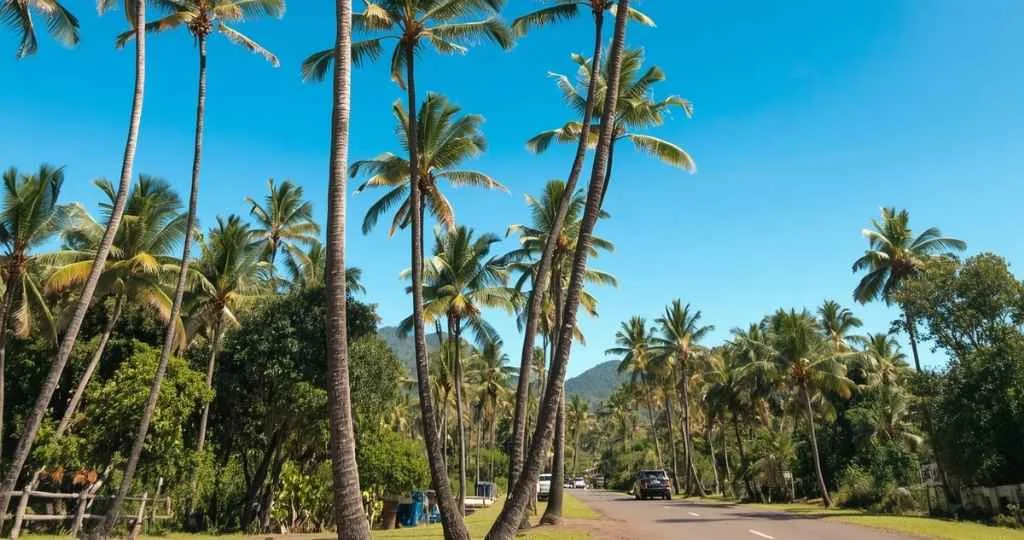
Hawaii is a gorgeous place for solo travelers. You’ll never be bored or lonely. The islands are known for their stunning natural beauty — with gorgeous beaches, lush rainforests, and towering volcanoes.
The safety data is not marketing copy. It reflects the reality on the ground that solo travelers — including solo female travelers — report consistently: Hawaii is the most logistically forgiving solo destination in the Pacific, and one of the safest anywhere in the world.
What nobody tells you before you go: the solo experience in Hawaii is fundamentally different from the couple or family experience. The island moves differently when you have nobody to negotiate with. You wake up when you want. You stay at a viewpoint until you have finished with it rather than until the group has. You take the turn you weren’t sure about because there is no one to reassure. The volcanic crater at sunrise, the turtle at the snorkel site, the moment on the Road to Hana when the forest closes overhead and the road becomes a single lane and the waterfall appears around a curve — these moments are not diminished by solitude. They are amplified by it.
This is what a Solo Elite Trip to Hawaii actually delivers. Not just a bucket list destination. A genuinely personal encounter with one of the most extraordinary landscapes on earth.
Choosing Your Island: The Most Important Decision of Your Hawaii Solo Trip – best islands in Hawaii for solo travelers
“If you want some action, go to Waikiki. If you want low key, go to Kauai. If you want a mix of those, go to Maui.”
That three-sentence framework is more useful than most Hawaii planning guides, and it is where every solo traveler’s decision should begin. Not with a list of attractions, but with an honest inventory of who you are as a traveler and what you actually need from this trip.
Here is the full honest island comparison — built specifically for the solo traveler rather than the couple, family, or group.
🌺 Oahu — The Solo Traveler’s Most Practical Starting Point
Oahu, particularly Waikiki in Honolulu, The public transportation system provides exceptional service, making it easy for you to experience the area’s lively nightlife, famous attractions such as Pearl Harbor, and a variety of free events. Most accommodations are concentrated here, making it a cost-effective choice for solo travelers.
“For not renting a car and going solo, really the island of Oahu and staying in Waikiki is the only choice that makes sense.”
best islands in Hawaii for solo travelers

Oahu is where the solo traveler who wants maximum flexibility, minimum logistics, and the widest range of social opportunities should begin. Waikiki is where most accommodation concentrates — from the budget-friendly hostels near Kuhio Avenue to mid-range hotels a block from the beach to the genuinely iconic Royal Hawaiian (the Pink Palace) on Kalakaua Avenue. The beach itself — white sand, warm water, Duke Kahanamoku’s statue presiding over the surf — is exactly what it looks like in photographs and better in person, particularly at 7am before the volume reaches its midday peak.
Diamond Head State Monument — the dormant volcanic crater rising above the eastern end of Waikiki — is the finest solo morning activity on Oahu. The 1.6-kilometer trail from the crater floor to the summit gains 175 meters of elevation through switchbacks and two tunnels, emerging at a concrete bunker on the rim with panoramic views of Honolulu, Waikiki, and the Pacific. Diamond Head is a 300,000-year-old dormant volcano — hiking to the top gives you panoramic views of the city and the Pacific Ocean that most travelers consider among the finest in Hawaii. Book your timed entry reservation online before you go — walk-in entry is no longer available and the morning slots fill up days in advance.
Pearl Harbor — specifically the USS Arizona Memorial, the Battleship Missouri, and the Aviation Museum — is a full day rather than a half-day. The Arizona Memorial requires a free timed-entry pass (book weeks in advance online) for the boat transfer to the structure built directly over the sunken battleship. Standing above the oil that still seeps from the wreck 84 years later, looking down through the water at the ship that became the tomb of 1,177 sailors on December 7, 1941, is one of the most emotionally resonant experiences in the Pacific — and one that lands differently on the solo traveler who processes it without managing anyone else’s reaction to it.
The North Shore — 45 minutes from Waikiki on the island’s northern coast — is where Oahu becomes something completely different from the resort city. The seven-mile stretch from Haleiwa to Sunset Beach contains some of the most famous surf breaks on earth: Sunset Beach, Ehukai (the Banzai Pipeline), and Waimea Bay. In winter (November to February), waves at these breaks regularly exceed six meters — the kind of surf that draws professional competitions and crowds of spectators from around the world. In summer, the same water is calm enough for swimming and snorkeling.
For solo travelers: Kailua on the windward coast of Oahu is one of the top beaches in Hawaii — a safe place, very laid-back with locals, rated one of the best beaches in the state. Perfect for running, hiking, and biking. It provides everything Waikiki offers in terms of beach quality with a fraction of the tourist density — ideal for the solo traveler who wants Hawaii’s natural beauty without Hawaii’s most commercial atmosphere.
Average daily budget: $120–200 USD Solo-Friendly Rating: 9.5/10
“I hiked Diamond Head alone at 6am on my first morning in Hawaii. At the summit, the entire sweep of Waikiki was below me — the hotels, the beach, the Pacific going to the horizon — and I understood immediately that I had come to the right place and done exactly the right thing by coming alone. The view belongs to the person who is present for it.”
🌺 Maui — The Island That Rewards the Solo Traveler Who Goes Slowly
If your budget allows for it, you really can’t go wrong with the breathtakingly beautiful island of Maui. This paradise isle is filled with natural wonders including waterfalls, volcanoes, and hidden beaches. The sunsets at the East Maui volcano (Haleakalā) are simply breathtaking. best islands in Hawaii for solo travelers
Two of Hawaii’s safest islands are Kauai and Maui.
Maui is the island that consistently produces the most powerful solo travel experiences in Hawaii — not because it is the most dramatic, but because it is the most varied. In a single day on Maui, you can drive through a bamboo forest, stand above the clouds at a 3,055-meter volcanic summit, descend through eleven distinct climate zones, and finish with grilled fish at a harbor-side restaurant watching the sun drop into the Pacific. No other island in Hawaii covers this range in a single rotation.
Haleakalā National Park — the massive shield volcano that occupies 75% of Maui’s landmass — is the island’s defining experience and the one that most dramatically rewards the solo traveler. The summit crater at sunrise: you arrive in darkness (the 3am alarm is non-negotiable), drive the switchback road through clouds and into the star-filled sky above them, and stand at the 3,055-meter rim as the sun appears below the cloud line and the entire crater fills with light from the inside out. Most people get up at some crazy hour to drive there for sunrise. Another option is a leisurely afternoon drive to arrive at the top for a spectacular sunset, then stay for evening stars. The sunset-to-stars option is actually the more rewarding solo experience — the sunrise crowd is large and cold, while the sunset crowd is smaller and the transition from orange light to Milky Way visibility happens over two extraordinary hours.
The Road to Hana — 64 kilometers of winding road through rainforest, past 59 bridges and 620 curves, with waterfalls appearing without warning on both sides — is possibly the finest solo road trip in the United States. The road demands your complete attention — the curves are genuinely tight and the drop-offs are real — which creates a specific kind of presence that solo driving produces and passenger riding does not. Stop at every waterfall you can find. Walk every short trail. The most famous stops — Twin Falls, Garden of Eden, Wailua Falls — are significant, but the unnamed pull-offs where a stream crosses under the road and a pool has formed below are the ones that stay with you longest. Do it on a weekday. The early miles are crowded on weekends.
To meet others when traveling to Hawaii solo, head to the north end of Maui, which is more populated. You can learn more about the history of Maui and Hawaiian values through a storytelling and culinary evening at Mokapu Farm. Maui is also great for diving with lots of marine life — you can even snorkel through underwater lava arches and swim with Hawaiian Green Sea Turtles at Turtle Town.
Average daily budget: $130–220 USD Solo-Friendly Rating: 9/10
🌺 The Big Island — Where Hawaii Becomes Elemental
“The Big Island has the most scenic variety.”
best islands in Hawaii for solo travelers
The Big Island — Hawaii Island — is the most geologically active landmass on earth. It contains eleven of the world’s thirteen climate zones, the highest peaks in the Pacific (Mauna Kea at 4,205 meters, measured from sea level), the most active volcano system in the world, black sand beaches formed by lava entering the ocean and shattering on contact, and green sand beaches colored by olivine crystals eroded from ancient lava flows. No other island in the Hawaiian chain — and few places anywhere on the planet — offers this range of raw natural phenomenon in a single destination.
Hawaii Volcanoes National Park is the centerpiece — and for the solo traveler, it is one of the most affecting experiences in the Pacific. The park encompasses two active volcanoes: Mauna Loa and Kīlauea, which has been erupting almost continuously since 1983 and produced a dramatic eruption in May 2025 with lava shooting over 300 meters into the air. Kīlauea erupted several times in 2024, covering 217 acres of the Hawaii Volcanoes National Park. Check the Hawaiian Volcano Observatory’s current activity reports before visiting — lava viewing access changes weekly based on activity levels, and the difference between a park visit with active surface lava and one without is significant.
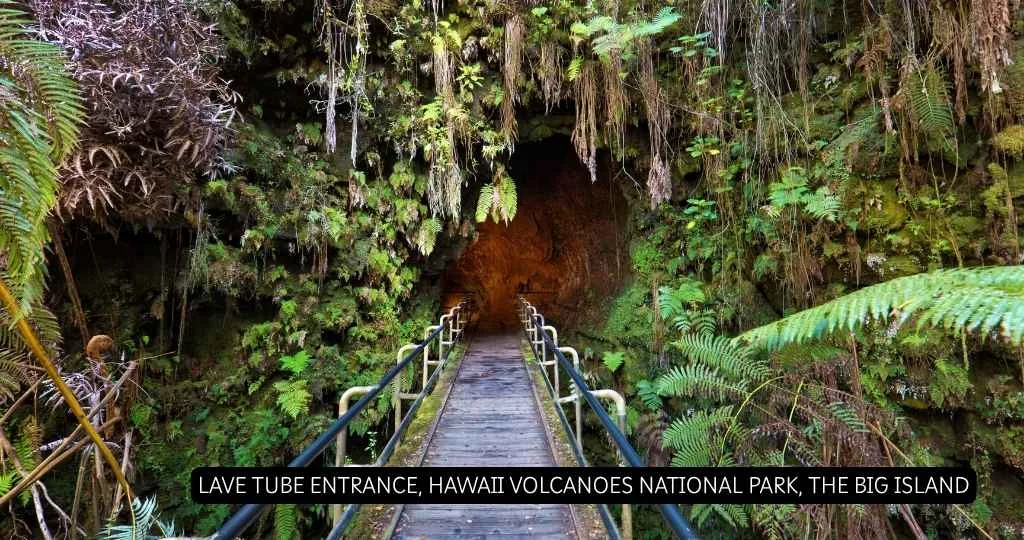
The Thurston Lava Tube — a 500-year-old tunnel formed when the outer surface of a lava flow hardened while the molten interior continued moving and eventually drained — is a genuinely strange and genuinely free experience: walking through a cave that was formed by one of the earth’s most fundamental geological processes, in a forest of giant tree ferns that look exactly as they would have looked before humans arrived in these islands. The Chain of Craters Road descends 1,100 meters from the Kīlauea caldera to the coast through a landscape of hardened lava fields that cover what were, not long ago, forests and roads and the homes of people who had to evacuate — a reminder that the Hawaiian archipelago is not a finished landscape but an ongoing geological process.
Walking on lava and watching it up close is genuinely extraordinary. A 40-minute commercial flight to Hilo and a short drive to Volcano National Park, staying the night to experience Kīlauea at your own pace both at night and in the daytime, is one of the finest Big Island combinations for an independent solo traveler.
Stargazing from Mauna Kea — the summit of the volcano, above 40% of the earth’s atmosphere, offers what astronomers consider the finest astronomical observing conditions in the Northern Hemisphere. The Visitor Information Station at 2,800 meters operates free stargazing programs on clear evenings. Driving to the summit at 4,205 meters requires a 4WD vehicle and acclimatization at the visitor station for at least 30 minutes — the altitude is real and altitude sickness is common among visitors who drive straight up.
Average daily budget: $110–190 USD Solo-Friendly Rating: 9/10
🌺 Kauai — The Garden Isle for the Solo Traveler Who Needs to Disappear
“Kauai has the most lush, tropical scenery and is reasonably compact but is very, very laid back in the evening.”
Two of Hawaii’s safest islands are Kauai and Maui.
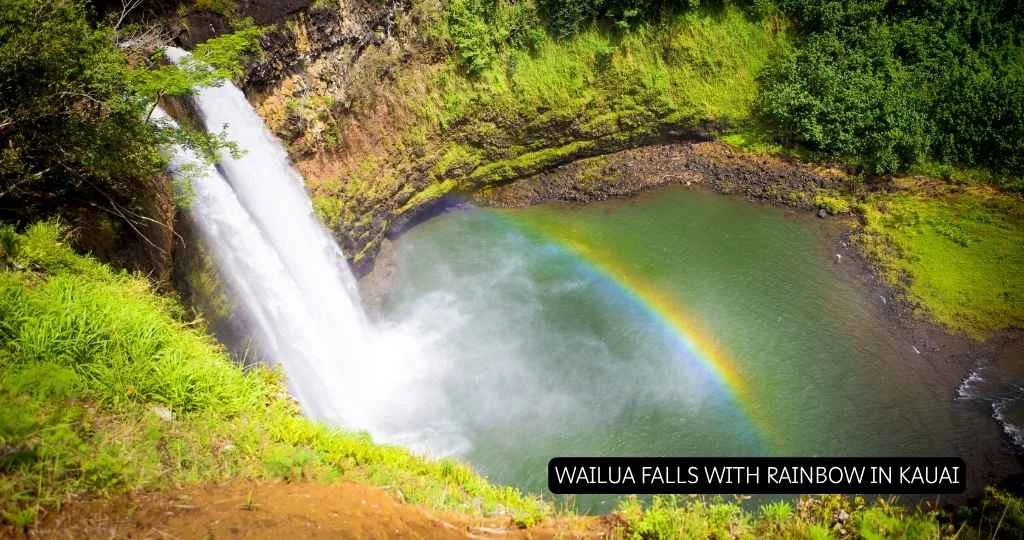
Kauai is where solo travel in Hawaii becomes something closer to solitude — and for the right traveler at the right moment in their life, that distinction is everything. The island has deliberately limited its hotel development to preserve its character, which means it is the least commercially developed of Hawaii’s major islands and the most naturally intact. The Nā Pali Coast — seventeen miles of fluted green sea cliffs dropping directly into the Pacific, accessible only by foot, boat, or helicopter — is the most visually dramatic coastline in the United States and one of the finest in the world.
The Kalalau Trail on the Nā Pali Coast is eleven miles of hiking through terrain that is as demanding as it is extraordinary — narrow paths on cliff edges, stream crossings, exposed ridges above the ocean — and requires a permit for overnight camping at the trail’s end in Kalalau Valley. The first two miles to Hanakāpīʻai Beach are open without permit and give the solo traveler a full experience of the coast’s drama without the commitment of the full trail. Go early. The path is genuinely narrow in places and two-way traffic is awkward.
Waimea Canyon — 1,100 meters deep, 16 kilometers long, the largest canyon in the Pacific and frequently compared to the Grand Canyon — is best experienced on a clear morning when the red and brown and green layers of its walls are fully visible from the overlooks on the rim road. The Pu’u o Kila Lookout at the top of the canyon road, on a clear day, gives you a view into the Kalalau Valley and the Nā Pali Coast simultaneously — the most expansive single viewpoint in Hawaii.
The hiking in Kauai is stunning. If you want to avoid couples or people honeymooning, you may want to skip Kauai — it draws a romantic crowd. But for the solo traveler who doesn’t mind that context, it remains one of Hawaii’s most naturally extraordinary destinations.
Average daily budget: $120–200 USD Solo-Friendly Rating: 8.5/10
The ElitTrip Hawaii Island Comparison for Solo Travelers – Hawaii Solo Travel Guide
| Island | Best For | Car Required | Avg Daily Budget | Solo-Friendly Rating |
|---|---|---|---|---|
| Oahu | First-timers, urban energy, history | Optional in Waikiki | $120–200 | 9.5/10 |
| Maui | Road trips, volcanic sunrise, marine life | Essential | $130–220 | 9/10 |
| Big Island | Volcanoes, stargazing, raw nature | Essential | $110–190 | 9/10 |
| Kauai | Hiking, Nā Pali, solitude, nature | Essential | $120–200 | 8.5/10 |
The Best Things to Do in Hawaii for Solo Travelers in 2026 – Hawaii Solo Travel Guide
Surfing — the Original Solo Pursuit – Best Things to Do in Hawaii alone
Hawaii is the birthplace of modern surfing — the sport was practiced by Hawaiian royalty on these specific waves before any other culture developed a relationship with board riding. Taking a beginner surf lesson on Oahu’s Waikiki Beach or Maui’s Lahaina harbor is one of the most socially accessible activities in Hawaii — lessons are conducted in small groups, instructors are uniformly patient and enthusiastic, and the particular joy of standing on a board for the first time is one of those experiences that bypasses self-consciousness entirely and produces genuine, unguarded happiness.
For experienced surfers, the North Shore of Oahu in winter offers some of the most technically demanding and visually spectacular surf on earth. The Banzai Pipeline — the reef break at Ehukai Beach Park where hollow tubes of water pitch over a shallow reef in waves that professional surfers train their entire careers to manage — is freely visible from the beach, and watching a pipeline set come through is one of the finest spectator experiences in Hawaiian outdoor life.
Snorkeling and Marine Life -Best Things to Do in Hawaii alone
Maui is great for diving with lots of marine life — you can snorkel through underwater lava arches and swim with Hawaiian Green Sea Turtles at Turtle Town.
Hanauma Bay on Oahu — a protected marine sanctuary in a volcanic crater bay — is Hawaii’s most famous snorkeling site and requires advance online reservation. The water clarity and marine density are extraordinary: the fish at Hanauma are so habituated to human presence that they investigate you rather than fleeing, and the Hawaiian green sea turtles that use the bay as a cleaning station will surface a meter from your face without any acknowledgment of your existence. Molokini Crater off Maui’s southern coast — a partially submerged volcanic crater forming a crescent-shaped reef — is accessible by morning boat tour and offers visibility of 30–50 meters in calm conditions.
Hiking: Where Hawaii Solo Travel Becomes Most Personal – Best Things to Do in Hawaii alone
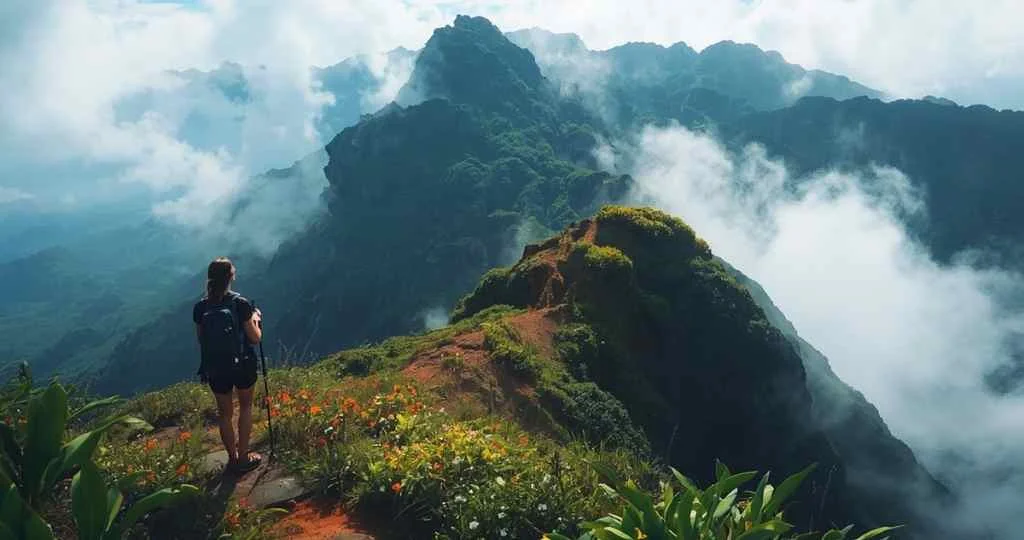
Kauai’s hiking is stunning, and solo hikers find that the island’s trails provide genuine wilderness access. Beyond Kauai, every island offers hiking that rewards the solo traveler specifically: Diamond Head on Oahu for the urban-volcanic combination, Haleakalā Crater on Maui for the volcanic moonscape, Kīlauea Iki on the Big Island for the walk across a solidified lava lake, and Waimea Canyon trails on Kauai for the canyon-rim views.
Join organized group activities — whether a snorkeling tour, a yoga class on the beach, or a group hike — as a fantastic way to meet people and experience the islands safely. For the solo traveler who wants social contact on their terms, these group activities provide exactly the right amount: shared experience, optional conversation, no ongoing obligation.
Cultural Experiences: The Layer Most Solo Travelers Miss – Best Things to Do in Hawaii alone
The Polynesian Cultural Center on Oahu’s North Shore is the most comprehensive introduction to Pacific Island cultures available in Hawaii — seven recreated villages representing Tonga, Samoa, Tahiti, Fiji, Aotearoa (New Zealand), Hawaii, and Marquesas, staffed by students from Brigham Young University Hawaii who are actual citizens of the cultures they represent. The evening show — a ninety-minute theatrical and musical performance combining traditional dance forms from across Polynesia — is the finest cultural performance in the state and one of the most impressive live shows available in the Pacific.
Attending a traditional luau is a popular way to experience hula dancing, local cuisine, and Hawaiian history in one setting — and as a solo traveler, you are seated at communal tables where conversations start naturally with the people beside you. The luau as social mechanism: one of the most reliably pleasant solo evenings available in Hawaii.
Getting Around Hawaii Alone: What Actually Works
Between Islands
Flying is the quickest and easiest way to travel long distances between islands. Domestic flights are also relatively affordable. The tip is to book your plane tickets in advance — the sooner you book them, the cheaper they will be. Inter-island flights run throughout the day, take 30–50 minutes, and connect the major islands with enough frequency that missed flights are recoverable without derailing an entire itinerary.
On Each Island
Renting a car gives you more freedom and flexibility to explore at your own pace. You can always rent a car just for a day, or make friends at your hostel to do a road trip with so it’s cheaper.
The car reality: on Maui, the Big Island, and Kauai, a rental car is not optional — it is the mechanism through which the island’s experiences become accessible. On Oahu, it is possible to function without one if you stay in Waikiki, but having a car opens the North Shore, the windward coast, and the areas that transform Oahu from a beach resort into an island. Book your rental as early as possible — Hawaii car rental availability tightens significantly as travel dates approach and prices spike accordingly.
Oahu has a good public transportation system, and parts of Maui you could get by without a car, but even there, it would be a good idea to have one. You can get around on The Bus, plus Uber, trolley lines, shuttles, and tours, or mostly just walking if you stay in Waikiki.
Practical Hawaii Solo Travel Tips for 2026
When to go
April, May, September, and October are generally considered the best times to visit, offering a balance of fewer crowds and pleasant weather. These shoulder months combine favorable weather with significantly reduced accommodation costs, shorter queues at major attractions, and an overall pace that rewards the solo traveler who wants to move at their own speed rather than competing with peak-season crowds for every viewpoint and parking space.
Walking around at night is generally safe, but as with anywhere, travelers should stick to populated and well-lit areas.
Natural hazard awareness — the honest version
Hawaii’s most significant safety threats are ecological and environmental rather than crime-based. Ocean safety requires active attention: surf conditions change rapidly in Hawaii. Before going swimming, look for posted safety signs. Never turn your back on the ocean — massive waves can sweep you away without warning.
Avoid swimming at night — including twilight. That’s when sharks are closest to the shore and most active. Landslides are a significant danger to people driving remote roads on Kauai, Maui, Moloka’i, and Lanai.
The volcanic activity context: Kīlauea erupted several times in 2024, and Kīlauea continued its eruption with lava shooting over 300 meters in May 2025. Lava moves relatively slowly and you should have plenty of advance warning if evacuation becomes necessary. Check the Hawaii Volcano Observatory’s activity page before visiting Volcanoes National Park.
Sun protection
The tropical sun in Hawaii is intense and can burn you badly even on hazy or cloudy days. Use sunscreen with a higher SPF than you would at home — if you use SPF 30 back home, use SPF 50 in Hawaii. Use reef-safe sunscreen — Hawaii has banned oxybenzone and octinoxate-containing sunscreens to protect coral reefs.
Budget reality
Flights may be your biggest expense, depending on where you are traveling from. If you’re coming from the USA and you book your flights in advance, round-trip plane tickets might cost around $600–1,500 USD. Once you arrive, accommodation is usually the biggest expense.
For solo travelers, the single supplement reality of Hawaii is softer than in most destinations: hostels in Waikiki provide genuine budget options, vacation rentals through verified platforms offer single-room options at competitive rates, and the abundance of accommodation on Oahu creates genuine price competition that the neighbor islands — with their smaller hotel inventories — don’t always match. Budget $100–150 USD per night for a private room in a well-located hostel or budget hotel on Oahu; $150–250 USD for a mid-range hotel on Maui or the Big Island.
Hawaiian cultural respect — the things that matter
Hawaii’s culture is rich and unique — attend a traditional luau, learn a few words of Hawaiian like “Aloha” and “Mahalo,” and don’t be shy about chatting with locals.
The principle of mālama ʻāina — caring for the land — is not a tourism slogan. It is a foundational cultural value that shapes how Hawaiians relate to their islands and how they evaluate visitors who come to them. Staying on marked trails, not removing natural elements (rocks, sand, coral), supporting local businesses over chain operations, and treating sacred sites — heiau (temples), burial grounds, culturally significant natural features — with genuine respect rather than as photography opportunities reflects this value in practice. Visitors who demonstrate mālama ʻāina in their behavior consistently report warmer and more genuine interactions with local Hawaiians than those who treat the islands as a backdrop.
Hawaii Solo Female Travelers: The Honest Hawaii Reality
Hawaii has one of the lowest violent crime rates in the USA. Honolulu has been named the safest city to visit in the world according to the Hawaii Tourism Authority, making it the safest Hawaiian island. Kauai is also considered one of the safest islands in Hawaii. While Hawaii is generally safe, it’s wise to stick to daytime activities, especially if you’re exploring remote areas or hiking solo.
Start your days early to catch those gorgeous sunrises, and plan to return to your accommodation before it gets too late. Sunset beaches are magical, but it’s best to have a plan for getting back safely.
The hiking reality for solo female travelers: popular trails on all islands are genuinely safe during daylight hours — well-traveled, frequently supervised by park rangers, and populated by other hikers whose presence provides natural safety. Remote trails — the back half of the Kalalau Trail on Kauai, the summit approaches on Mauna Kea — are better tackled with a guided group or after establishing a clear check-in arrangement with your accommodation. Not because the trails are dangerous in the crime sense, but because the terrain is serious and getting injured or lost in remote Hawaiian wilderness is a medical emergency rather than an inconvenience.
Waikiki Beach in Honolulu is the best place for a solo female traveler’s first solo trip to Hawaii — a mix of urban amenities, sightseeing, and natural beauty. Historic landmarks, vibrant food and shopping scenes, and beautiful beaches make it ideal for first-time solo female travelers.
The ElitTrip Suggested Solo Hawaii Itineraries
7 Days — The Essential Hawaii Solo Experience:
Arrive Honolulu.
Day 1: Waikiki, Diamond Head at dawn.
Day 2: Pearl Harbor full day.
Day 3: North Shore (Haleiwa, Waimea Bay, sunset at Sunset Beach).
Day 4: Fly to Maui.
Day 5: Road to Hana (full day, leave by 7am).
Day 6: Haleakalā for sunset and stars.
Day 7: Snorkel at Molokini or Turtle Town, evening flight home.
10 Days — The Complete Solo Island Circuit:
Three nights Oahu (Diamond Head, Pearl Harbor, North Shore, Hanauma Bay).
Two nights Big Island (Volcanoes National Park, Mauna Kea stargazing, black sand beach).
Three nights Maui (Road to Hana, Haleakalā, snorkeling).
Two nights Kauai (Waimea Canyon, Nā Pali Coast boat tour, Kalalau Trail first two miles).
FAQ: What Solo Travelers Ask Before Booking Hawaii
Is Hawaii worth it for a solo traveler?
Hawaii is one of the most stunning and unique US states. Many people have Hawaii on their tropical island travel bucket list — and for solo travelers specifically, the combination of US infrastructure with genuinely extraordinary natural beauty makes it one of the most accessible and most rewarding solo destinations available anywhere in the Pacific.
Which island should a solo traveler visit first?
Oahu is the most practical first island for solo travelers — the most robust public transportation, the widest accommodation range, the most activity variety, and the easiest navigation without local knowledge. After Oahu, follow the trip with Maui for the most dramatic single-island solo experience.
How much does a solo trip to Hawaii cost in 2026?
Hawaii can be done on a budget. Your flights may be your biggest expense. Once you arrive, accommodation is usually the next biggest cost. Many of the best experiences — beaches, hiking, snorkeling in accessible bays, scenic drives — are free or very low cost. A realistic solo budget for Hawaii excluding flights is $150–200 USD per day on Oahu in a hostel or budget hotel, $200–280 USD per day on Maui or the Big Island in a mid-range hotel with a rental car. Luxury options start at $350+ USD per day.
Can I do Hawaii solo without a car?
On Oahu, yes — if you stay in Waikiki and use The Bus, Uber, and walking, you can access most major attractions including Pearl Harbor, Diamond Head, and Hanauma Bay. On every other island, a rental car is essential. The Road to Hana, Waimea Canyon, Volcanoes National Park, and the Nā Pali Coast approaches are all inaccessible by public transport.
Final Thought: The Morning That Makes the Whole Trip
There is a moment that almost every solo traveler to Hawaii describes independently, without being prompted. It happens on different islands, at different times, in front of different landscapes. But the structure is always the same.
You are alone. The landscape in front of you — a volcanic crater, a waterfall at the end of a bamboo forest trail, a sea turtle surfacing beside you in a protected bay — is doing something that it has been doing continuously, without an audience, since long before you arrived. You are present for it not because you planned for it but because you went alone and moved at your own pace and took the road you weren’t sure about.
Hawaii is a brilliant choice for solo travelers. Whether you’re exploring lava fields or diving into eco-tourism, you’ll find plenty to keep you captivated. The islands reward the traveler who arrives curious and stays present.
A Solo Elite Trip to Hawaii does not promise you a perfect itinerary. It promises you the particular, irreplaceable experience of standing alone in front of something magnificent and having no one beside you to turn to — which means no one between you and the thing itself.
Go. Go in the shoulder season when the trails are manageable and the prices are honest. Go with your Diamond Head reservation booked and your rental car confirmed. Go alone and let Hawaii do what Hawaii does to the traveler who shows up present.
Come back knowing you were there.
ElitTrip is built for travelers who go alone. Solo Elite Trip — because the best travel stories are the ones you live entirely in the first person.
Want to Share Your Experience?
Have you traveled using one of our guides or found inspiration here?
👉 Share your experience in the comments or send us your story
Your insights help other travelers plan more thoughtful, rewarding journeys.
Latest Reviews
There are no reviews yet. Be the first one to write one.