A Journey Into the Heart of the Sahara
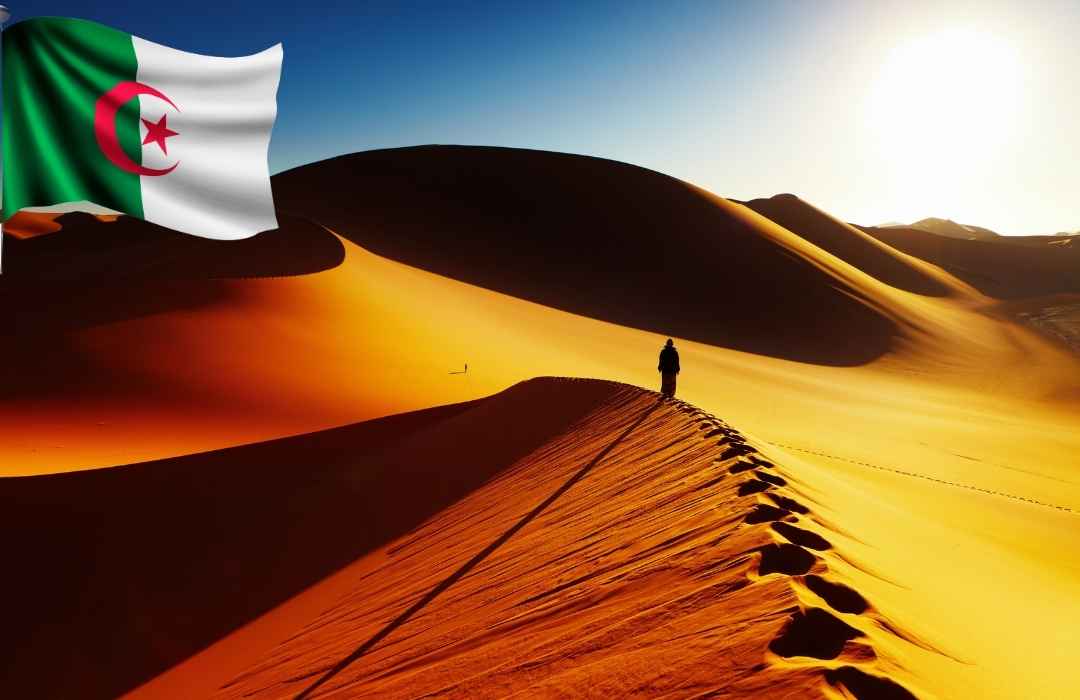
The Algeria Desert is one of the last truly wild travel experiences on Earth. Covering vast stretches of the Sahara, this remote landscape of towering dunes, ancient caravan routes, and silent stone plateaus offers a powerful sense of scale and solitude that few destinations can match. Traveling through the Algerian Sahara isn’t about ticking off attractions—it’s about slowing down, disconnecting, and experiencing the raw beauty of desert life.
From the golden dunes of the Grand Erg Oriental to the dramatic rock formations of Tassili n’Ajjer, the Algeria Desert reveals a side of North Africa that feels untouched by time. With the right planning and local guidance, exploring this desert becomes not only possible, but deeply rewarding for travelers seeking authentic adventure, cultural depth, and unforgettable landscapes.
Table of Contents
Inside the Algeria Desert Travel Guide: Sahara Dunes, Oases, and Timeless Journeys
Algeria is one of North Africa’s most compelling yet least explored destinations. At its heart lies the Algeria Desert, a vast stretch of the Sahara where towering dunes, ancient rock formations, and remote oases create an unforgettable sense of space and silence. This Algeria travel guide goes beyond the desert to reveal a country shaped by deep history, cultural diversity, and striking contrasts between past and present.
Why Algeria Belongs on Your Travel Bucket List
Few countries offer the range of experiences found across Algeria cities and landscapes. In the north, coastal cities blend Mediterranean energy with centuries of history, while the interior opens into one of the world’s most dramatic desert regions. Travelers can wander the narrow alleys of the Casbah of Algiers, a UNESCO World Heritage Site, before heading south into the Sahara for a completely different rhythm of life.
Algeria’s appeal lies in its authenticity. Markets feel local, traditions remain strong, and many regions still feel untouched by mass tourism. Whether you’re drawn by desert adventures, cultural exploration, or historic cities, Algeria delivers depth rather than spectacle.
A Brief Look at Algeria’s Geography and Culture
From the Mediterranean coastline to the heart of the Sahara, Algeria’s geography is vast and varied. The north is home to historic urban centers, mountain ranges, and fertile plains, while the south is dominated by the expansive Algeria Desert, covering most of the country’s landmass.
Culturally, Algeria reflects layers of Berber, Arab, Ottoman, and French influence. This blend is visible in architecture, cuisine, music, and daily life—especially in cities like Algiers, where modern neighborhoods exist alongside the historic Casbah. Understanding this balance between tradition and landscape is key to experiencing Algeria in a meaningful way. Here’s a quick look at Algeria’s geography and culture:
| Region | Geographical Features | Cultural Highlights |
|---|---|---|
| Sahara Desert | Vast dunes, oases | Tuareg culture, desert safaris |
| Hoggar Mountains | Rugged peaks, volcanic landscapes | Traditional Berber villages |
| Mediterranean Coast | Beautiful beaches, coastal cities | French influence, vibrant markets |
Algeria offers history, nature, and culture for all travelers. It will surely make a memorable impression.
Algeria Sahara Travel Guide: Best Time to Visit the Algeria Desert
Choosing the right time to visit Algeria plays a major role in how you experience the country—especially when traveling into the Algeria Desert. Weather conditions vary dramatically between the Mediterranean north and the Sahara in the south, making timing essential for comfort, safety, and overall enjoyment.
Best Seasons to Explore the Algeria Desert
The ideal time to visit the Algeria Desert is during spring (March to May) and autumn (September to November). During these months, daytime temperatures in the Sahara are more manageable, allowing travelers to explore sand dunes, rock formations, and desert oases without the intense heat of summer.
These seasons are also popular for guided desert tours, photography, and cultural experiences, as conditions are well suited for travel across remote regions of the Sahara.
Understanding Climate Differences Across Algeria
Algeria’s climate shifts significantly from north to south. Coastal and northern areas enjoy a Mediterranean climate with warm summers and cooler, wetter winters. In contrast, the Algeria Desert experiences extreme conditions, with scorching daytime temperatures in summer and cold nights throughout much of the year.
Because of these contrasts, travelers planning a Sahara journey should always consider seasonal temperatures, wind conditions, and tour availability. Visiting the desert during the right months ensures a safer, more comfortable, and far more rewarding experience.
| Region | Best Time to Visit | Weather Characteristics |
|---|---|---|
| Northern Algeria | Spring (March to May), Autumn (September to November) | Mild winters, warm summers |
| Sahara Desert | Winter (December to February) | Extreme heat during the day, cold at night |
| Highlands (Hoggar Mountains) | Summer (June to August) | Cooler temperatures, ideal for trekking |

Essential Algerie Travel Guide Information
Before you start your Algerian adventure, it’s key to know the essential travel info. This will make your trip smoother. Knowing about visa requirements, currency, and language is very helpful.
Visa Requirements and Application Process
To enter Algeria, you need a visa. The visa type depends on your nationality and visit purpose. Most travelers need a tourist visa, good for up to 90 days. Apply at an Algerian embassy or consulate in your country. Make sure your passport is valid for at least six months after you leave Algeria.
Currency Exchange and Budget Planning
The official currency in Algeria is the Algerian Dinar (DZD). While some places accept credit cards, cash is best, especially outside big cities. It’s smart to exchange some money before or when you arrive. A daily budget of $50-$100 per person can cover basic costs like accommodation, meals, and transport.
| Daily Expenses | Estimated Cost (USD) |
|---|---|
| Accommodation (per night) | $20-$50 |
| Meal (at a local restaurant) | $5-$10 |
| Public Transportation (single ride) | $0.50-$1 |
Language Tips and Communication Essentials
Arabic is the official language, but many speak French too. While some younger people might know English, it’s not common. Learning basic Arabic phrases can improve your trip. For complex talks, consider a local guide or translation service.

With these travel tips, you’ll be ready for your Algerian adventure. This will make your journey more enjoyable and stress-free.
Getting Around Algeria Safely and Efficiently
To explore Algeria’s vast territories, knowing how to get around is key. You can choose from several options based on your budget, time, and what you like.
Public Transportation Options
In Algeria, you can use buses and taxis for public transport. Buses are cheap and cover many cities. For trips between cities, try sonobus or ETUSA buses.
Taxis are great for short trips. Always agree on the fare before you go.
Domestic Flights and Railway Network
For longer trips or to save time, think about flying. Air Algérie flies within Algeria, linking major cities. Check their website for flights and to book.
The SNTF railway network is another good choice. It covers a lot of the country, making it good for both short and long trips.
Car Rental Tips and Road Safety Advice
Renting a car lets you explore Algeria on your own schedule. Companies like Europcar and Hertz have offices in big cities. Make sure you have a valid driver’s license and know the local traffic rules.
Driving safely is important. Watch out for aggressive drivers and bad road conditions. Always wear a seatbelt and avoid driving at night.

Top Cities and Ancient Wonders in Algeria
A Complete Algerie Travel Guide
Algeria is a country of remarkable contrasts, where ancient civilizations, Ottoman heritage, and modern urban life coexist. From vibrant coastal cities to breathtaking Roman ruins hidden in the desert, this Algerie travel guide explores the most important destinations for travelers seeking history, culture, and unforgettable landscapes.
Top Cities to Explore in Algeria
Algeria’s cities reflect centuries of cultural exchange influenced by Berber, Roman, Arab, Ottoman, and French civilizations. Each destination offers a unique perspective on the nation’s identity, making urban exploration an essential part of any Algerie travel guide.
Algiers: The White City’s Must-See Attractions
Algiers, the capital of Algeria, is often called “Al-Djazaïr” or “The White City” due to its whitewashed buildings cascading toward the Mediterranean Sea. It is the political, cultural, and economic heart of the country.
Highlights in Algiers
- The Casbah of Algiers (UNESCO World Heritage Site): A historic citadel with winding alleys, Ottoman palaces, and traditional homes.
- Notre Dame d’Afrique: An iconic basilica overlooking the sea, symbolizing religious coexistence.
- Great Mosque of Algiers (Djamaa El Djazair): One of the largest mosques in the world and a modern architectural landmark.
- Bardo National Museum: Showcasing archaeological artifacts from prehistoric to Islamic periods.
Algiers perfectly blends tradition and modernity, making it a cornerstone of any Algerie travel guide.
Constantine: The City of Bridges
Constantine is dramatically built atop deep gorges carved by the Rhumel River. Known as the City of Bridges, it offers some of the most striking urban scenery in North Africa.
Key Attractions
- Palace of Ahmed Bey: A masterpiece of Ottoman architecture reflecting Algeria’s 19th-century history.
- Suspension Bridges: Including Sidi M’Cid Bridge, offering panoramic views of the gorges.
- Cirta Museum: Preserving artifacts from Numidian, Roman, and Islamic periods.
“Constantine is a city of breathtaking natural beauty, where history and geography merge seamlessly.”
Oran: Cultural Highlights of the Western Gateway
Located on the Mediterranean coast, Oran is Algeria’s second-largest city and a major cultural hub. It is known for its lively atmosphere, music heritage, and Spanish-Ottoman influences.
Things to Do in Oran
- Fort Santa Cruz: A historic fortress with sweeping views over Oran and the sea.
- Oran Medina: A lively district filled with markets, cafés, and traditional architecture.
- Museum of Modern Art (MAMO): Featuring contemporary Algerian and African art.
Oran’s vibrant energy makes it a must-visit destination in this Algerie travel guide.
Ancient Cities and Archaeological Wonders in Algeria
Algeria is home to some of the best-preserved Roman ruins in the world. These ancient cities reveal the scale and sophistication of Roman urban planning in North Africa.
Timgad: UNESCO Roman Ruins in the Desert
Timgad, founded in the 1st century AD by Emperor Trajan, is one of Algeria’s most impressive archaeological sites. Located on the edge of the Sahara, it is often called the “Pompeii of Africa.”
Highlights of Timgad
- The Forum: The civic center surrounded by temples and public buildings.
- Roman Theater: Once seating thousands of spectators.
- Basilica and Library: Reflecting the intellectual and religious life of the city.
The grid-like layout of Timgad showcases advanced Roman urban planning, making it a highlight of any Algerie travel guide focused on history.
Djémila: The Beautiful Roman City
Djémila, meaning “the beautiful” in Arabic, lives up to its name. Perched on a mountainous plateau, it offers stunning views alongside remarkably preserved Roman structures.
Key Sites in Djémila
- The Arch of Caracalla
- The Great Baths
- Temples, basilicas, and paved streets
Djémila’s unique adaptation to mountainous terrain sets it apart from other Roman cities in Algeria.
Tipaza: Mediterranean Roman Heritage
Tipaza was once a thriving Roman port city along the Mediterranean coast. Today, its ruins stretch along the shoreline, creating a rare blend of archaeology and sea views.
What to See in Tipaza
- Roman Amphitheater
- Basilica and Forum
- Early Christian cemeteries
Tipaza is ideal for travelers combining coastal relaxation with cultural discovery, a perfect inclusion in this Algerie travel guide.

| Ancient City | Location | Notable Features |
|---|---|---|
| Timgad | Sahara Desert | Roman ruins, forum, basilica, theater |
| Djémila | Hilltop site | Roman architecture, scenic views |
| Tipaza | Coastal area | Roman port, amphitheater, forum |
These ancient cities in Algeria are a must-see for history, architecture, and culture lovers. Each site gives a unique look into Algeria’s past and its role in the ancient world.
Sahara Desert Adventures in Algeria
Is the Algeria Desert Safe to Visit?
Yes, the Algeria Desert can be safe to visit when traveled responsibly and with proper planning. Most desert journeys are organized through licensed local tour operators who understand the terrain, weather conditions, and regional regulations. These guided experiences are the standard way travelers explore the Sahara in Algeria, and they significantly reduce risk while adding cultural depth to the journey.
Popular desert regions such as Tassili n’Ajjer, Djanet, and parts of the Ahaggar Mountains are considered stable and are regularly visited by both domestic and international travelers. Access to these areas is typically coordinated with local authorities, and routes are chosen based on current conditions and safety considerations.
That said, independent travel deep into the Sahara is not recommended. The desert environment is extreme, distances are vast, and navigation requires expert knowledge. Traveling with experienced guides ensures access to reliable vehicles, communication equipment, and emergency support if needed.
For most visitors, safety in the Algeria Desert comes down to preparation: choosing reputable operators, following local advice, and respecting the environment. When approached this way, the Algerian Sahara is not only safe—but one of the most immersive and meaningful desert experiences in North Africa.
Tassili n’Ajjer National Park: Rock Art and Landscapes
Tassili n’Ajjer National Park is a UNESCO World Heritage Site. It’s known for its ancient rock art and stunning views. The park has over 15,000 rock engravings, showing us what life was like long ago.

Hoggar Mountains and Assekrem Sunrise Experience
The Hoggar Mountains, also called the Ahaggar Mountains, are in southern Algeria. Here, you can see the Assekrem sunrise. It’s a beautiful sight where the sky turns red and orange.
Desert Tours, Camel Treks, and Overnight Camps
Desert tours offer many experiences. You can go on camel treks or stay in traditional camps. You’ll get to explore the desert’s vast expanses, try local food, and see the stars at night.
| Tour Type | Duration | Highlights |
|---|---|---|
| Camel Trek | 3 Days | Crossing vast dunes, visiting oases |
| Desert Safari | 2 Days | Exploring rocky plateaus, sandboarding |
| Overnight Camp | 1 Night | Stargazing, traditional cuisine |
Whether you’re trekking or relaxing in a camp, the Sahara Desert in Algeria is an adventure you’ll never forget.
Cultural Experiences and Algerian Traditions
When you visit Algeria, you dive into a world full of traditions. The country’s culture is a mix of Arab, Berber, and Mediterranean styles.

Authentic Algerian Cuisine and Food Experiences
Algerian food shows off the country’s diverse culture. Try Couscous, a dish made from semolina flour, and Chakchouka, a spicy vegetable stew. Sharing a meal with locals is a great way to feel Algerian hospitality.
Traditional Crafts, Markets, and Souvenir Shopping
Algeria is famous for its crafts, like handicrafts and textiles. Local markets, or souks, are lively places to find unique items. Look for handmade jewelry, pottery, and carpets that show the country’s rich craft history.
Local Festivals and Cultural Celebrations
Algeria has many festivals all year round. The Tlemcen International Festival of Music and the Algiers International Film Festival are highlights. These events let you see Algerian traditions and modern culture up close.
Exploring Algerian culture helps you understand the country’s history and people. Through food, crafts, and festivals, your time in Algeria will be memorable.
Where to Stay: Accommodation Options in Algeria
Algeria has many places to stay, from luxury hotels to desert camps. You can also find mid-range hotels. There’s something for everyone.
Luxury Hotels and Resorts in Major Cities
Looking for luxury? Algiers and Oran have top hotels and resorts. They offer great amenities like fine dining and spas. Check out the Sheraton Oran Hotel and the Grand Hotel Cirta in Constantine.
Mid-range and Budget-Friendly Accommodations
Need something affordable? Algeria has many mid-range and budget options. You can find simple guesthouses to comfortable hotels. Algiers and Oran have lots of choices, all easy to get to by public transport.
Unique Stays: Desert Camps and Traditional Guesthouses
Want a unique stay? Try a desert camp or a traditional guesthouse. Desert camps let you sleep under the stars and go on camel treks. Traditional guesthouses show you local culture and hospitality.

Think about what you want from your trip to Algeria. Do you want luxury, culture, or adventure? Algeria has the perfect place for you.
Photography Opportunities and Hidden Gems
Algeria is full of amazing photography spots, from the Sahara Desert to ancient ruins. As you travel through this North African country, you’ll see many different landscapes and cultural sights. These are sure to excite any photographer.
Best Viewpoints and Scenic Landscapes
Algeria’s geography is varied, offering many stunning views and landscapes. The Hoggar Mountains are perfect for sunrise or sunset photos. Their rugged peaks and valleys go on forever.
Off-the-Beaten-Path Destinations
Explore beyond the usual tourist spots to find Algeria’s hidden treasures. Timimoun, with its red mud buildings and palm trees, is a photographer’s dream. Ghardaïa, a UNESCO World Heritage Site, also offers many photo opportunities with its unique architecture.
Photography Tips for Desert and Ancient Sites
For desert photos, the golden hour is best for soft, warm light. At ancient sites, focus on textures and details. Try different angles and compositions to show the history and beauty of these places.
| Location | Best Time to Visit | Photography Tips |
|---|---|---|
| Hoggar Mountains | Early morning or late afternoon | Capture sunrise or sunset for dramatic skies |
| Timimoun | Anytime, but avoid midday sun | Focus on the red mud architecture and palm groves |
| Ghardaïa | Morning or late afternoon | Highlight the unique M’zabite architecture and city layout |
Exploring Algeria’s landscapes and culture lets you take amazing photos. You’ll also learn to love this fascinating country even more.
Why Algeria Deserves a Place on Your Travel List
From historic cities to vast desert landscapes, Algeria offers authentic experiences away from mass tourism. This Algerie travel guide highlights a country rich in heritage, architectural wonders, and cultural diversity—waiting to be explored by curious travelers.
For travelers seeking more than movement : Life-Changing Adventure Travel Beyond the Ordinary
Conclusion: Planning Your Perfect Algeria Adventure
Planning your trip to Algeria means you’re ready for a journey filled with stunning views, rich history, and lively culture. You’ll see everything from the vast Sahara Desert to ancient cities and beautiful coastal towns. Algeria has so much to offer, making your trip unforgettable.
This travel guide gives you all the key info to explore Algeria’s attractions, culture, and travel tips. You can visit places like Timgad’s Roman ruins, Tassili n’Ajjer’s rock art, or Algiers’ markets. Your Algerian adventure is just around the corner.
Before you go, think about the best time to visit, how to travel around, and where to stay. With some planning, you’ll dive into Algeria’s warm welcome, enjoy local food, and find its hidden treasures.
FAQ
What is the best time to visit Algeria?
The best times to visit Algeria are spring (March to May) and autumn (September to November). The weather is mild and perfect for exploring the Sahara Desert and ancient cities.
Do I need a visa to travel to Algeria?
Yes, most travelers need a visa to enter Algeria. The application process and requirements depend on your nationality. Always check with the Algerian embassy or consulate in your home country for the latest info.
What are the must-visit attractions in Algiers?
Algiers, known as the White City, has many attractions. You can visit the Casbah, Notre Dame d’Afrique, and the Grand Mosque. Don’t miss the city’s vibrant markets, museums, and historic landmarks.
Is it safe to travel to the Sahara Desert in Algeria?
The Sahara Desert can be challenging, but many tours are safe and fun. Choose a reputable tour operator and follow their advice for a great experience.
What is the local currency in Algeria, and can I use credit cards?
The local currency is the Algerian dinar (DZD). While some places accept credit cards, it’s mostly a cash economy. Carry local currency for small purchases and incidentals.
What are some essential items to pack for a trip to Algeria?
Pack comfortable clothes, sunscreen, a hat, and sunglasses for sun protection. Don’t forget a power adapter, as Algeria’s outlets and voltage may differ from yours.
Can I stay in traditional desert camps or guesthouses in Algeria?
Yes, Algeria has unique places to stay like traditional desert camps and guesthouses. They offer a chance to experience local culture and enjoy the Sahara’s beauty.
Are there any specific health and vaccination requirements for traveling to Algeria?
Before going to Algeria, talk to your doctor or a travel clinic about needed vaccinations and medications. You might need shots for diseases like hepatitis A and typhoid fever.
Want to Share Your Experience?
Have you traveled using one of our guides or found inspiration here?
👉 Share your experience in the comments or send us your story
Your insights help other travelers plan more thoughtful, rewarding journeys.
Latest Reviews
There are no reviews yet. Be the first one to write one.