Solo Travel Oslo Norway: The Complete Guide for Independent Travelers + Free Solo Travel Safety Checklist
Solo Elite Trip · elitetrip.de Last update 2026
TL;DR: Oslo is one of the most solo-travel-friendly capitals in Europe — genuinely safe at any hour, compact enough to walk most of it, English-spoken everywhere, and structured around public transport that actually works. It is expensive. That is the honest caveat. But for solo travelers who budget smartly — eating at Mathallen food hall, using the Oslo Pass, taking the metro to free viewpoints — it delivers Nordic culture, fjord access, world-class museums, and a cityscape unlike anywhere else in Europe. Three to four days is the sweet spot. Go in June for the midnight sun. Go in January for the snow and absolute quiet.
Table of Contents – Solo Travel Oslo Norway
Why Oslo Works So Well for Solo Travelers
Some cities tolerate solo travelers. Oslo is built for them.
Oslo ranks among the world’s safest cities for solo travelers, with exceptionally low crime rates. Street harassment remains rare, and locals report feeling safe walking alone at any hour. Public transportation operates safely around the clock.
Beyond safety, Oslo’s social culture is uniquely suited to the solo traveler’s temperament. The city’s reserved but polite culture suits independent travelers well. Locals respect personal space and privacy, creating a comfortable environment for those exploring alone without feeling isolated or pressured into unwanted social interactions.
This matters more than it sounds. In some cities, eating alone draws attention. In Oslo, it draws nothing — because Norwegians are fundamentally respectful of how other people choose to spend their time. You can sit at a café in Grünerløkka for two hours with a book and feel entirely comfortable. You can wander Vigeland Sculpture Park for an afternoon with no one to report back to. That quality of ease is what makes Oslo genuinely excellent for solo travel rather than merely manageable.
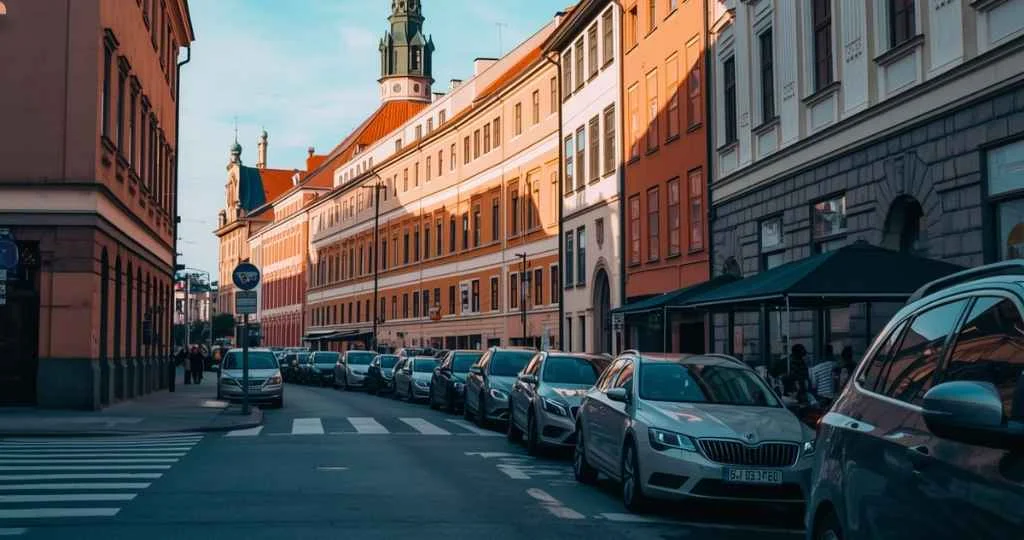
The practical case is equally strong. Oslo’s compact city centre puts major attractions within walking distance of each other. You can wander from the Opera House to Akershus Fortress in under 20 minutes. English proficiency among locals runs high, eliminating language barriers that often challenge solo travelers in other European capitals.
Solo Travel Oslo: Which Type of Solo Traveler Is This For?
Oslo does not suit every solo travel style equally. Knowing which type you are saves both money and disappointment.
| Solo Traveler Type | Oslo Rating | Why |
|---|---|---|
| Culture & museum lovers | ⭐⭐⭐⭐⭐ | World-class Munch Museum, Viking Ship Museum, Folk Museum |
| Nature & outdoor seekers | ⭐⭐⭐⭐⭐ | Fjord islands, Nordmarka forest, winter skiing minutes from centre |
| Architecture & design obsessives | ⭐⭐⭐⭐⭐ | Opera House, Barcode District, Aker Brygge waterfront |
| Budget backpackers | ⭐⭐ | Norway is genuinely expensive — requires careful management |
| Nightlife seekers | ⭐⭐⭐ | Good scene in Grünerløkka, but alcohol costs are very high |
| Food culture travelers | ⭐⭐⭐⭐ | Strong food scene, particularly at Mathallen and local markets |
| First-time solo travelers | ⭐⭐⭐⭐⭐ | Safety, English proficiency, and clear infrastructure make it ideal |
Oslo attracts the museum lover and the nature solo traveler. It isn’t a budget destination so it doesn’t attract those wanting to party. If you’re looking for a laid-back city with history and nature, Oslo is a great destination.
Getting to Oslo: Flights and Arrival for Solo Travelers
Oslo is served by Oslo Airport Gardermoen (OSL), located approximately 50 kilometres north of the city centre. For solo travelers, the arrival logistics are among the smoothest in Europe.
From the airport to the city:
| Option | Journey Time | Cost (approx.) | Best For |
|---|---|---|---|
| Flytoget express train | 19–22 minutes | NOK 230 (~€20) | Fastest, most reliable |
| Vy regional train | 22–30 minutes | NOK 115 (~€10) | Budget option, same journey |
| Airport bus (Flybussen) | 40–50 minutes | NOK 199 (~€17) | Alternative if trains are delayed |
| Taxi | 45–60 minutes | NOK 700–1000 (~€60–85) | Avoid unless travelling very late with luggage |
Pro Tip: Buy your Flytoget or Vy ticket on the app before landing. The ticket machines at Gardermoen work, but the app is faster and you can use it offline once downloaded. For the Vy regional train specifically, the Ruter app covers the Oslo zones at the other end — one app effectively covers your entire city transport.
Finding cheap flights: Use Google Flights with flexible date search to identify the cheapest travel windows. Visiting in June means music festivals and the midnight sun — Oslo feels like one big party. But June also means peak prices. January and February offer the lowest airfares and the most atmospheric winter experience, with the trade-off of very short daylight hours (around 6–7 hours of light per day).
The Oslo Norwegian Cityscape: Best Solo Oslo cityscape Viewpoints
Oslo’s skyline is not vertical — it is horizontal. The city spreads between the Oslofjord and forested hills, and its best views are about layers: water, architecture, and nature in the same frame. For solo travelers, these viewpoints are also free or low-cost, making them ideal independent stops.
Oslo Opera House — The Most Accessible Rooftop in Europe
Walk directly onto the sloping white marble roof of the Oslo Opera House (Kirsten Flagstads Plass 1, Bjørvika). No ticket required. No queue. The roof is a public space that angles down to the waterfront, and from the top you see the fjord, the floating saunas of Sørenga, and the Barcode District’s geometric skyline.
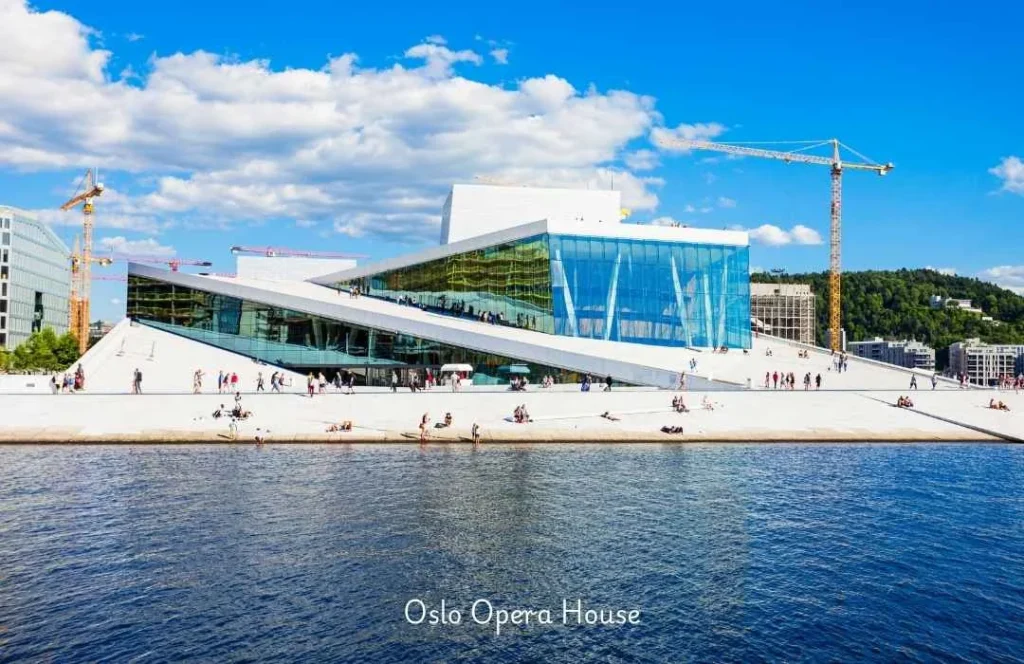
Pro Tip: Watch the mist lift over the Oslo Opera House at sunrise — walk up on the roof for photos before anyone else arrives. By 9am in summer, it fills with other visitors. At 6am, it is entirely yours.
Ekeberg Park — Oslo’s Most Underrated Solo Viewpoint
Ekebergparken (Kongsveien 23) sits on a hillside southeast of the city centre, combining a sculpture park with one of the best panoramic views of Oslo available from ground level. Ekeberg Park gives epic fjord views and is the spot that inspired “The Scream” painting. Take tram 18 or 19 directly to the park — the journey itself traces the waterfront and gives you preliminary views before you even arrive.
Solo traveler advantage: the park is large, rarely crowded outside summer weekends, and entirely free. You can spend two hours walking between sculptures and viewpoints with no itinerary pressure whatsoever.
Holmenkollen Ski Jump — Altitude and Perspective
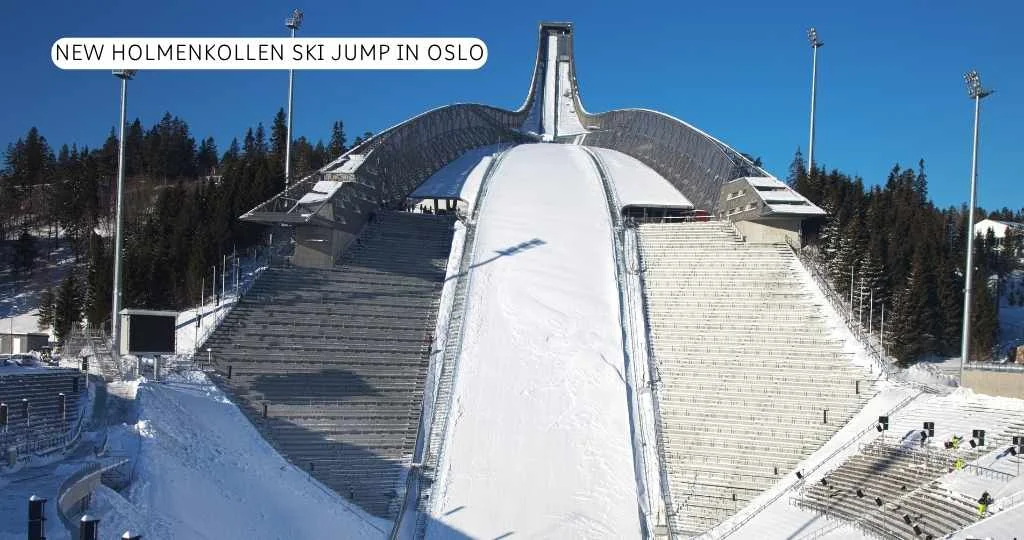
The Holmenkollen Ski Jump (Kongeveien 5) sits at 417 metres above sea level in the hills north of Oslo, accessible by metro Line 1 from the city centre in around 30 minutes. The view from the observation platform at the top of the jump covers the entire Oslo basin — fjord, islands, city, and forested hills in a single panoramic sweep.
Pro Tip: Skip the pricey Holmenkollen ski jump tower tickets — go for a hike instead. The surrounding Nordmarka forest has marked trails from the Holmenkollen metro station that give you elevated views without the admission cost. In winter, these trails are cross-country ski routes used daily by Oslo residents.
Akershus Fortress — History Meets Waterfront
Akershus Fortress (Akershus Festning) occupies a promontory above the harbour and has been Oslo’s defensive anchor since the 13th century. Entry to the grounds is free. The view from the fortress walls combines medieval stone with modern waterfront development directly below — the architectural contrast is the point, and it photographs exceptionally well in late afternoon light.
Things to Do in Oslo Alone: A Genuinely Solo-First List
Mathallen Oslo — The Best Solo Meal in the City
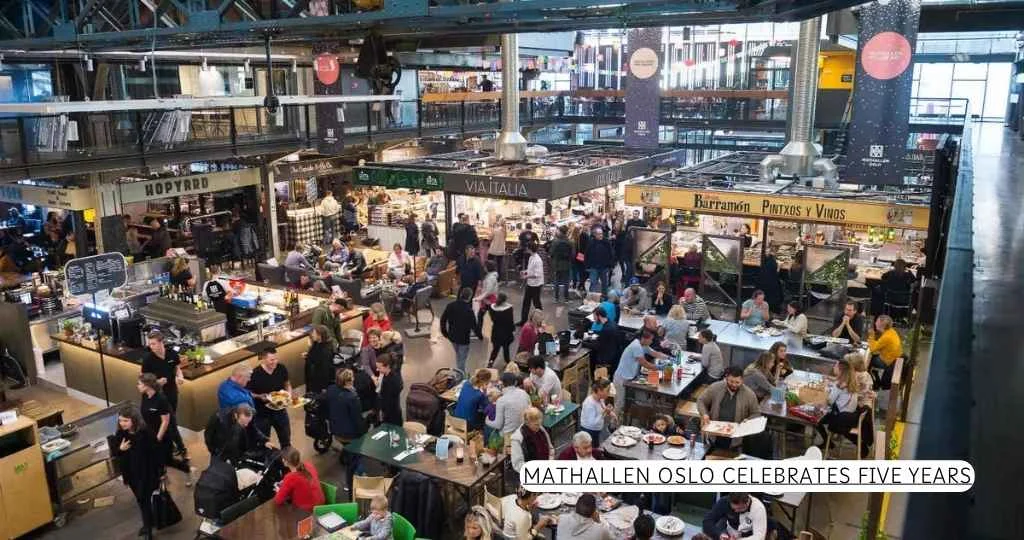
Mathallen Oslo (Vulkan 5, Grünerløkka) is a covered food hall in the Vulkan district housing around 30 vendors selling Nordic and international food. For solo travelers, it solves the table-for-one problem elegantly — long communal benches, no reservation required, and enough variety that you can eat three different things from three different stalls without anyone finding it unusual. Mathallen Oslo is a bustling food hall offering a range of Nordic and international delicacies.
What to order specifically: Smoked salmon on rye from the fish counter, brown cheese (brunost) on fresh bread from the dairy stall, and a coffee from one of the specialty roasters inside. This is not tourist food — it is what Oslo residents eat for lunch on a weekday.
Grünerløkka — Oslo’s Best Solo Neighbourhood
Grünerløkka is Oslo’s Brooklyn — indie stores, street art, and chill cafes. For solo travelers, it delivers the specific pleasure of a neighbourhood that rewards walking without a plan. Markveien is the main street; Thorvald Meyers gate runs parallel and has the better bars.
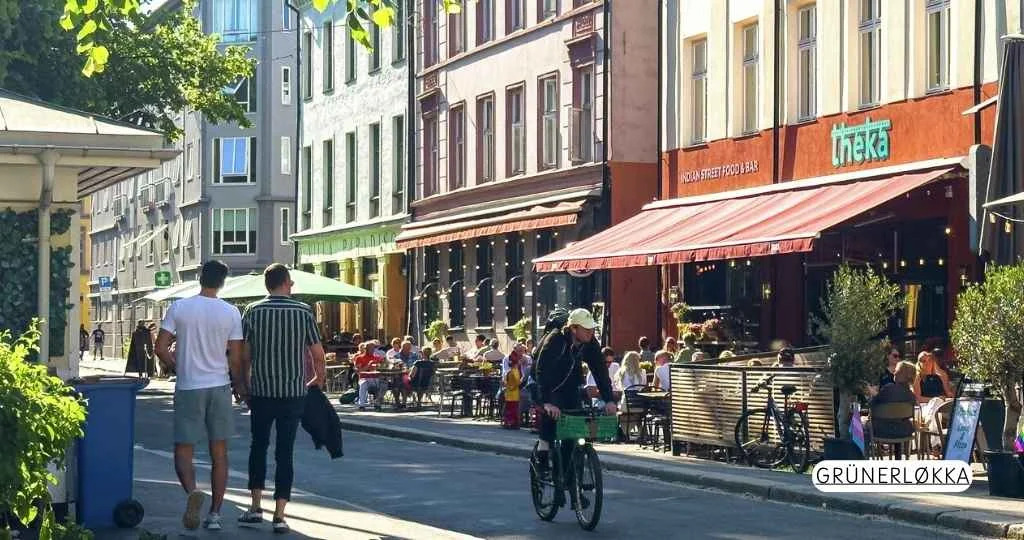
Specific stops:
- Tim Wendelboe (Grüners gate 1) — not just famous in Norway, it’s famous across the globe. Offering craft coffee in a truly independent environment. Solo travelers can sit at the bar and watch the baristas work. Conversation happens naturally.
- Bar Boca (Thorvald Meyers gate 30) — tiny, vintage, and packed with character. Try a local aquavit. Order at the bar as a solo traveler and you are immediately part of the space.
- Haralds Vaffel (Herslebs Gate 2) — waffles served in a cool, casual format. The ideal €5 solo afternoon stop.
Bygdøy Peninsula — A Full Solo Day Without Planning
Bygdøy is a peninsula west of the city centre accessible by a 10-minute ferry from Aker Brygge (using your standard Ruter ticket). It concentrates four world-class museums within walking distance of each other, plus beaches and hiking paths. Solo travelers can structure a full day here without pre-planning a single detail.
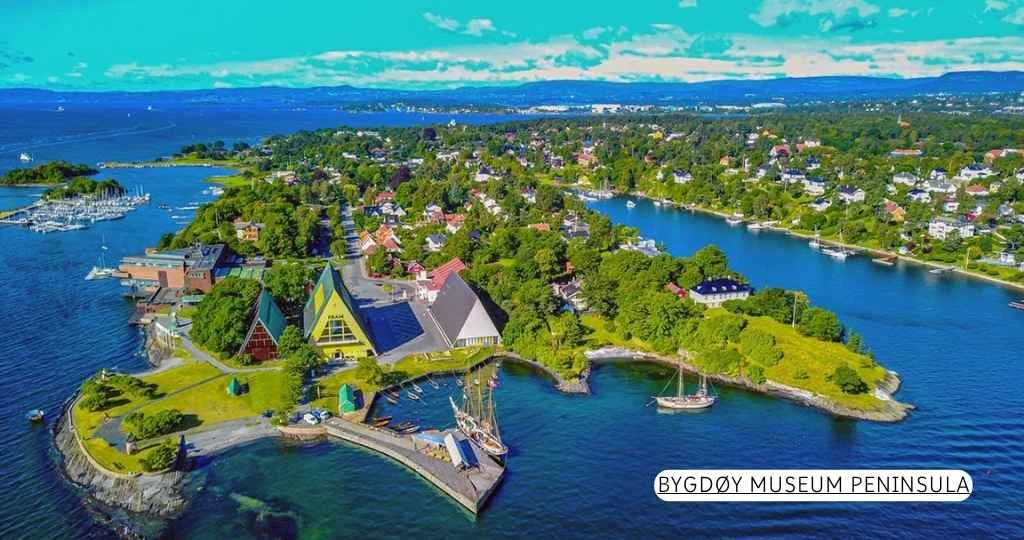
The museum sequence that works:
- Fram Museum — the actual polar exploration ship Fram, the furthest-north vessel in history, displayed inside a custom building. Solo travelers can explore the ship used in the greatest polar expeditions and learn about Norway’s polar explorers and their daring adventures. Budget 90 minutes.
- Viking Ship Museum — currently being expanded into the new Viking Age Museum, housing three original Viking ships from the 9th century. Budget 60–90 minutes.
- Norsk Folkemuseum — an open-air museum with over 150 historic buildings relocated from across Norway, including stave churches and 19th-century farm complexes. You can spend hours wandering through traditional homes and immersing yourself in Norway’s past at your own pace.
Pro Tip: The ferry from Aker Brygge to Bygdøy uses the same Ruter ticket as the tram and metro. Do not pay separately — it is the same transport system.
Oslofjord Island Hopping — Solo Travel at Its Best
Solo travelers seeking a peaceful adventure can embark on an island-hopping trip across the Oslofjord. You can buy tickets with the Ruter app, using the same ticket as for all public city transport. Ferries run between various islands, each with its own charm.
Specific islands worth your time:
- Hovedøya — 15 minutes from Aker Brygge pier, with medieval monastery ruins, a small beach, and walking trails through forest. The monastery dates from 1147 and sits on a hillside overlooking the fjord. Free after the ferry.
- Gressholmen — quieter than Hovedøya, connected by a land bridge to Rambergøya at low tide. The combination of these two islands gives you an afternoon of coastal walking that feels genuinely remote despite being 20 minutes from downtown Oslo.
Vigeland Sculpture Park — Free and Unmissable
Vigeland Sculpture Park in Frogner Park (Kirkeveien 40) is the world’s largest sculpture installation made by a single artist — 212 sculptures by Gustav Vigeland covering birth, life, death, and everything between. Entry is permanently free. The park is open 24 hours.
For solo travelers, Vigeland works at any time of day and any season. In summer, locals picnic here in the evening. In winter with snow, the monolith at the centre of the park takes on a quality that no other season replicates. Sofienbergparken nearby is a locals’ favourite for chill afternoons and people-watching — a quieter alternative when Vigeland is busy.
Oslo Solo Travel Safety: The Honest Picture – Solo female travel Oslo
Safety tops every solo traveler’s priority list, and Oslo delivers exceptional peace of mind. The city maintains very low crime rates across all categories. Street harassment remains rare, and public transportation operates safely around the clock.
Norway consistently ranks in the top tier of the Global Peace Index (produced annually by the Institute for Economics and Peace at visionofhumanity.org), which measures societal safety, security, and conflict. It is one of the safest countries in the world by any metric that matters to travelers.
Practical safety notes for solo travelers:
- The Grønland and Storgata areas near Oslo Central Station have a higher concentration of street activity than other neighbourhoods. Not dangerous, but worth standard urban awareness — keep your bag in front, be alert at night.
- Nightlife areas in Grünerløkka and around Youngstorget are active and social on weekends. Oslo is very safe — just watch your belongings in nightlife zones.
- You can walk around freely at night without worrying about safety.This is one of very few European capitals where that statement is essentially true at any hour.
For solo female travelers specifically: Oslo is consistently rated among the most comfortable cities in Europe for solo female travel. The cultural norm of respecting personal space means unwanted attention is genuinely rare.
Oslo Budget Solo Trip: What Things Actually Cost
Oslo is expensive. This is not a cliché — it is accurate and worth financial planning before you arrive. The Norwegian krone (NOK) fluctuates, but as a working reference: 1 EUR ≈ 11–12 NOK, 1 USD ≈ 10–11 NOK.
| Category | Budget Option | Mid-Range | Notes |
|---|---|---|---|
| Accommodation/night | NOK 300–500 (hostel dorm) | NOK 900–1,500 (hotel) | Book early — Oslo beds sell out |
| Coffee | NOK 50–70 | NOK 70–90 | Specialty coffee at Tim Wendelboe ~NOK 70 |
| Lunch | NOK 100–160 (Mathallen/Vippa) | NOK 180–300 (restaurant) | Vippa food court: street food NOK 70–140 per meal |
| Dinner | NOK 200–350 (local restaurant) | NOK 400–700 (mid-fine dining) | Pre-booking saves money at popular spots |
| Beer in a bar | NOK 90–130 | — | Oslo’s biggest solo travel expense for drinkers |
| Metro/tram single | NOK 40 | — | 24hr pass NOK 124, covers all Ruter transport |
| Oslo Pass (24hr) | NOK 595 | — | Covers 30+ museums + all transport |
The Oslo Pass calculation for solo travelers:
If you plan to visit the Munch Museum (NOK 180), Fram Museum (NOK 145), Viking Ship Museum (NOK 145), and use public transport for 2 days (NOK 248 total) — that is NOK 718 before the ferry to Bygdøy. The 48-hour Oslo Pass at NOK 870 covers all of this plus unlimited transport. For solo travelers doing three or more paid museums in two days, it pays for itself.
Pro Tip: Oslo supermarkets — Kiwi, Rema 1000, and Coop — are where Oslo residents actually shop. A full self-catered lunch from any of these costs NOK 60–100. This is not a compromise for budget travelers — it is how most Norwegians eat on a workday.
Norwegian Culture: What Solo Travelers Need to Know
Understanding Norwegian social culture before you arrive changes how you interact with the city.
The Jante Law (Janteloven): Norwegian society has a cultural concept of not placing yourself above others — no boasting, no performance, no loud self-promotion. This produces a social environment that feels reserved to outsiders but is not cold. Norwegians simply do not perform warmth — they offer it quietly and specifically when it is genuine. Solo travelers who approach this with patience rather than frustration find Norwegians among the most honest and helpful people they encounter.
Punctuality: Everything in Oslo runs on time — trains, museums, restaurant reservations, tour departures. Arriving even five minutes late to a booked experience is noticed. Build buffer into your itinerary.
Outdoors culture (Friluftsliv): Norwegians have a concept — friluftsliv (free-air life) — that describes the national commitment to spending time outdoors in all weather and all seasons. This is not exercise-culture. It is a philosophical position. Solo travelers who adopt it — walking the Nordmarka trails in light rain, sitting by the fjord in October — access an aspect of Oslo that tourist itineraries consistently miss.
Tipping: Service charge is included in Norwegian restaurant bills. Tipping is not expected. Rounding up the bill or leaving 10% for exceptional service is generous and appreciated but never required.
Solo Itinerary: 3–4 Days in Oslo
Day 1 — Arrive, Orient, Waterfront
| Time | Activity | Specific Detail |
|---|---|---|
| Morning | Arrive Gardermoen, Flytoget to city | 19 minutes, NOK 230 |
| Late morning | Oslo Opera House rooftop | Free, walk from Central Station |
| Lunch | Vippa food court (Akershus Brygge) | NOK 70–140, waterfront setting |
| Afternoon | Akershus Fortress grounds | Free entry, 45–60 min walk |
| Evening | Aker Brygge harbour walk | People-watching, no cost |
| Dinner | Mathallen Oslo food hall | NOK 150–250, communal seating |
Day 2 — Bygdøy Museums + Fjord Ferry
| Time | Activity | Specific Detail |
|---|---|---|
| Morning | Ferry from Aker Brygge to Bygdøy | Same Ruter ticket |
| Late morning | Fram Museum | NOK 145, ~90 min |
| Lunch | Pack lunch from Kiwi supermarket | NOK 60–80 |
| Afternoon | Norsk Folkemuseum | NOK 200, allow 2–3 hrs |
| Late afternoon | Ferry to Hovedøya island | Same Ruter ticket, monastery ruins |
| Evening | Return to city, dinner in Grønland | Oslo’s most affordable restaurant district |
Day 3 — Grünerløkka + Munch Museum
| Time | Activity | Specific Detail |
|---|---|---|
| Morning | Coffee at Tim Wendelboe | Grüners gate 1, NOK 70 |
| Late morning | Grünerløkka neighbourhood walk | Markveien, street art, independent shops |
| Lunch | Bar in Grünerløkka or Mathallen | Budget NOK 120–180 |
| Afternoon | MUNCH Museum | NOK 180, world’s largest Munch collection |
| Late afternoon | Ekeberg Park for fjord views | Tram 18/19, free |
| Evening | Sunset from Opera House roof | Free, ideal for solo photography |
Day 4 (Optional) — Nature + Holmenkollen
| Time | Activity | Specific Detail |
|---|---|---|
| Morning | Metro Line 1 to Holmenkollen | NOK 40 single |
| Late morning | Nordmarka forest trail walk | Free, marked trails |
| Lunch | Bring packed lunch | No facilities on trails |
| Afternoon | Vigeland Sculpture Park | Free, Frogner Park |
| Evening | Bar Boca in Grünerløkka | Aquavit, local crowd, NOK 100–150/drink |
Best Time to Visit Oslo Solo
| Season | Conditions | Solo Traveler Rating | Key Consideration |
|---|---|---|---|
| June–July | Midnight sun, 18–19hr daylight, 20–25°C | ⭐⭐⭐⭐⭐ | Peak prices, book early |
| August | Long days still, slightly quieter | ⭐⭐⭐⭐⭐ | Best balance of summer + manageable crowds |
| September–October | Autumn colours, 12–16°C, lower prices | ⭐⭐⭐⭐ | Excellent shoulder season |
| December–January | Snow, Christmas markets, 6–7hr daylight, -5 to -10°C | ⭐⭐⭐⭐ | Beautiful atmosphere, lowest prices |
| February–March | Snow, longer days returning, skiing | ⭐⭐⭐⭐ | Best for Nordmarka winter activities |
| April–May | Parks blooming, 10–18°C | ⭐⭐⭐ | Variable weather but great value |
The solo traveler’s best Oslo timing: June for social energy and maximum daylight. January for total quiet, snow, and the lowest prices of the year. Both are distinct and valid experiences of the same city.
FAQ – Oslo Solo Travel
Is Oslo safe for solo female travelers?
Oslo maintains exceptionally low crime rates. Street harassment remains rare, and locals report feeling safe walking alone at any hour. It is consistently rated among Europe’s safest cities for solo female travel oslo by every major safety index. The cultural norm of respecting personal space means the experience of navigating Oslo alone as a woman is genuinely low-friction.
Do I need the Oslo Pass as a solo traveler?
If you plan to visit three or more paid museums in 48 hours, yes — it saves money and removes the friction of buying individual tickets. If you plan mostly free activities (Vigeland, Opera House roof, neighbourhood walks, Ekeberg Park), use individual Ruter tickets instead.
What is the cheapest way to eat solo in Oslo?
Vippa food court offers street food from every continent for NOK 70–140 per meal. Mathallen is slightly more, but communal seating makes it the most socially comfortable solo dining option in the city. Supermarkets (Kiwi, Rema 1000) are where budget solo travelers make up the difference between Norway’s food costs and their daily budget.
Can I make friends easily as a solo traveler in Oslo?
Norwegians are reserved with strangers — cold introductions do not happen. But in the right contexts — at Mathallen’s communal tables, on guided kayak tours, at Tim Wendelboe’s coffee bar, in hostel common rooms — conversation starts naturally. Take a free walking tour when you arrive — you’ll get Oslo’s best stories straight from a local and meet other travelers in the process.
Is Oslo worth visiting as a solo traveler despite the cost?
Yes, if you plan the budget honestly and use the free infrastructure intelligently. The combination of genuine safety, world-class museums, extraordinary fjord access, and a cityscape that no other European capital replicates makes Oslo worth the premium — particularly for solo travelers who value quality of experience over quantity of destinations per trip.
How do I get a SIM card in Oslo?
Pick up a SIM card at Oslo Airport from either Telia or Telenor. Telenor is the market leader, but Telia has better flexibility for short-term visitors. Prepaid starter packs are available immediately after landing before you reach the train platform.
The Solo Traveler’s Honest Final Word on Oslo
Oslo does not perform for you. That is its best quality.
The city goes about its business — quietly, efficiently, and with a relationship to the natural world that you feel within hours of arriving. The fjord is not a backdrop. The forests are not decoration. The Norwegians walking their dogs on the Nordmarka trails in October rain are not doing it for anyone’s benefit but their own.
As a solo traveler, you get to participate in that rather than observe it. Walk the Opera House roof before anyone else gets there. Take the metro to Holmenkollen and hike down through the forest with the city appearing below you through the trees. Sit at the Tim Wendelboe bar with a coffee and watch Oslo’s morning happen without needing to explain yourself to anyone.
That self-contained quality is what makes Oslo exceptional for solo travel. It gives you the city on the city’s own terms — and the city’s terms are very good.
Solo Elite Trip · elitetrip.de Written exclusively for independent solo travelers.
🧳 Get Your Free Solo Travel Safety Checklist — the exact step-by-step guide smart solo travelers use to stay safe, confident, and fully prepared on their first trip. Download it now and travel with peace of mind.
You’ll also love:
- Safest Art Cities in Europe for Solo Female Travelers Who Love Art
- 6 Epic and Safe Destinations Solo travel for women
- 15 Safety Solo Travel Tips for Female Travelers in the US
- Top Pretty Destinations in Europe
- 35 Good Vacation Places to Add to Your Traveling Bucket List (By Travel Style, Season & Budget)
- Best Street Art Cities Europe Solo Travelers
- Solo Spring Break Travel: 7 Destinations Where Smart Travelers Are Actually Going in 2026
Want to Share Your Experience?
Have you traveled using one of our guides or found inspiration here?
👉 Share your experience in the comments or send us your story
Your insights help other travelers plan more thoughtful, rewarding journeys.
Latest Reviews
There are no reviews yet. Be the first one to write one.