Understanding Iran’s Culture Beyond Headlines
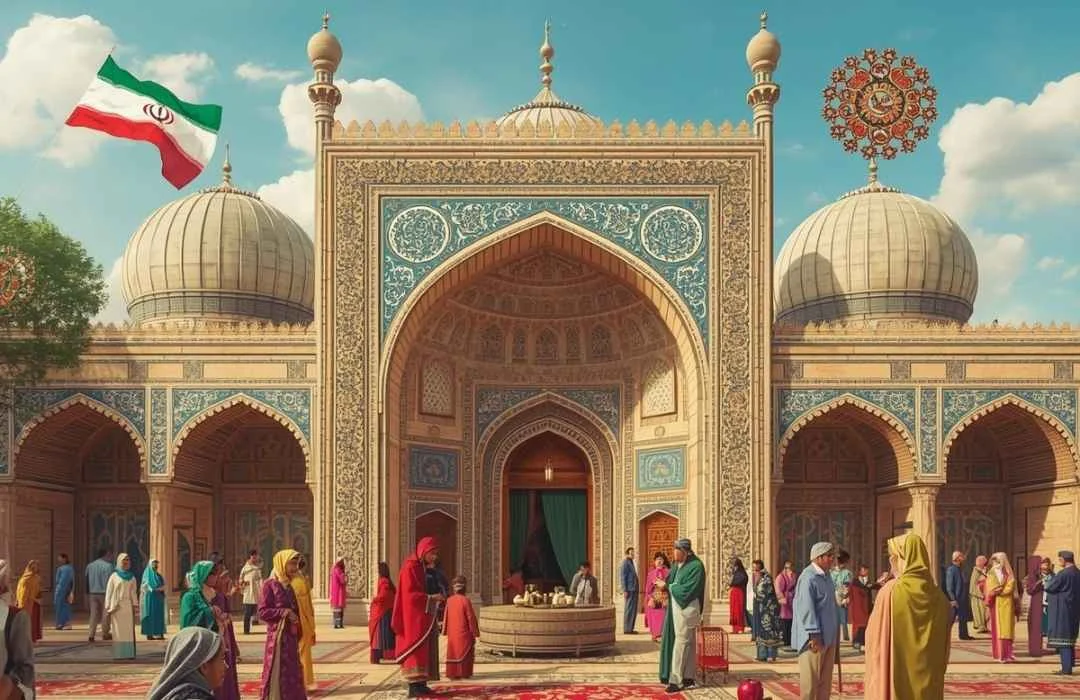
When people think of Iran culture, images of ancient empires, intricate Persian carpets, lyrical poetry, and magnificent domes above historic skylines often come to mind. Yet Iran’s cultural identity is far richer and more complex than any single symbol. It is a civilization shaped by thousands of years of philosophy, art, architecture, spirituality, scholarship, and refined social traditions that continue to influence daily life.
From the legacy of powerful Persian dynasties to the intellectual brilliance of classical poets, from the symbolism embedded in the Iranian flag to the timeless elegance of Persian architecture, Iran stands as one of the world’s oldest continuous cultural landscapes. Its cities, gardens, bazaars, and mosques reflect a deep aesthetic sensibility rooted in harmony, geometry, and meaning.
The story of Iran also includes influential royal figures such as Farah Diba and Soraya Esfandiari, whose lives shaped modern perceptions of Iranian royalty. Beyond the royal court, the role of women throughout history — including ancient Persian women who held social and economic influence — reveals a nuanced and often overlooked dimension of Iranian society.
Regional diversity further enriches the nation’s cultural mosaic. Cities like Rasht showcase distinct culinary traditions, architecture, and lifestyles influenced by geography and trade. Visual storytelling through Iran’s landscapes — from desert caravansaries to lush northern provinces — captures the country’s remarkable contrasts and beauty. Cultural intersections with neighboring traditions, including Afghan culture, also highlight centuries of shared language, art, and heritage across the region.
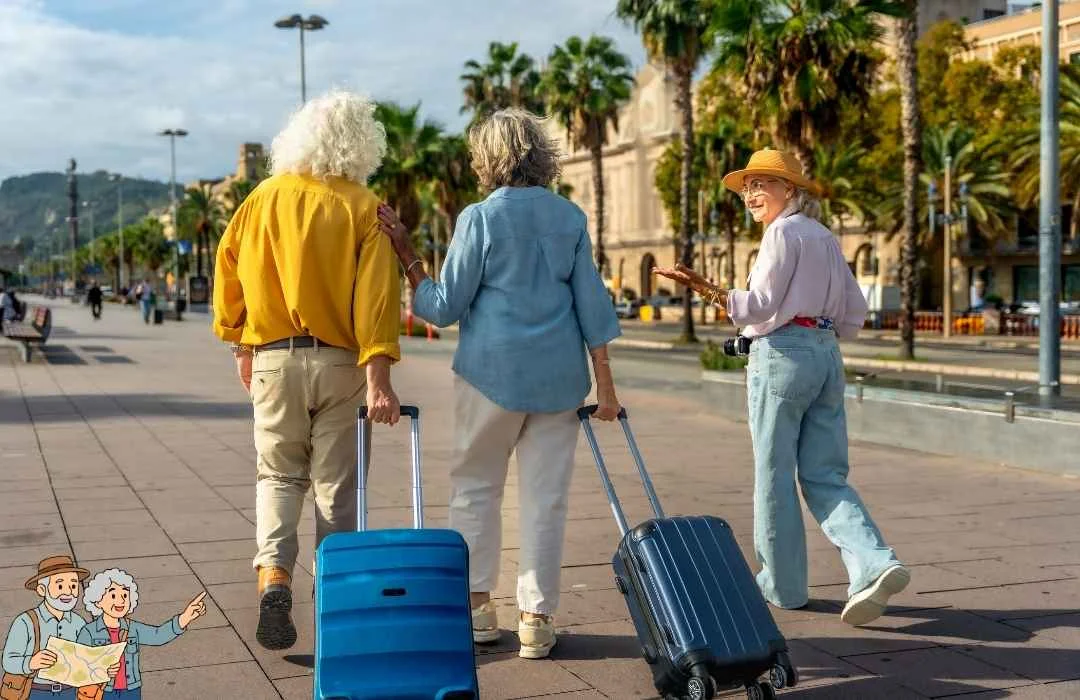
Beyond its historical depth, Iran is also a compelling destination for independent exploration. With strong hospitality traditions, affordable travel costs, and a well-connected network of cities, Iran can be a rewarding and meaningful choice for solo travelers seeking authentic cultural immersion, architectural wonders, and genuine human connection.
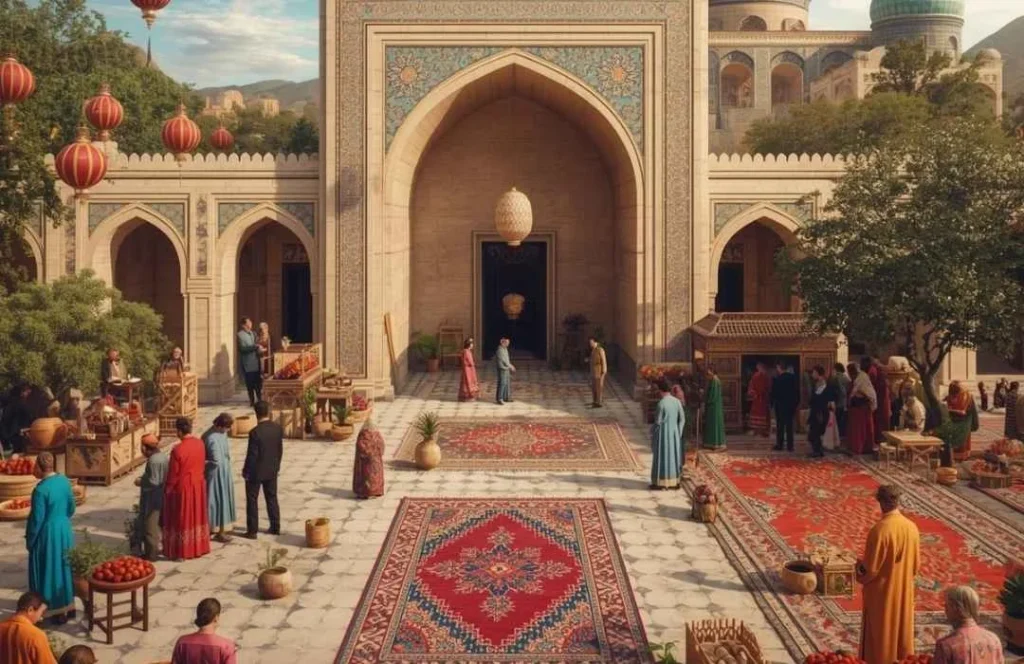
This is not a surface-level guide. It is a deep cultural exploration designed for travelers, history lovers, and readers seeking meaningful understanding.
Table of Contents
Complete Cultural guide for travelers and history lovers
1. The Foundations of Iran’s Culture
Iran’s cultural roots extend back over 7,000 years. Long before modern borders, the Persian Empire shaped governance, architecture, literature, and diplomacy across vast territories.
1.1 The Persian Identity
At the center of Iran’s Culture lies a strong Persian identity rooted in:
- Language (Farsi)
- Poetry and literature
- Family and hospitality
- Aesthetic refinement
- Respect for knowledge and history
Iranian culture is not static; it evolved through Zoroastrian heritage, Islamic influence, regional diversity, and global interaction.
Unlike many cultures shaped by abrupt historical breaks, Iran’s cultural development is continuous. Even modern Iranian life reflects ancient customs, especially in festivals, architecture, and etiquette.
2. Persian’s Architecture and Iranian’s Architecture: A Visual Language of Civilization
Architecture is one of the most powerful expressions of Iran’s Culture. The terms Persian’s Architecture and Iranian’s Architecture are often used interchangeably, but they represent both ancient and evolving traditions.
2.1 Characteristics of Persian’s Architecture
Persian’s Architecture is recognized globally for:
- Symmetry and geometric precision
- Monumental gateways (iwans)
- Large domes
- Courtyard-centered houses
- Decorative tilework
- Gardens designed as symbolic paradises
The ancient site of Persepolis demonstrates early imperial architecture with monumental stone platforms, relief carvings, and ceremonial staircases.
These structures were not just buildings; they communicated power, order, and cosmic harmony.
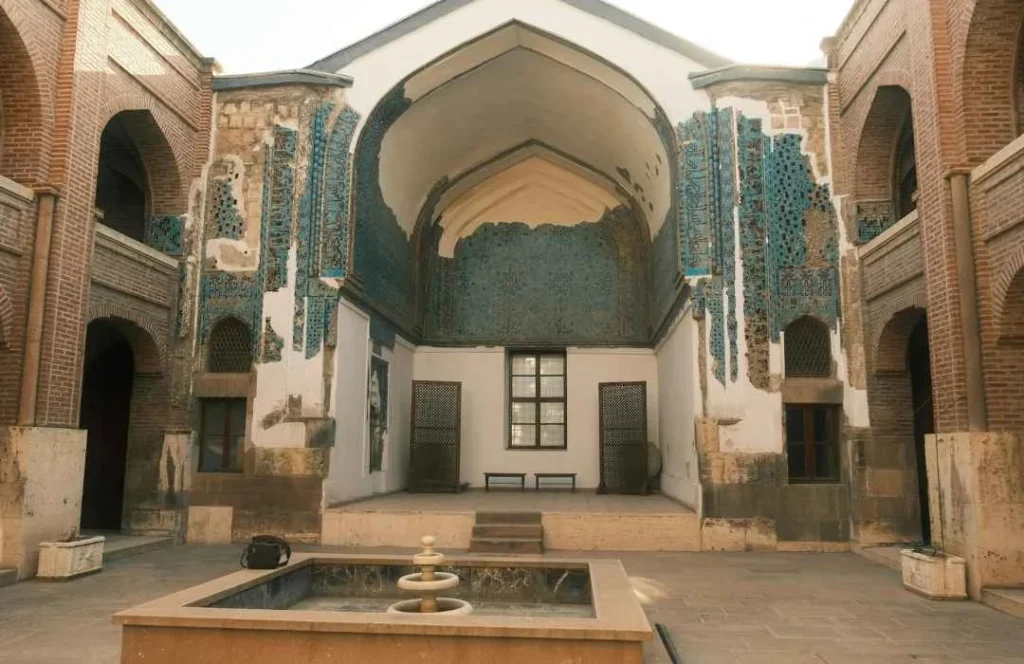
2.2 Iranian’s Architecture in the Islamic Era
With the arrival of Islam, Iranian’s Architecture incorporated:
- Muqarnas (ornamental vaulting)
- Intricate tile mosaics
- Calligraphy
- Spiritual symbolism
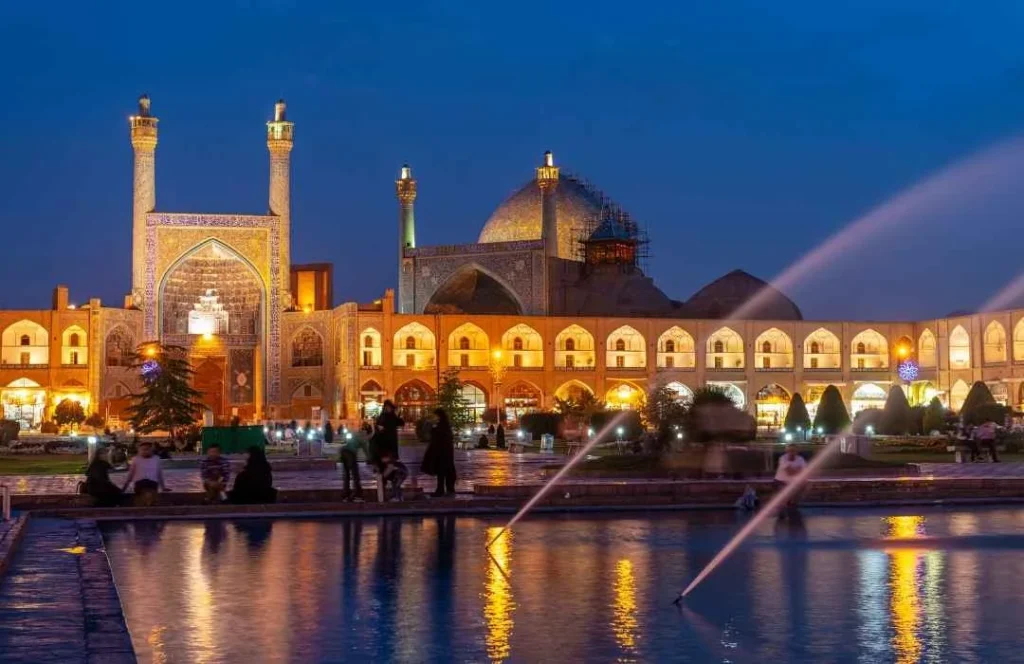
Cities like Isfahan became living museums of architecture, where mosques, bridges, and palaces reflect centuries of design evolution.
The blue domes, patterned courtyards, and delicate minarets are more than aesthetic elements. They symbolize unity, balance, and divine geometry.
Key Features of Persian and Iranian’s Architecture
| Feature | Ancient Persian’s Architecture | Later Iranian’s Architecture |
|---|---|---|
| Materials | Stone, mud brick | Brick, tile, plaster |
| Decoration | Relief carvings | Tilework, calligraphy |
| Layout | Grand platforms, columns | Courtyards, domes |
| Symbolism | Imperial power | Spiritual harmony |
| Famous Example | Persepolis | Isfahan mosques |
3. Iran Pictures: Visual Storytelling of a Civilization
When travelers search for “Iran Pictures,” they often expect desert landscapes and mosques. But visual culture in Iran extends beyond postcards.
Iran Pictures capture:
- Snow-capped mountains
- Lush northern forests
- Traditional bazaars
- Tea houses
- Urban modernity
- Village life
- Architectural masterpieces
Photography in Iran often focuses on contrasts: old and new, desert and forest, traditional clothing and contemporary fashion.
Iran’s visual culture reflects complexity rather than stereotypes.
4. The Iranian Flag: Symbolism and Identity
The Iranian Flag is more than a national symbol; it represents layers of historical transformation.
The current design features:
- Green (growth and hope)
- White (peace)
- Red (courage and sacrifice)
- The central emblem representing stylized calligraphy
The repeated script pattern along the borders reinforces spiritual identity.
Understanding the Iranian Flag helps contextualize how national identity is expressed through visual symbolism.
5. Farah Diba and Soraya Esfandiari: Royal Women and Cultural Influence
The modern image of Iran’s Culture in the 20th century was shaped not only by political transformation but also by powerful female figures within the royal court. Among them, Farah Diba and Soraya Esfandiari stand out as cultural symbols whose influence extended beyond ceremonial roles. They embodied elegance, modern identity, and a global-facing vision of Iranian heritage.
At a time when Iran was navigating modernization, these women became visible representatives of a nation attempting to balance ancient Persian roots with contemporary aspirations. Through fashion, diplomacy, art patronage, and public presence, they influenced how Iran was perceived both domestically and internationally.
5.1 Farah Diba: Patron of Arts, Architecture, and Cultural Modernization
Farah Diba’s role in shaping cultural policy during the 20th century was substantial. She actively supported:
- Preservation of historic Persian’s Architecture
- Expansion of museums and cultural institutions
- Promotion of modern art collections
- International cultural diplomacy
Her patronage contributed to the safeguarding of historical monuments, ensuring that Iranian’s Architecture from earlier centuries remained protected during rapid modernization.
She championed cultural institutions that preserved Iran Pictures of historical sites, artworks, and archaeological discoveries—helping present Iran as a civilization rooted in intellectual and artistic sophistication rather than merely political headlines.
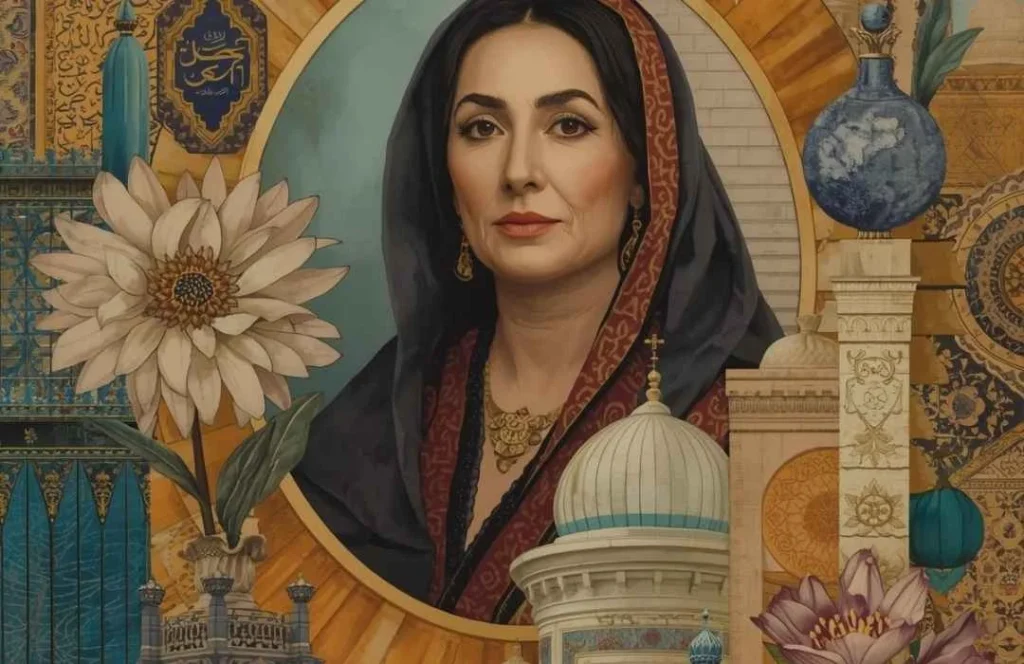
Farah Diba symbolized a bridge between ancient imperial memory and modern national identity. Under her influence, cultural exhibitions highlighted the legacy of Ancient Persian Women, celebrating their historical presence in administration, economics, and society.
Her legacy remains tied to the idea that modernization does not require abandoning cultural foundations. Instead, she promoted an Iran’s Culture that embraced contemporary art while honoring Persian’s Architecture and historical continuity.
5.2 Soraya Esfandiari: Elegance, Identity, and Global Recognition
Soraya Esfandiari represented another dimension of royal cultural influence. Known internationally for her elegance and refined presence, she became a symbol of Iranian sophistication during her brief tenure as queen.
Though her marriage was short-lived, Soraya Esfandiari played an important symbolic role in projecting Iran’s image globally. She represented a cosmopolitan yet distinctly Persian identity. Through her public appearances, she contributed to international awareness of Iran’s heritage, fashion aesthetics, and refined court culture.
Her image frequently appeared in global media, shaping how the world viewed Iran’s Culture during that era. While Farah Diba focused heavily on institutional patronage, Soraya Esfandiari’s influence operated more through symbolism and international fascination.
Together, these royal women shaped narratives around Iranian elegance, art, and diplomacy—expanding global curiosity about Persian’s Architecture, historical legacy, and national identity symbolized by the Iranian Flag.
6. Ancient Persian Women: Strength, Authority, and Social Agency
Long before modern royal figures influenced cultural narratives, Ancient Persian Women held meaningful roles within society. Contrary to simplified assumptions, archaeological records and historical documents reveal that women in ancient Persia possessed:
- Property ownership rights
- Economic participation
- Administrative authority
- Wage-earning positions
- Estate management responsibilities
These findings challenge narrow interpretations of historical gender roles and reveal a sophisticated social structure within early Iranian civilization.
Economic and Administrative Power
In certain periods of ancient Persia, women managed agricultural estates and oversaw labor forces. Clay tablets from the Achaemenid era indicate that women received wages comparable to male workers in some sectors. This demonstrates a complex economic system in which women actively contributed to state and local administration.
The participation of Ancient Persian Women in economic life laid foundations for enduring cultural values related to family leadership and household management—values that remain influential within Iran’s Culture today.
Cultural Transmission and Identity
Women historically played a central role in preserving language, culinary traditions, storytelling, and hospitality practices. Through oral transmission and domestic life, they sustained cultural continuity across centuries.
From weaving textiles to shaping food traditions—such as those seen in Rasht City—women became custodians of identity. Their influence extended into social etiquette and ritual practices that remain embedded in Iran’s Culture.
Even in visual representations found in Iran Pictures, historical relief carvings and artistic depictions show women participating in ceremonial and courtly life. These images reinforce that women were neither invisible nor marginal in ancient society.
Political and Symbolic Influence
While historical documentation varies across periods, evidence suggests that women from noble families exercised advisory roles and influenced political decisions indirectly. Their presence in royal and elite circles shaped dynastic continuity.
The legacy of Ancient Persian Women resonates symbolically in modern discussions of cultural identity. Figures like Farah Diba and Soraya Esfandiari are often viewed through this historical lens—continuations of a long tradition in which women serve as cultural ambassadors and guardians of heritage.
Continuity Between Ancient and Modern
The influence of Ancient Persian Women and modern royal figures reveals a striking continuity in Iran’s Culture. Across centuries, women have contributed to:
- Cultural preservation
- Artistic expression
- Social organization
- National representation
From ancient administrative records to modern museum patronage, the role of women in Iranian society has consistently shaped identity.
This continuity underscores a broader truth: Iran’s Culture is not static. It evolves while carrying historical memory forward. Whether through Persian’s Architecture, symbolic representation of the Iranian Flag, regional diversity like Rasht City, or shared cultural intersections with Afghan’s Culture, women have remained central to shaping the narrative of Iran.
Their legacy is woven into the social fabric—visible in art, history, diplomacy, and daily life.
7. Rasht City: Cultural Diversity in Northern Iran
Rasht City represents a vibrant and refreshing dimension of Iran’s Culture that many travelers do not expect. While central Iran is often associated with desert landscapes and monumental Persian’s Architecture, Rasht tells a different story—one of rain-soaked streets, emerald rice fields, wooden houses, and a culinary identity shaped by the Caspian Sea.
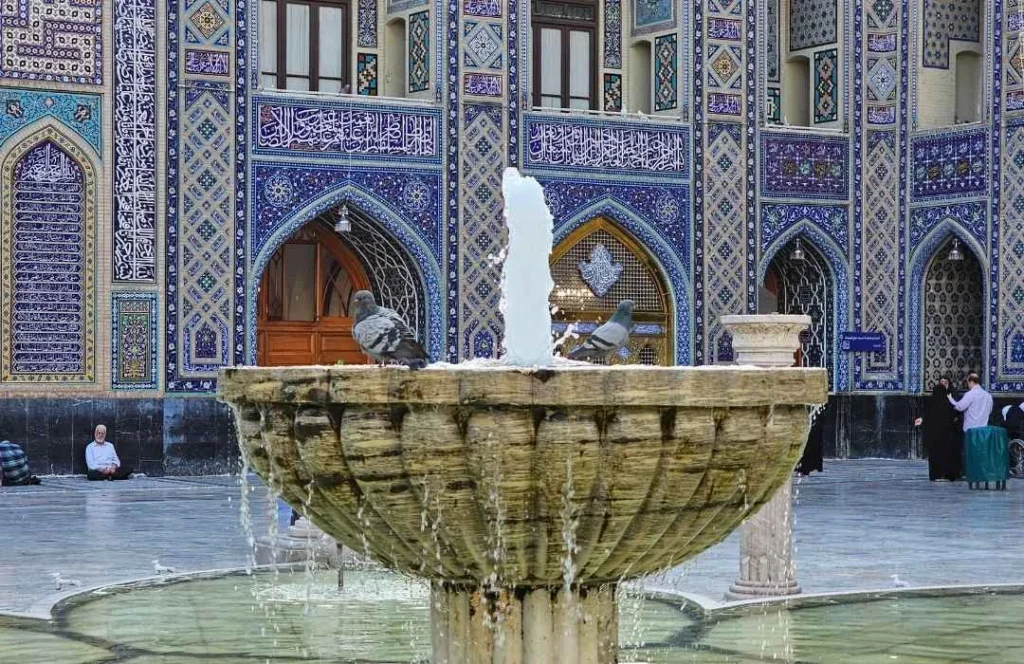
Located in northern Iran near the Caspian coastline, Rasht thrives in a subtropical climate that shapes its lifestyle and traditions. Unlike the symmetry and geometric order often seen in classical Iranian Architecture in cities like Isfahan, Rasht’s architectural style reflects environmental adaptation. Sloped roofs, wide verandas, and wooden structural elements are designed to withstand heavy rainfall. This is Iranian Architecture responding directly to nature.
Culinary Identity and Cultural Expression
Rasht City is widely regarded as one of Iran’s culinary capitals. The abundance of herbs, garlic, eggplants, fish, and rice creates dishes that are distinct from the saffron-dominant cuisine of central regions. Food in Rasht is not simply nourishment—it is cultural preservation. Recipes are passed down through generations, often maintained by women, echoing the historical influence of Ancient Persian Women in shaping domestic and social traditions.
This regional culinary richness reinforces a key idea: Iran’s Culture is not uniform. It is layered and regional. Rasht City proves that cultural identity in Iran cannot be reduced to a single aesthetic or stereotype.
Rasht in Iran Pictures
When you browse Iran Pictures online, the lush scenery of Rasht often surprises viewers. Instead of desert forts and tiled domes, you see green landscapes, misty mornings, vibrant markets, and colorful produce stalls. These images reshape the global visual narrative of Iran’s Culture.
Rasht’s local dialect and customs further emphasize cultural plurality. While Persian (Farsi) is the national language, regional expressions and accents highlight how Iran has absorbed diverse influences while preserving a unified identity symbolized by the Iranian Flag.
8. Afghan’s Culture and Cultural Intersections
To understand Iran’s Culture fully, one must also recognize its historical and linguistic connections with Afghan Culture. The relationship between Iran and Afghanistan is not merely geographical—it is deeply civilizational.
Language and Literary Heritage
Dari, spoken in Afghanistan, and Farsi, spoken in Iran, share strong linguistic roots. This shared language has produced some of the world’s most celebrated poetry and philosophical works. Cultural exchanges over centuries allowed literature, architecture, and scholarship to flow between the two regions.
The Persian cultural sphere historically extended beyond modern borders. Therefore, Afghan’s Culture and Iran’s Culture intersect through:
- Shared poetic traditions
- Similar architectural aesthetics
- Overlapping artistic symbolism
- Historical empires rooted in Persian governance
Architectural Influence
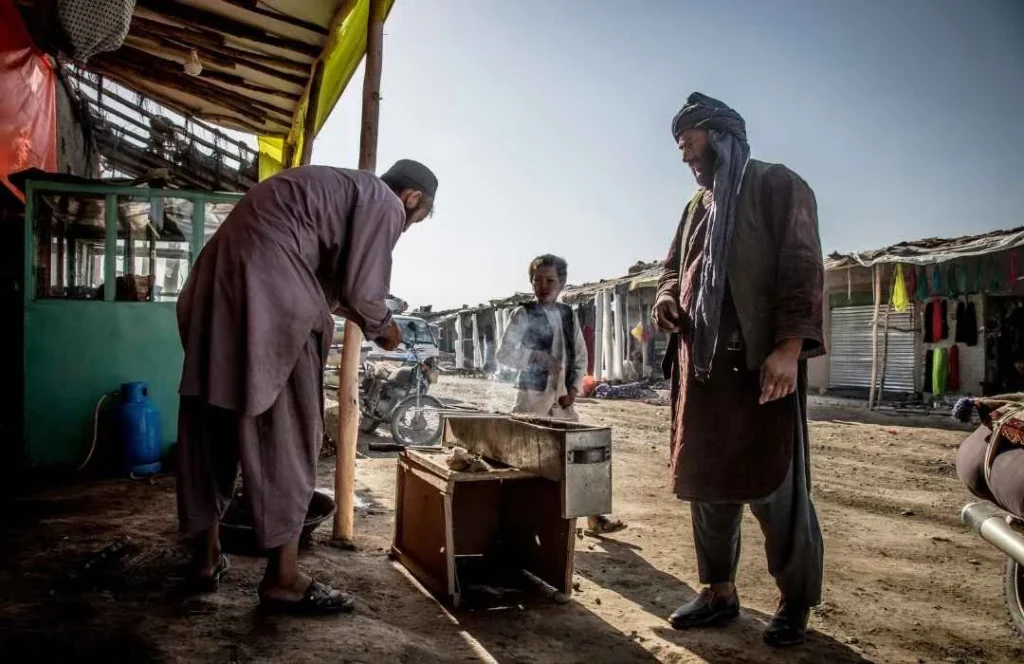
Elements of Persian’s Architecture—such as courtyard layouts, domes, and decorative tilework—also influenced Afghan building traditions. Iranian Architecture evolved across regions, and these cross-border influences demonstrate cultural continuity rather than division.
Shared Historical Memory
Both nations draw upon ancient Persian heritage, shaping collective memory and identity. Yet it is important to respect their distinct modern national identities, symbolized for Iran by the Iranian Flag and for Afghanistan by its own evolving national emblem.
The intersection between Afghan’s Culture and Iran’s Culture highlights regional interconnectedness, proving that culture transcends political boundaries.
9. Major Cultural Cities of Iran
Iran’s cultural identity unfolds differently in each city. From modern urban centers to poetic landscapes and desert settlements, every region expresses a unique dimension of Iran’s Culture.
9.1 Tehran
Tehran stands at the crossroads of tradition and modernity. As Iran’s capital, it reflects contemporary life while housing museums and institutions that preserve Persian heritage.
Under the patronage of figures like Farah Diba, Tehran experienced a cultural revival in the 20th century. She actively promoted art, museums, and preservation initiatives that strengthened Iran’s global cultural image. Her vision elevated Iranian’s Architecture and modern artistic expression, bridging ancient and contemporary aesthetics.
Tehran’s skyline now features glass towers alongside historic palaces—evidence that Iranian’s Architecture continues to evolve rather than remain frozen in time.
9.2 Shiraz
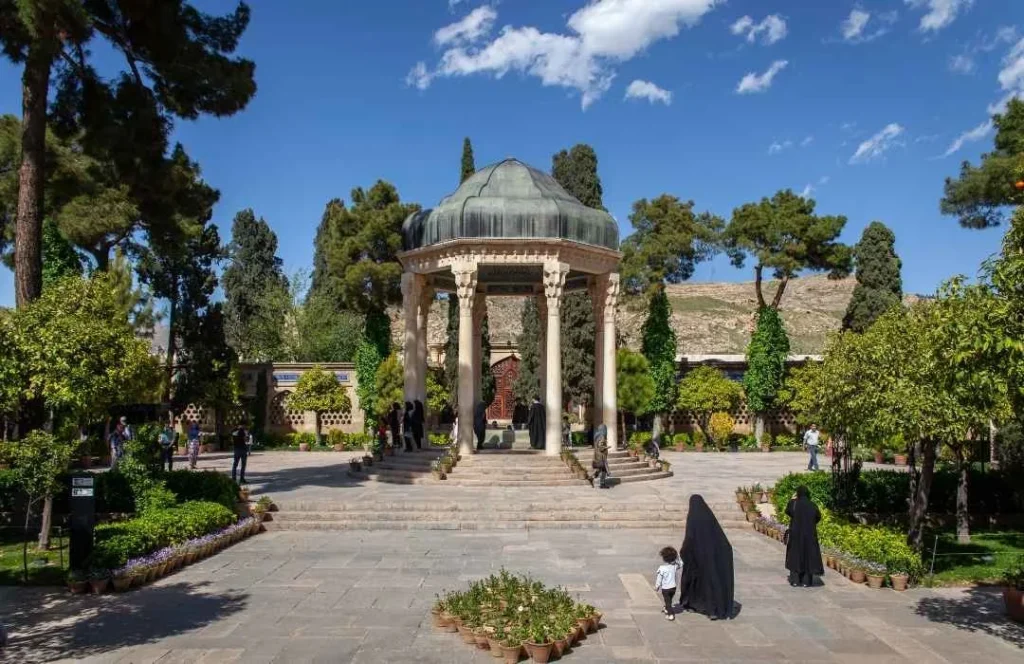
Shiraz is synonymous with poetry, gardens, and spiritual depth. It is also the gateway to Persepolis, one of the most iconic examples of Persian’s Architecture.
Shiraz’s gardens reflect classical Persian concepts of paradise—symmetry, flowing water, shade, and harmony with nature. These principles later influenced global garden design traditions.
The city’s cultural atmosphere celebrates literature and art, reminding visitors that Iran’s Culture values intellectual refinement as much as monumental architecture.
9.3 Yazd
Yazd presents a striking desert adaptation of Iranian’s Architecture. Windcatcher towers (badgirs) demonstrate advanced environmental engineering developed centuries ago.
Yazd’s earthen structures show how Persian’s Architecture adapts to climate. The city embodies sustainable design long before the concept became modern.
Walking through Yazd is like stepping into living history—proof that architecture is one of the strongest expressions of Iran’s Culture.
9.4 Isfahan
Often called the jewel of Iranian’s Architecture, Isfahan represents the height of Safavid-era artistic achievement. Its grand squares, domes, and intricate tilework symbolize spiritual geometry and aesthetic balance.
The city demonstrates how Persian’s Architecture merges engineering, art, and philosophy into cohesive urban planning.
Cultural Highlights by Region
| City | Cultural Identity | Architectural Style | Unique Experience |
|---|---|---|---|
| Tehran | Modern + Traditional | Contemporary + Historic | Museums & Art Institutions |
| Isfahan | Architectural Jewel | Safavid Domes | Monumental Squares |
| Shiraz | Poetry & Gardens | Classical Persian | Proximity to Persepolis |
| Rasht City | Culinary & Green Landscapes | Regional Northern Style | Distinct Cuisine |
10. Iranian Hospitality and Social Etiquette
Hospitality forms the emotional core of Iran’s Culture. Guests are treated with warmth, generosity, and respect. Offering tea is not merely a gesture—it is a ritual of welcome.
Politeness rituals, including indirect communication customs, reflect cultural sophistication. Social interaction often involves refined courtesy that may seem formal to outsiders but reflects deep-rooted respect.
Historically, Ancient Persian Women played crucial roles in maintaining household traditions and hospitality practices. Their influence shaped domestic culture and social continuity.
Iranian hospitality also reinforces national identity. Beneath the Iranian Flag, unity is built through shared customs of generosity and respect.
11. Festivals and Celebrations
Iranian festivals celebrate seasonal cycles, renewal, and spiritual reflection. These gatherings emphasize:
- Family unity
- Nature appreciation
- Community participation
- Cultural continuity
Festivals often feature symbolic decorations, traditional foods, and artistic expression. They preserve connections between ancient traditions and modern identity.
Through festivals, Iran’s Culture demonstrates resilience and continuity across centuries.
12. Culinary Culture: A Geography of Flavor
Iranian cuisine reflects climate diversity—from the humid north of Rasht City to the arid landscapes of Yazd.
Key elements include:
- Rice as a staple foundation
- Fresh herbs
- Saffron
- Slow-cooked stews
- Regional spice combinations
Northern cuisine highlights garlic, fish, and herbs, while central regions emphasize saffron-infused rice and rich stews.
Food in Iran is storytelling. Each dish carries historical memory and environmental adaptation.
Core Elements of Iran’s Culture
| Cultural Element | Expression |
|---|---|
| Architecture | Domes, gardens, symmetry |
| Royal Legacy | Farah Diba, Soraya Esfandiari |
| Women’s Role | Ancient Persian Women |
| National Identity | Iranian Flag |
| Regional Diversity | Rasht City |
| Visual Culture | Iran Pictures |
13. The Global Perception of Iran’s Culture
International media often simplifies Iran into political narratives. However, deeper exploration reveals:
- Intellectual depth
- Artistic mastery
- Architectural innovation
- Cultural resilience
Figures like Soraya Esfandiari and Farah Diba once symbolized Iran’s global cultural presence. Their influence extended beyond royal titles into art patronage and international diplomacy.
Iran Pictures shared globally—whether of domed mosques, desert cities, or northern forests—help challenge narrow perceptions.
Iran Culture cannot be reduced to one image or ideology. It is a mosaic of regions, eras, and influences.
14. Travel Perspective: Experiencing Iran’s Culture
For cultural travelers, Iran offers immersion rather than spectacle. Visitors encounter:
- Monumental Persian’s Architecture
- Evolving Iranian’s Architecture
- Living traditions shaped by Ancient Persian Women
- Regional diversity in Rasht City
- Shared heritage linked with Afghan’s Culture
Every interaction—tea shared under the Iranian Flag, a photograph captured in bustling markets, a conversation about poetry—adds dimension to the journey.
Travel in Iran is about understanding continuity and complexity.
15. The Evolution of Iranian’s Architecture in Modern Times
Architects incorporate motifs from Persian’s Architecture—arches, courtyards, symmetry—into modern designs. This fusion shows that Iran Culture is dynamic.
Modern Iranian’s Architecture blends traditional geometry with contemporary materials. Glass façades now stand near centuries-old domes, reflecting adaptation rather than erasure.
Even in urban Tehran, historical influences remain visible. The legacy of cultural patrons like Farah Diba contributed to preserving heritage while embracing modern artistic expression.
The evolution of Iranian’s Architecture demonstrates a civilization negotiating modernity without abandoning identity.
16. Conclusion: A Living Civilization
Iran Culture is not frozen in history. It is living, breathing, evolving.
From Persian’s Architecture to the Iranian Flag, from Farah Diba to Ancient Persian Women, from Rasht City to shared ties with Afghan Culture, Iran represents one of the richest cultural tapestries in the world.
To understand Iran is to understand continuity — a civilization that remembers its past while negotiating its present.
Are you looking for more cultural information and hidden treasures?
Don’t miss our complete guide : Discover Unforgettable Cultural Experiences in NYC
Want to Share Your Experience?
Have you traveled using one of our guides or found inspiration here?
👉 Share your experience in the comments or send us your story
Your insights help other travelers plan more thoughtful, rewarding journeys.
Latest Reviews
There are no reviews yet. Be the first one to write one.